
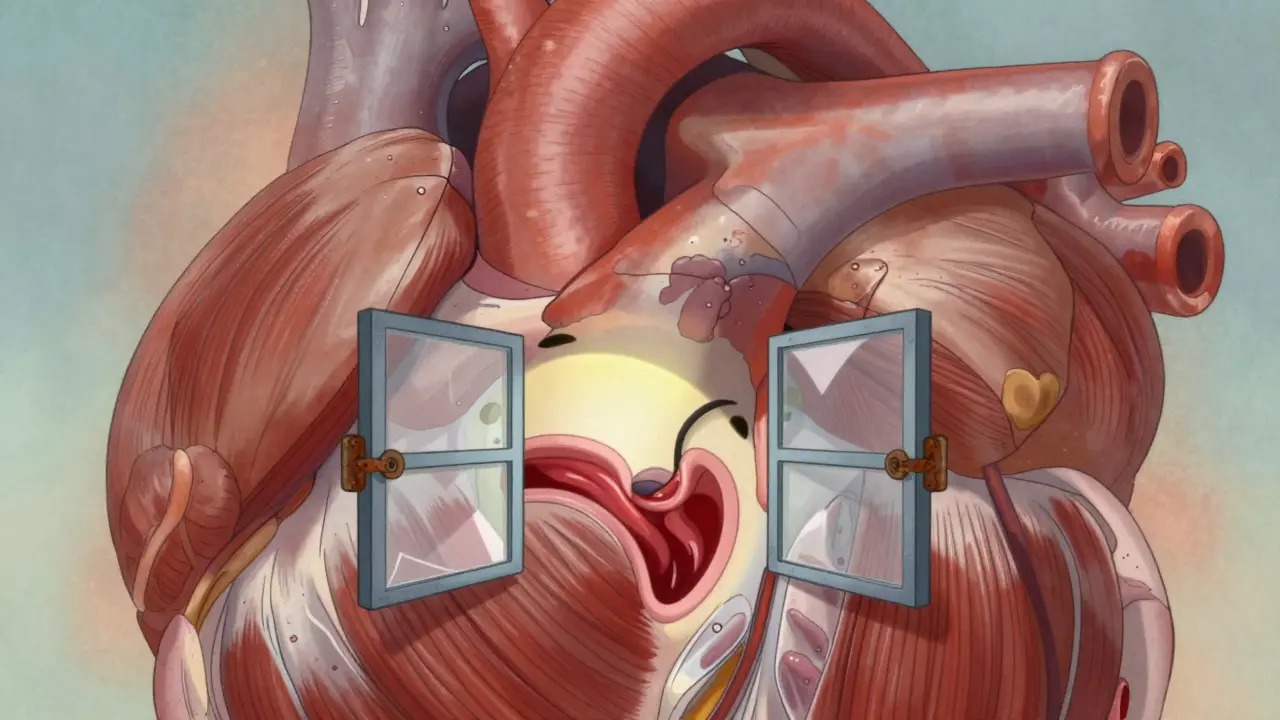
Heart valve diseases like stenosis and regurgitation can severely impact quality of life. Learn how modern treatments like TAVR and MitraClip restore function, improve survival, and help patients return to daily activities.
Read More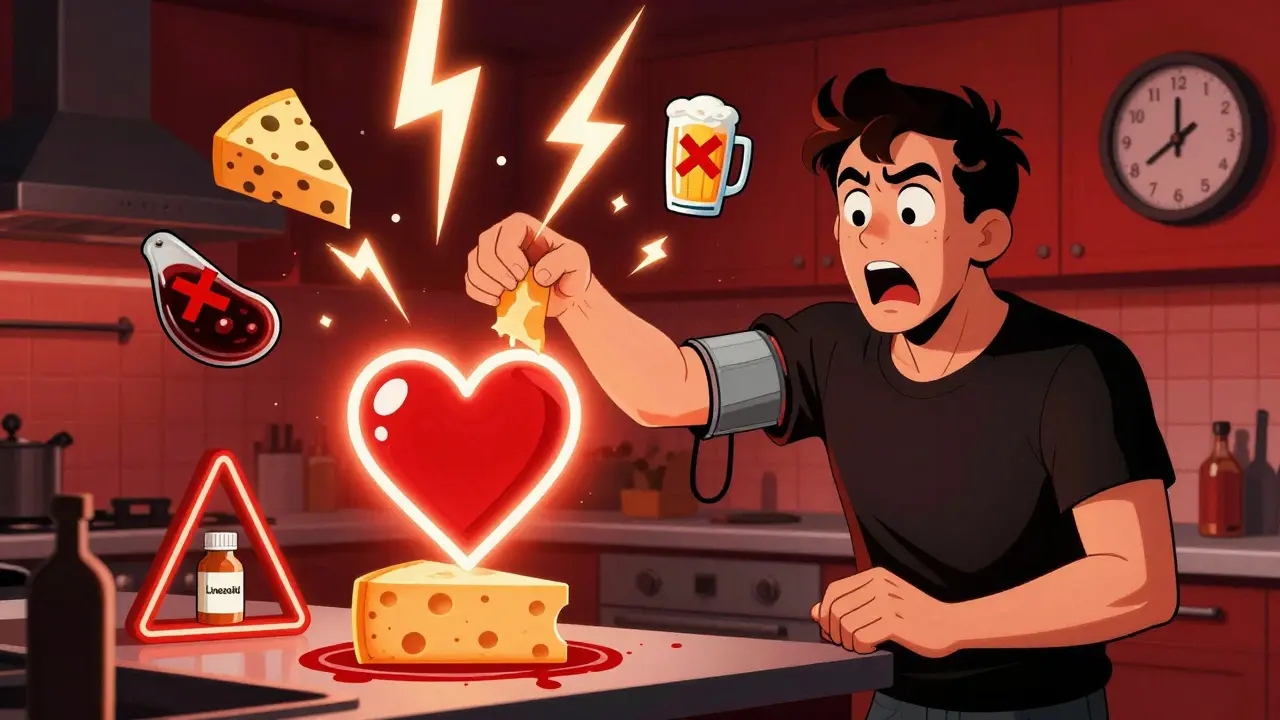
Linezolid can cause dangerous blood pressure spikes when combined with tyramine-rich foods like aged cheese, red wine, or cured meats. Learn exactly what to avoid, how long to avoid it, and what to do if you accidentally eat something risky.
Read More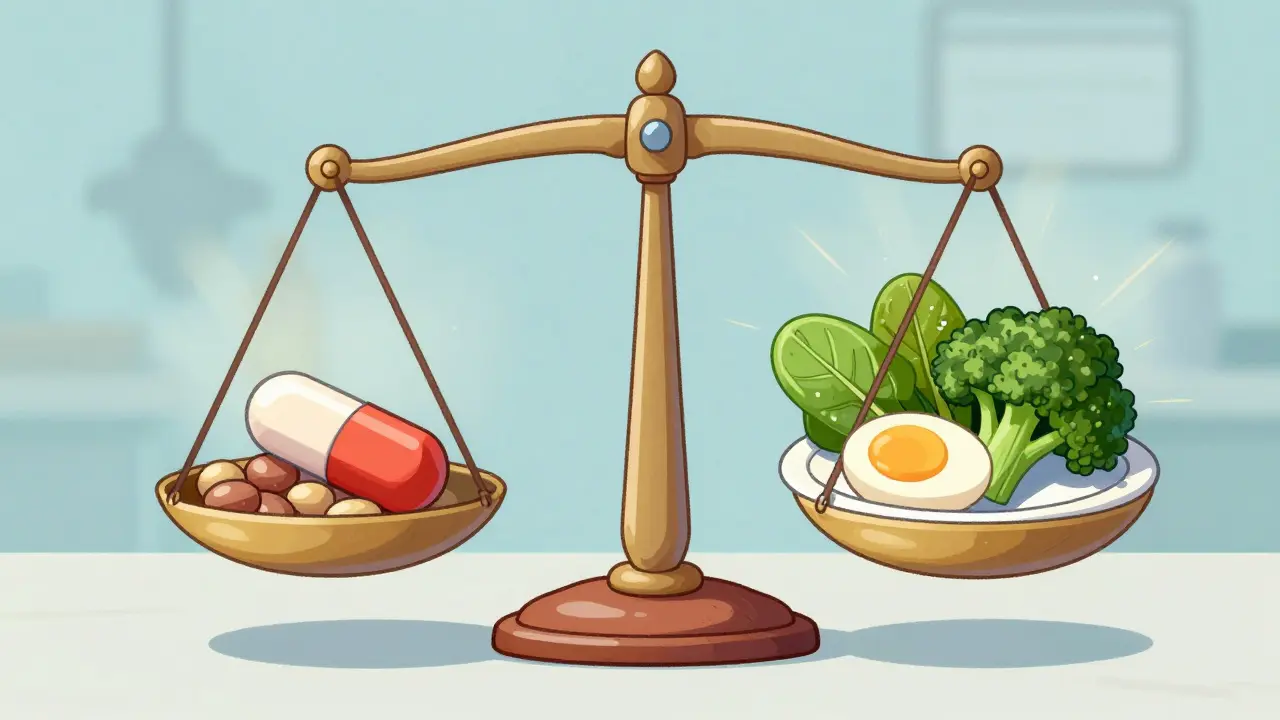
Learn how to manage vitamin K intake while on warfarin to keep your INR stable. Discover what foods to eat, what to avoid, and how consistency beats restriction for safer blood thinning.
Read More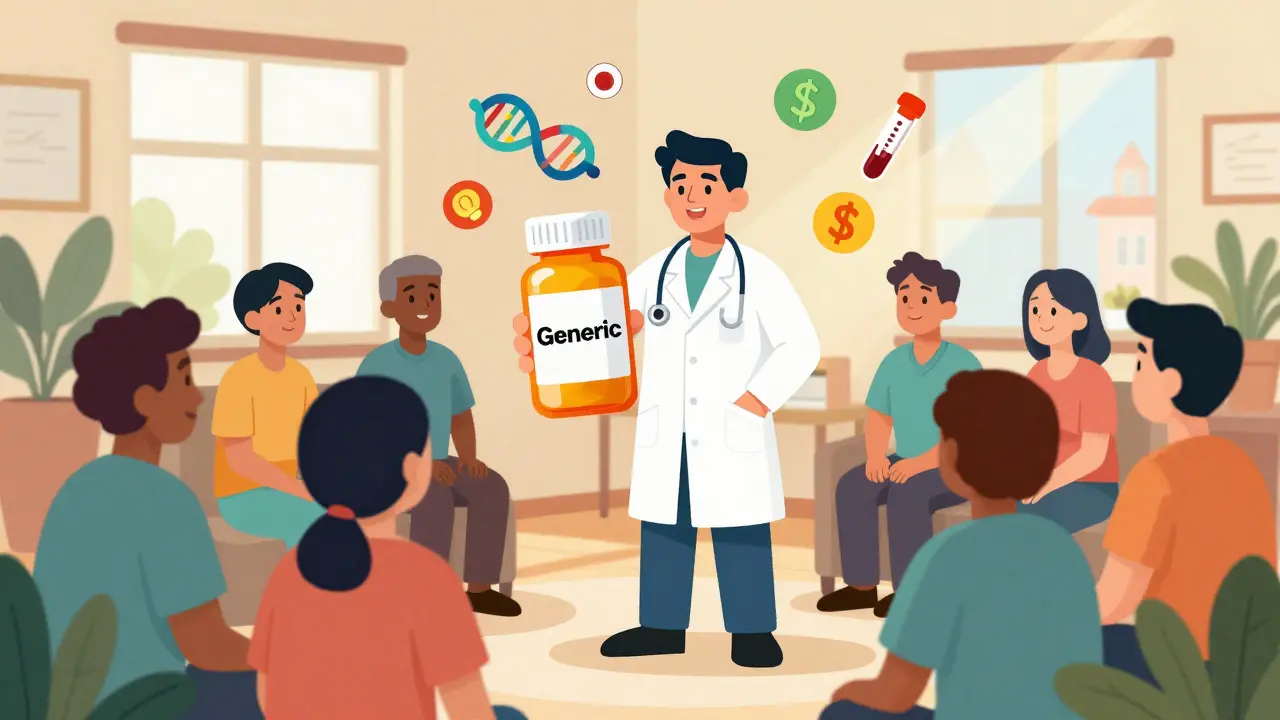
Community health presentations are helping patients understand that generic drugs are just as safe and effective as brand-name ones-saving billions and improving adherence. Learn the facts, bust the myths, and find out how to use generics confidently.
Read More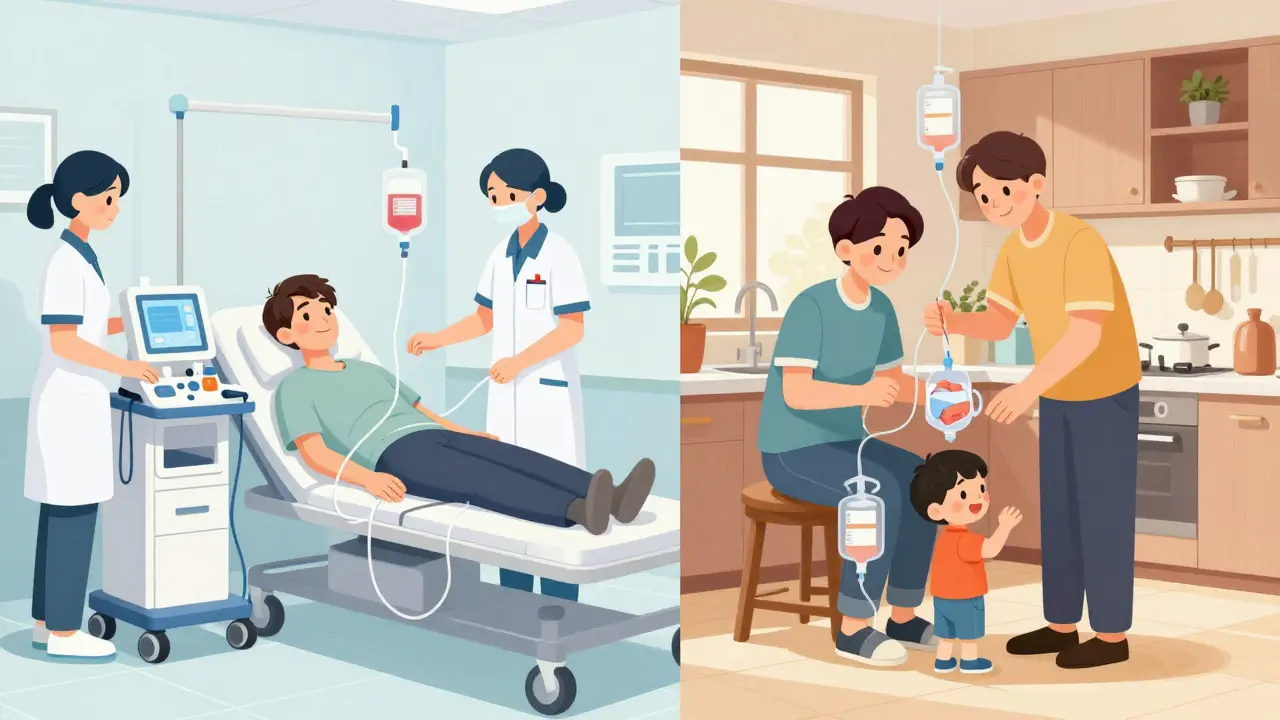
Hemodialysis and peritoneal dialysis both treat kidney failure, but they work differently. One uses a machine in a clinic; the other uses your abdomen at home. Learn which is better for your lifestyle, health, and long-term goals.
Read More
Learn how to properly prepare for antibiotic allergy testing, especially for penicillin, to confirm if you're truly allergic. Discover what the tests involve, what to avoid before testing, and how results can save you money and improve your care.
Read More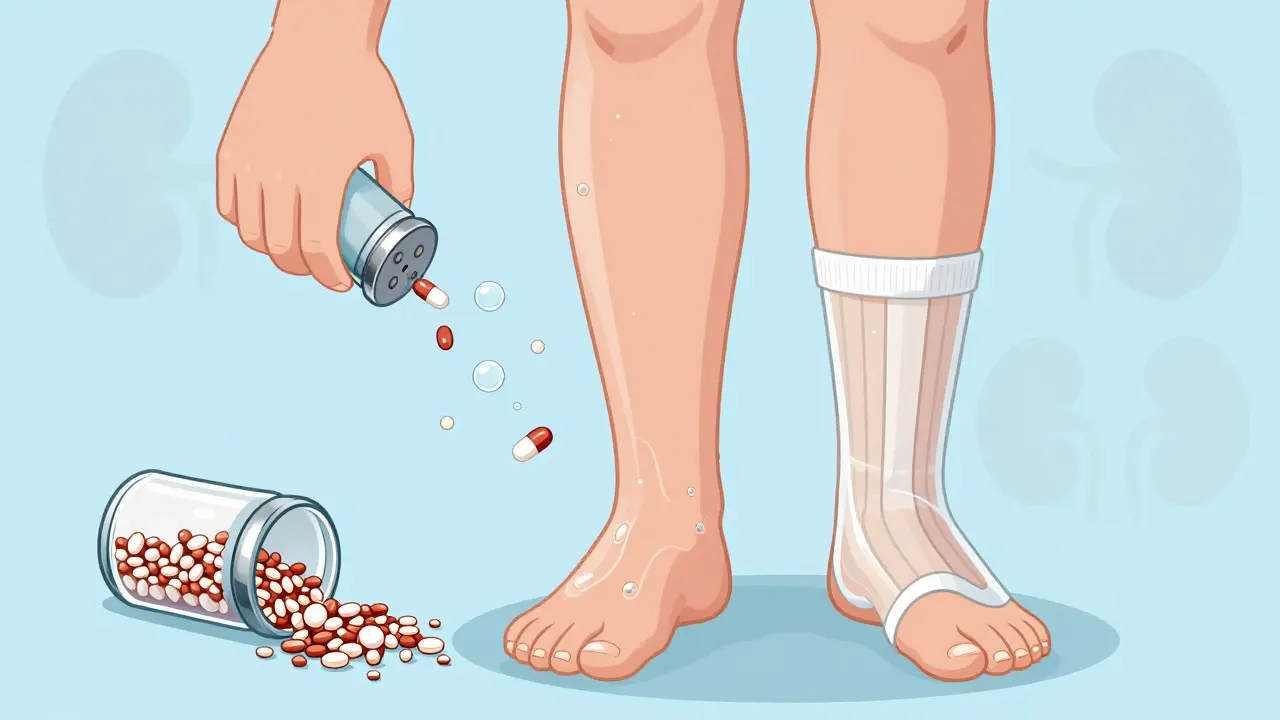
Edema in chronic kidney disease is caused by fluid buildup from poor kidney function. Managing it requires a three-part approach: diuretics to remove fluid, strict salt restriction to prevent buildup, and compression therapy to reduce swelling in the legs. Together, they improve quality of life and reduce hospital risk.
Read More
Learn how to protect your health data when using online pharmacies in 2026. Discover trusted verification signs, red flags of fake sites, and steps to take if your data is compromised.
Read More
Medication errors harm over 1.5 million Americans each year. Learn the most dangerous drugs, how mistakes happen at home, and 5 simple steps you can take right now to protect yourself from preventable harm.
Read More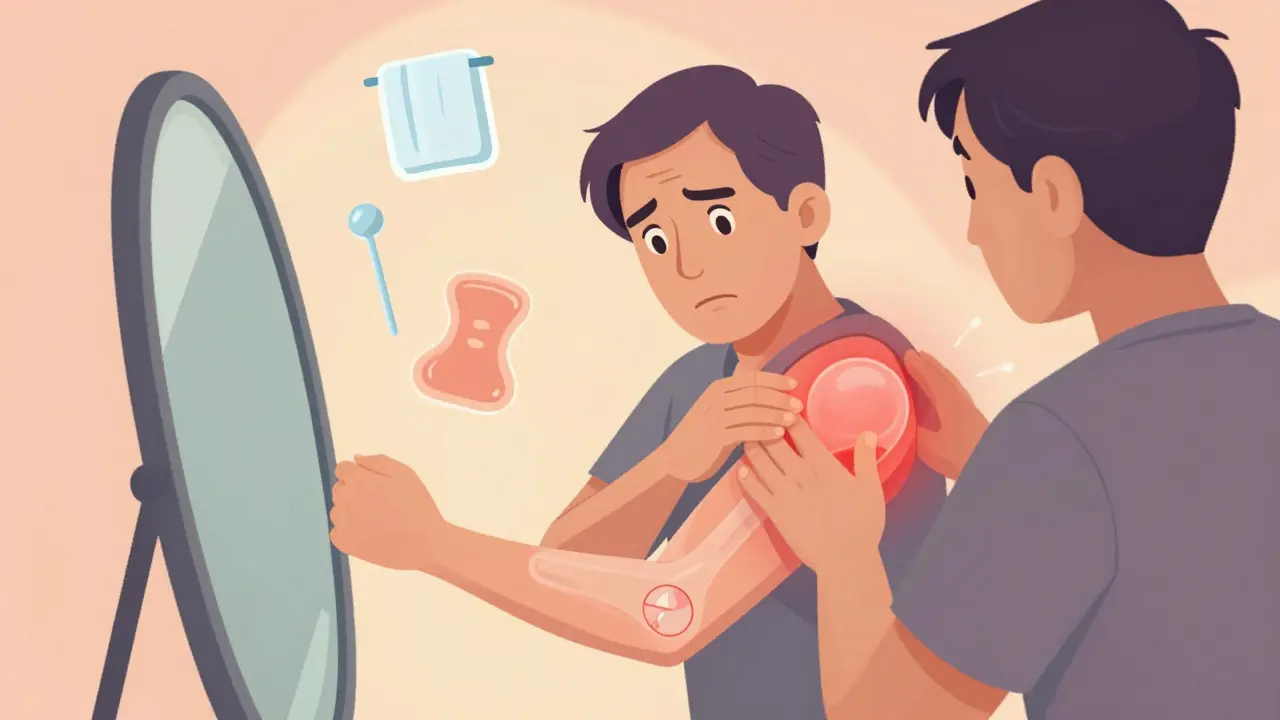
Frozen shoulder, or adhesive capsulitis, causes painful stiffness that can last years - but early, gentle mobilization can cut recovery time in half. Learn the stages, safe exercises, and what actually works.
Read More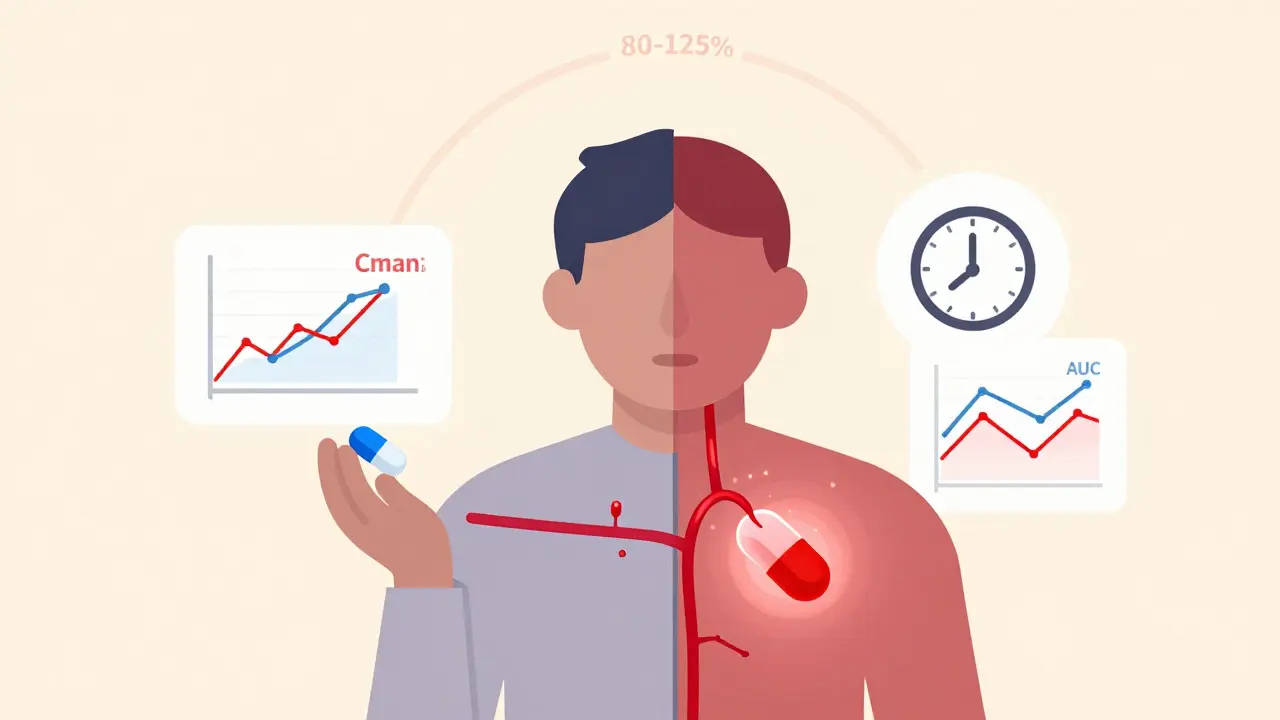
Crossover trial design is the gold standard for bioequivalence studies, allowing each participant to serve as their own control. Learn how 2x2 and replicate designs work, why washout periods matter, and how regulators determine if generic drugs are truly equivalent.
Read More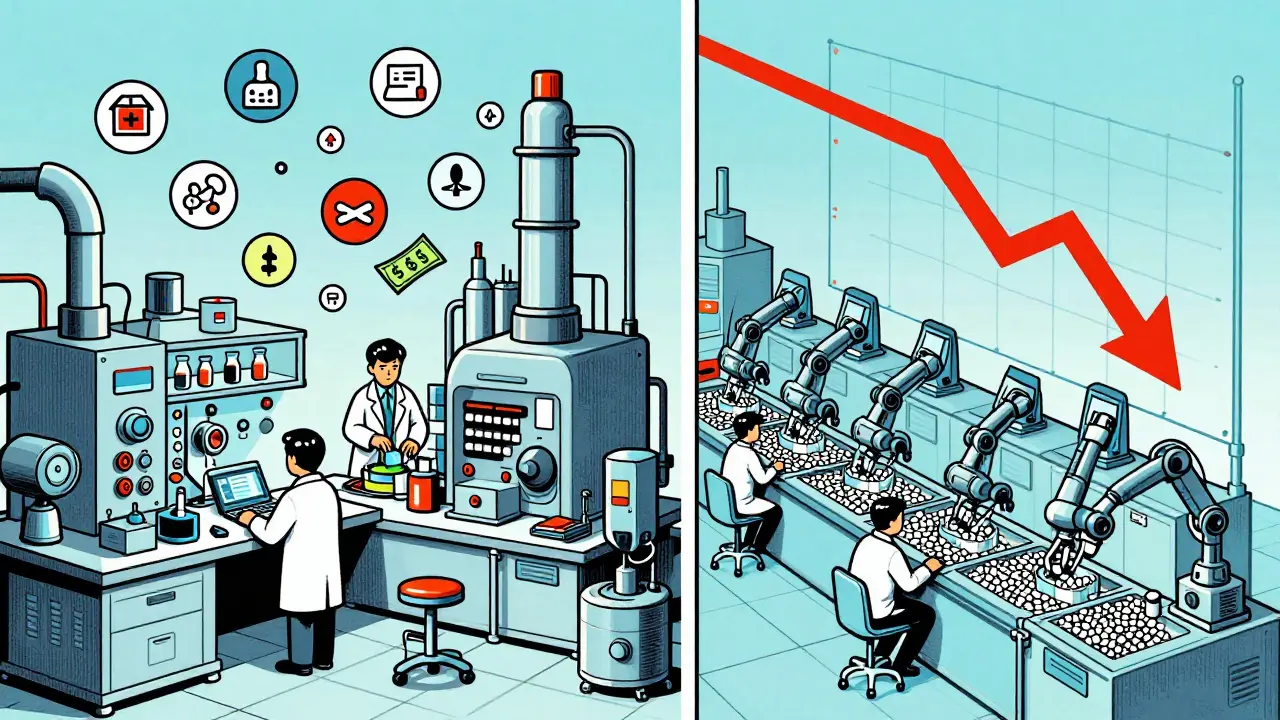
Generic drugs cost far less than brand-name versions, but the labor behind them is more efficient, not cheaper. Learn how volume, regulation, and global supply chains shape the real cost difference.
Read More