
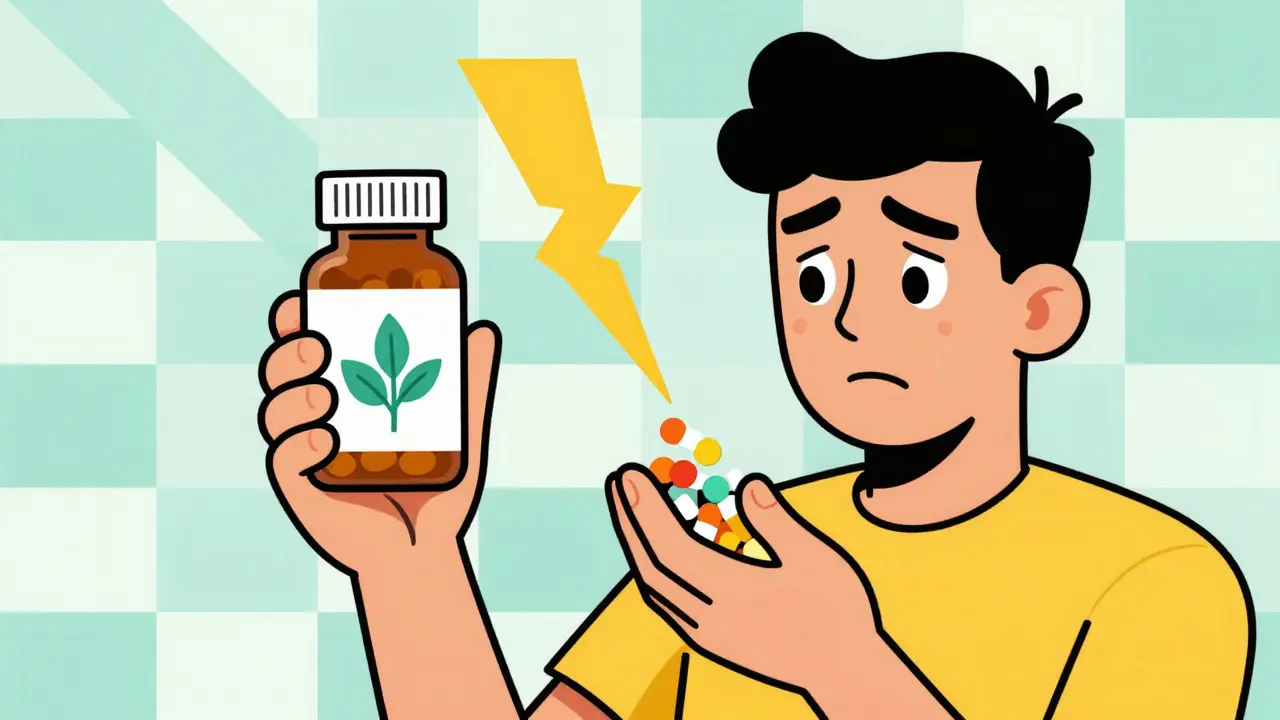
Discover the hidden dangers of mixing herbal supplements with prescription drugs. Learn how enzymes like CYP3A4 drive interactions, which herbs like St. John's Wort are highest risk, and practical steps to ensure your medication safety.
Read More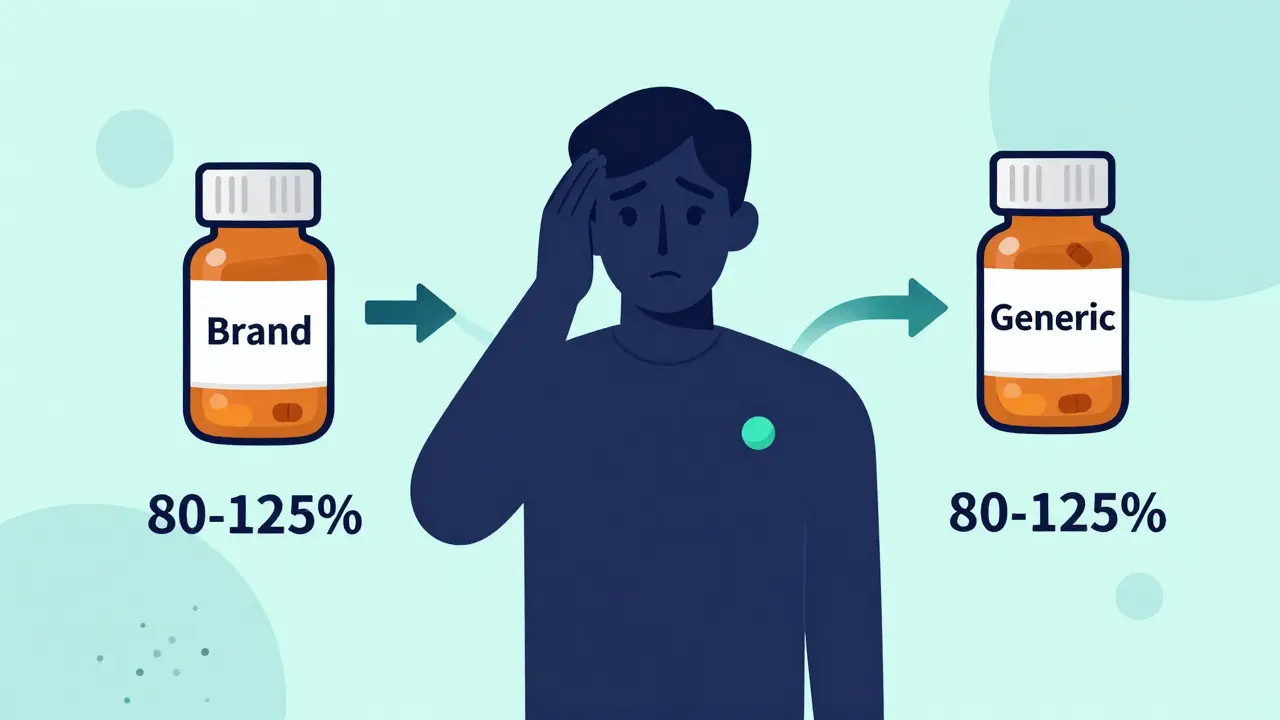
Explore why some patients react differently to generic drugs. Learn about bioequivalence limits, narrow therapeutic index risks, and how inactive ingredients affect safety.
Read More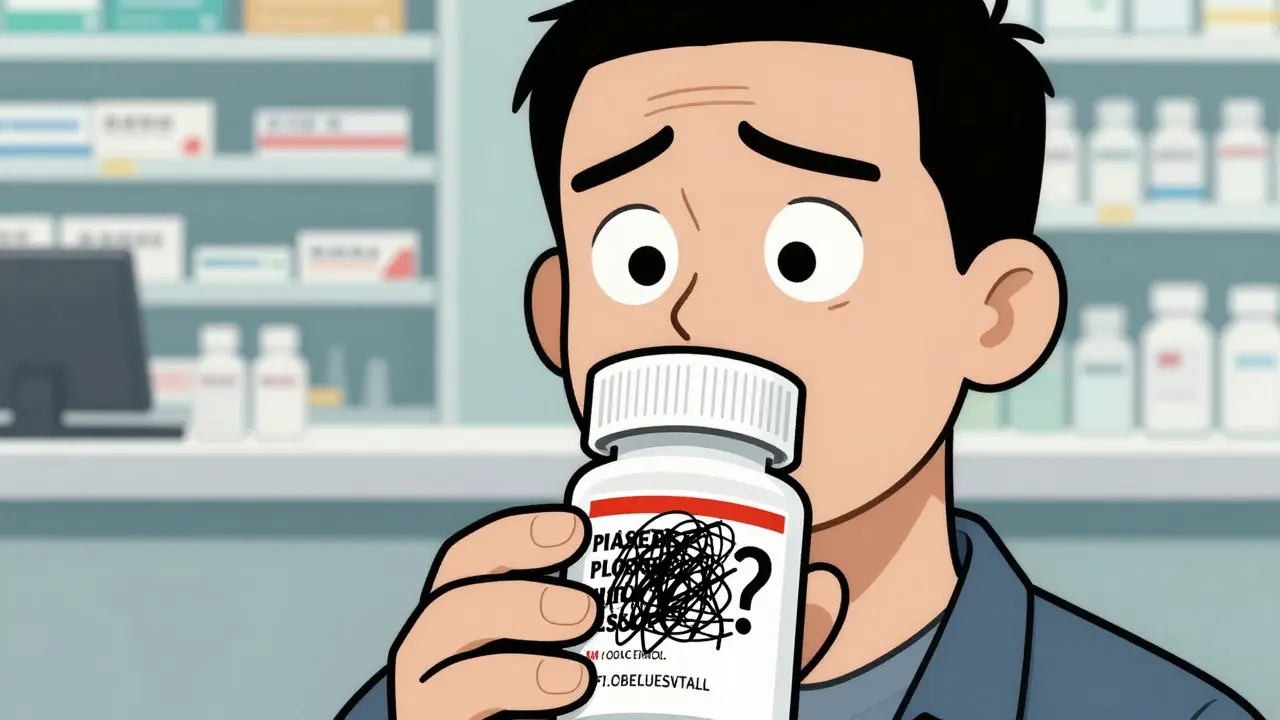
Learn how to overcome language barriers in medication safety. Discover your rights to free interpreters, why family translation is risky, and practical tips for safe pharmacy interactions.
Read More
Learn how to use drug interaction checker tools effectively to avoid adverse drug events. Compare top tools like Lexi-Interact and Drugs.com, understand limitations, and follow expert steps for medication safety.
Read More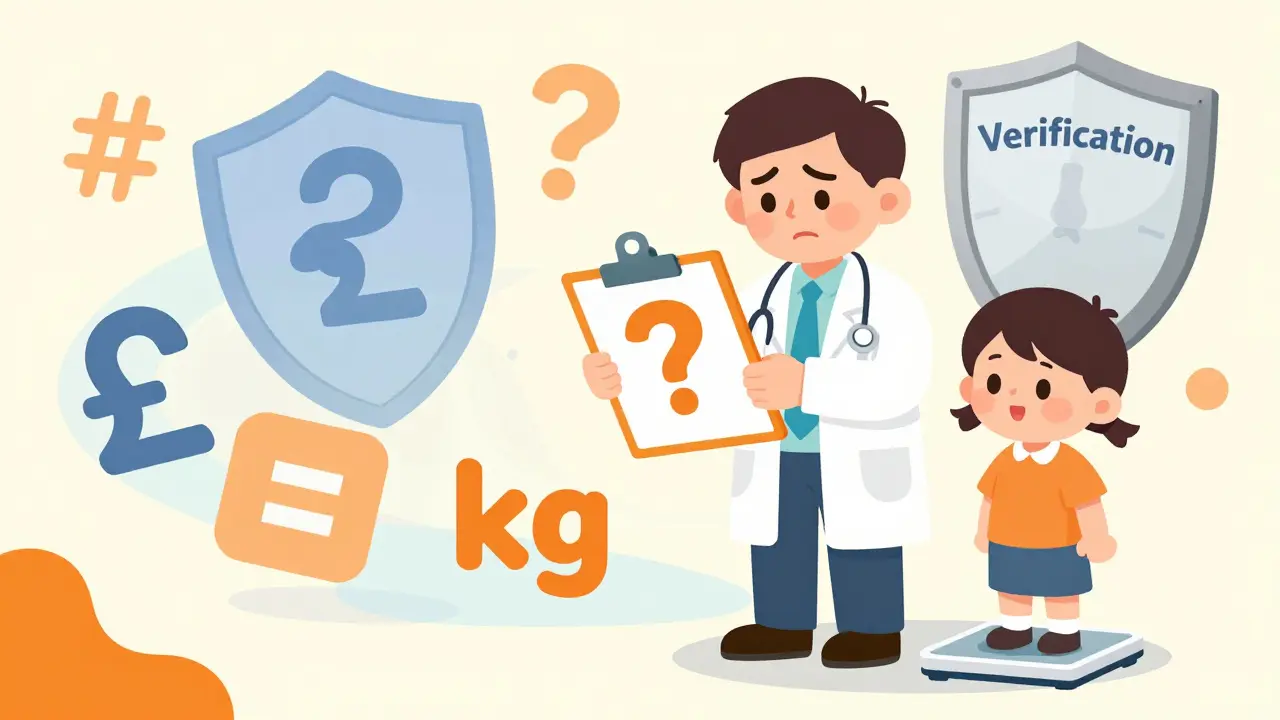
Learn how weight-based verification systems prevent dangerous pediatric dispensing errors. Explore EHR integration, kg-only standards, and expert strategies to improve medication safety for children.
Read More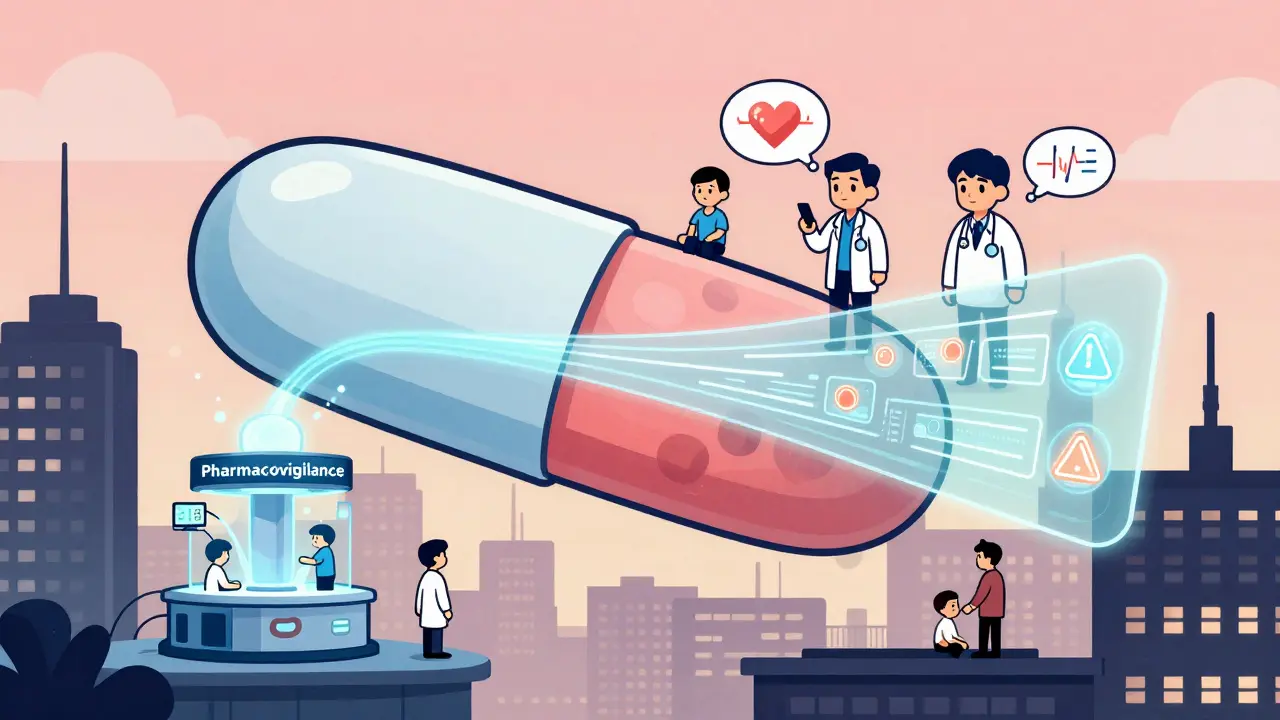
Post-marketing pharmacovigilance catches dangerous side effects that clinical trials miss. Using real-world data from millions of patients, systems like the FDA’s Sentinel and the UK’s Yellow Card Scheme find hidden risks - saving lives and shaping safer drugs.
Read More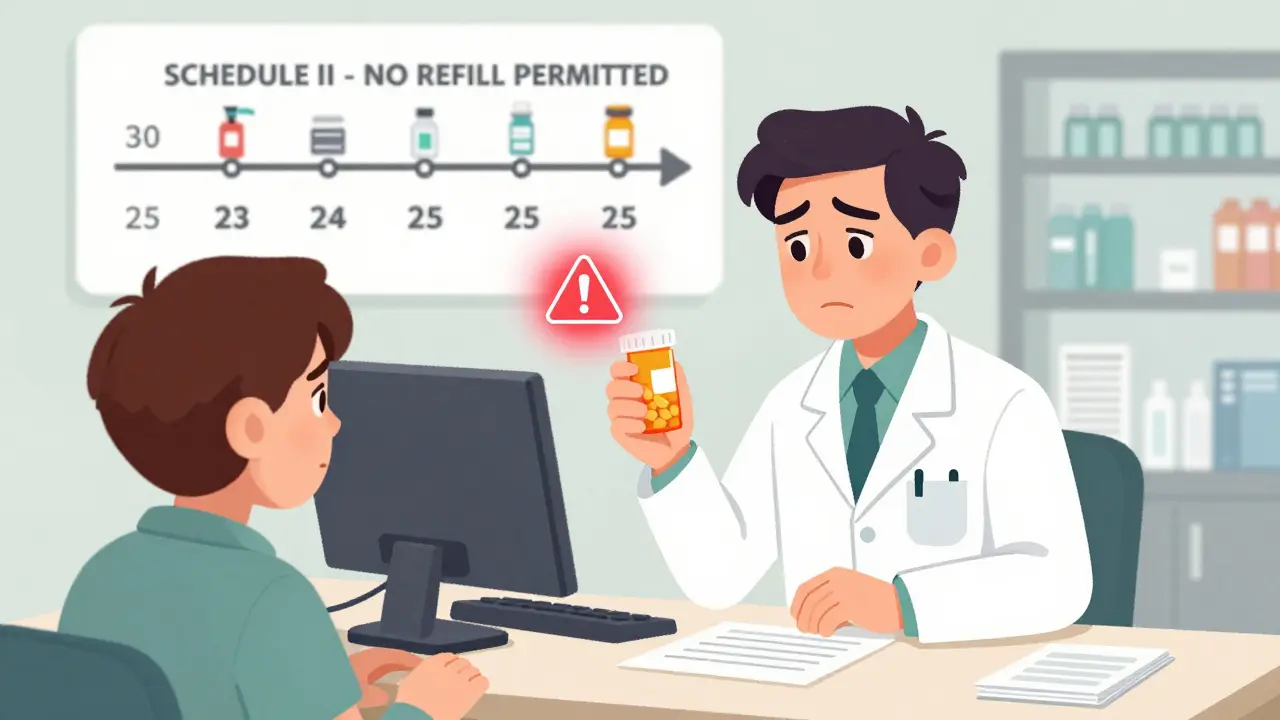
Early refills and duplicate therapy mistakes put patients at risk of overdose, addiction, and harmful drug interactions. Learn how pharmacies can prevent these errors with structured protocols, technology, and clear staff training.
Read More
Medication errors harm over 1.5 million Americans each year. Learn the most dangerous drugs, how mistakes happen at home, and 5 simple steps you can take right now to protect yourself from preventable harm.
Read More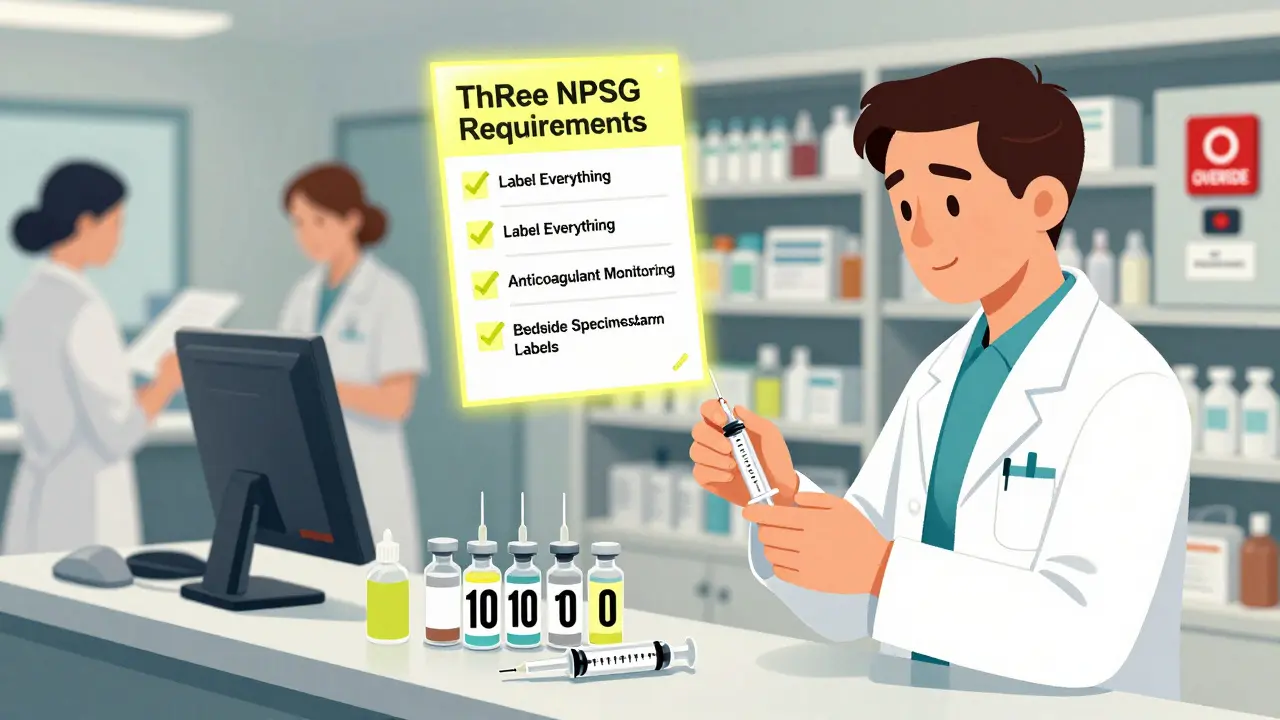
Patient safety goals in medication dispensing are not optional-they’re the minimum standard to prevent preventable deaths. Learn what’s required in 2026, why old practices fail, and how real hospitals are cutting errors.
Read More
Patients play a vital role in preventing medication errors. Learn the seven key actions you can take to stay safe, from keeping a medication list to asking questions-because your vigilance saves lives.
Read More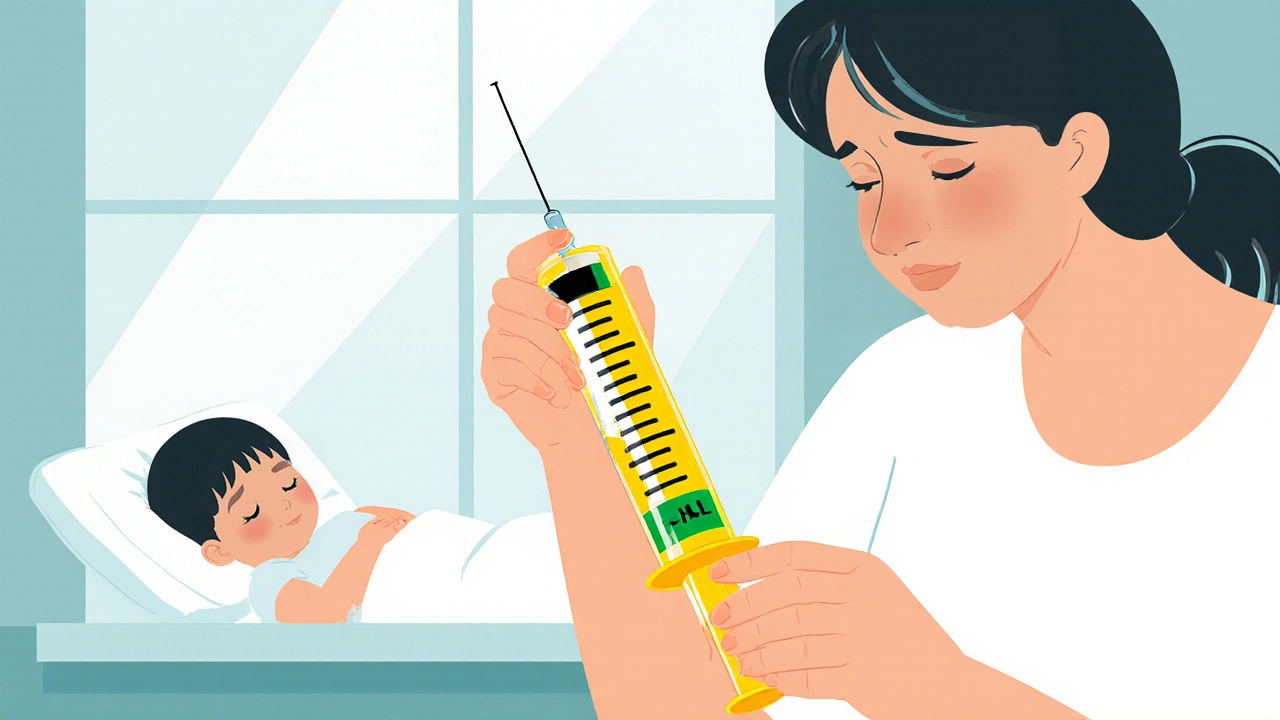
Visual dosing aids like syringes, droppers, and measuring cups reduce medication errors by making doses easy to see. Learn how color-coded markings and simplified scales improve safety for children, seniors, and caregivers.
Read More