
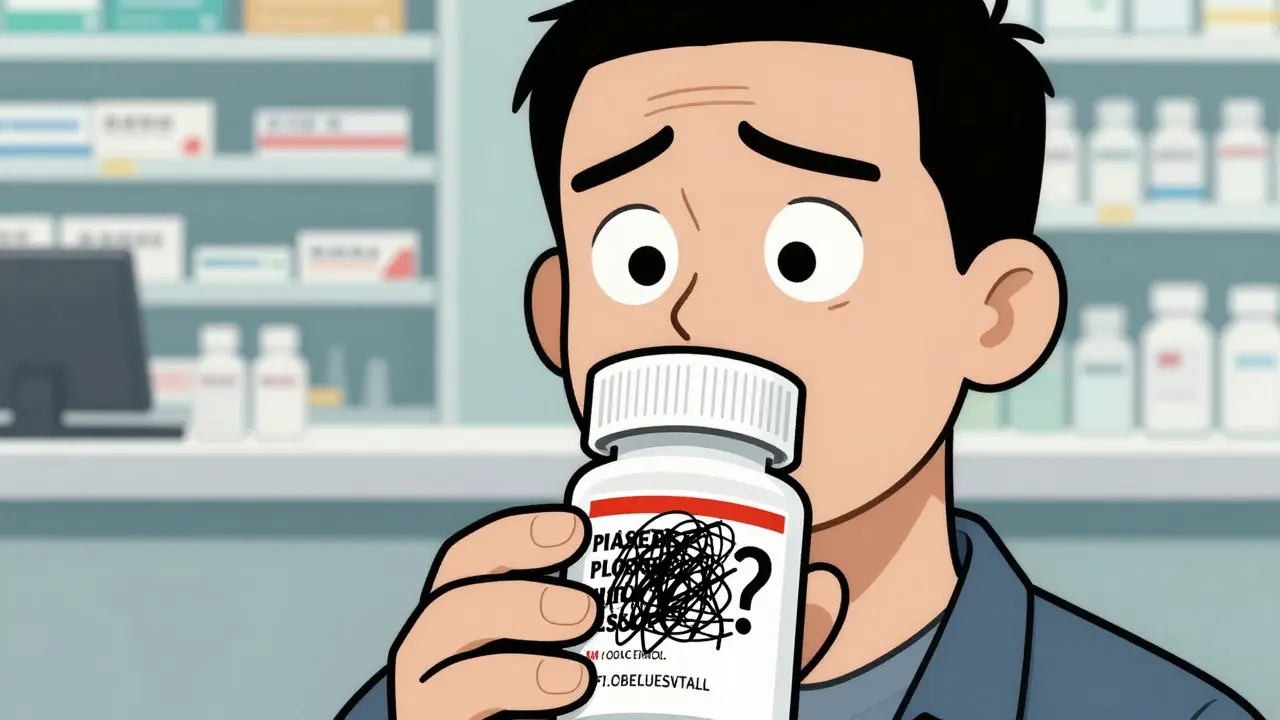
Imagine you just left the pharmacy with a new prescription. The label is in English, but your first language is Spanish. You read "take one tablet twice daily" but aren't sure if that means morning and night, or every twelve hours exactly. This isn't just a minor confusion-it’s a dangerous gap that puts your health at risk. If you speak a language other than English as your primary tongue, you are not alone in facing these hurdles. In fact, roughly half of adults with limited English proficiency hit a wall when trying to communicate with healthcare providers within a three-year period.
The stakes here are incredibly high. Misunderstanding medication instructions can lead to serious adverse drug events. Studies show that children from families with limited English proficiency face nearly double the rate of medication errors compared to their English-speaking peers. But there is good news: you have legal rights and practical tools available to ensure you get safe, clear care. Knowing how to navigate this system is the first step toward protecting your health.
Your Right to Clear Communication
It starts with knowing what you are owed by law. Under Title VI of the Civil Rights Act of 1964, any healthcare organization receiving federal funds-which includes almost all hospitals and many clinics-must provide free language assistance services to patients with limited English proficiency (LEP). This isn't a favor; it's a requirement enforced by the Office for Civil Rights. If a provider refuses to help you understand your treatment because they don't speak your language, they may be violating federal law.
Despite these laws, gaps remain. A 2023 survey found that four in ten LEP adults reported having fewer than half of their visits with a provider who spoke their language. Some hospitals still struggle to identify patients' language needs before they arrive. However, regulations like those from the Centers for Medicare & Medicaid Services (CMS) now require health plans to track and report on language access. This means the system is slowly getting better at recognizing your needs, but you often have to advocate for yourself.
Is it illegal for a hospital to refuse an interpreter?
Yes, for most facilities. Under Title VI of the Civil Rights Act, healthcare organizations receiving federal funding must provide language assistance. Refusing to do so can result in penalties up to $100,000 per violation and loss of federal funds.
Why Professional Interpreters Matter More Than Family
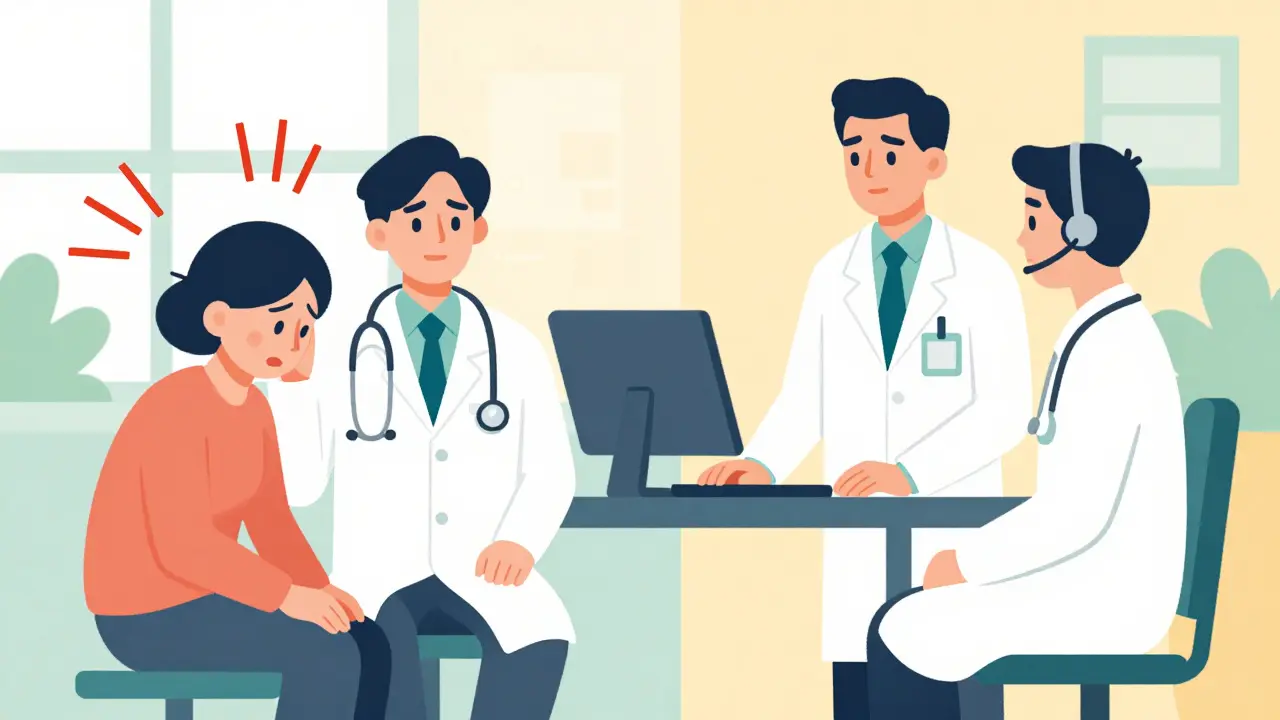
A common mistake patients make is asking a family member, especially a child, to translate medical information. It feels convenient and saves time, but it is risky. Research indicates that up to 25% of interpretations done by untrained family members contain errors. Medical terminology is precise; a slight mistranslation of dosage or timing can lead to harm. Furthermore, family members might omit sensitive details out of embarrassment or fear, leaving the doctor with incomplete information.
Professional interpreters are trained specifically in medical vocabulary and cultural nuances. They act as a neutral bridge between you and your provider. Using a professional interpreter can decrease medical error rates by up to 50%. These professionals are bound by confidentiality codes, ensuring your private health information stays secure. Whether through video remote interpretation or telephone services, these tools are designed to keep the conversation accurate and respectful.
If you feel pressured to use a friend or relative, politely decline. Say, "I would like to use a professional interpreter to make sure I understand everything correctly." Most clinics have protocols for this, even if staff seem hesitant due to scheduling concerns.
Navigating the Pharmacy Counter
The pharmacy is a critical checkpoint for medication safety. Unfortunately, it is also where language barriers often cause problems. A study in New York found that over 30% of pharmacies could not provide prescription labels in Spanish, despite serving large Spanish-speaking communities. Other studies show that many pharmacies cannot print non-English instruction packets or prepare oral explanations in languages other than English.
To stay safe, take these steps when picking up medication:
- Ask for translated materials immediately. Request that the pharmacist provide written instructions in your native language. If they say they can't, ask if they can use a translation app or service to generate them on the spot.
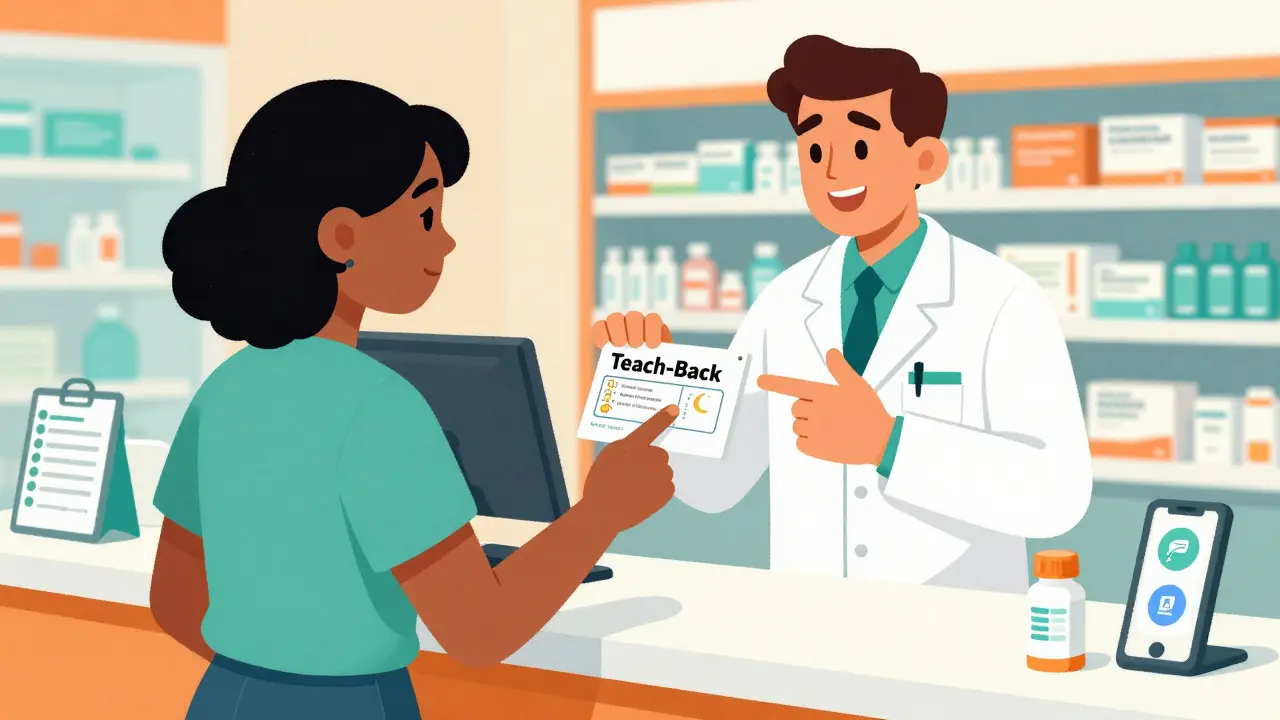
- Use the "Teach-Back" method. After the pharmacist explains how to take the medicine, repeat the instructions back to them in your own words. For example, "So, I take this pill with food every morning, correct?" This confirms both of you are on the same page.
- Check the label carefully. Look for symbols or icons that indicate dosage times (like a sun for morning or moon for night). If the text is unclear, do not leave until you have clarity.
Some pharmacies now offer bilingual staff or have partnerships with interpretation services. Don't assume they won't help; just ask. Your safety depends on clear communication at this stage.
Digital Tools and Technology
Technology is changing how we access healthcare, but it hasn't fully solved the language gap. While telehealth has expanded access, a 2023 study revealed that 29% of hospitals still lack online language services for digital consultations. However, there are promising developments. Electronic Health Records (EHR) systems like Epic and Cerner are adding enhanced language preference modules, allowing doctors to flag your language needs automatically.
Patient portals are becoming more inclusive too. Surveys show that a majority of Spanish-speaking patients believe bilingual online portals would strengthen their relationship with providers. When using apps or websites, look for language toggle buttons usually located in the top corner or footer. If an app doesn't support your language, contact customer support to request it or ask for alternative communication methods.
Beware of relying solely on general translation software like Google Translate for complex medical advice. While useful for basic phrases, AI translators can miss context or medical subtleties. Use them as a backup, not a primary source for understanding prescriptions or symptoms.
Practical Steps to Protect Yourself
You can take control of your healthcare experience by preparing ahead of time. Here is a checklist to keep handy:
- Identify your language early. When booking appointments or checking in, clearly state your preferred language. Ask the clinic to note this in your file permanently.
- Bring a list of questions. Write down what you need to ask your doctor before the visit. If possible, have this list translated beforehand so you can hand it to the interpreter.
- Request Directly Observed Dosing. For high-risk medications, ask if a nurse or pharmacist can watch you take your first dose to ensure you're doing it right. This visual confirmation bridges language gaps effectively.
- Know your emergency contacts. Save the number for professional interpretation services in your phone. Many regions have free hotlines for medical emergencies.
Remember, effective communication is a two-way street. Providers want to help you, but they need to know how. By asserting your need for an interpreter and verifying your understanding, you build a safer environment for your treatment.
What to Do If Things Go Wrong
If you experience a medication error due to a language barrier, document everything. Note the date, time, provider name, and what was misunderstood. Contact the hospital's patient advocacy office or quality improvement department. You can also file a complaint with the Office for Civil Rights if you believe your rights were violated. Reporting issues helps institutions improve their systems and prevents others from facing the same risks.
Advocacy groups and community health centers often offer resources for navigating these disputes. Don't hesitate to reach out. Your voice matters in shaping a healthcare system that works for everyone, regardless of language.
How much does a professional interpreter cost?
For patients, professional interpretation services provided by hospitals or clinics covered under Title VI are typically free. Hospitals pay for these services, which can range from $50-$100 per hour for in-person interpreters or $3.50-$6.00 per minute for remote services.
Can I use a smartphone app instead of a human interpreter?
While apps can help with simple conversations, they are not recommended for complex medical discussions or medication instructions. Human interpreters provide accuracy, cultural context, and emotional support that AI currently cannot match. Always prioritize professional interpreters for clinical care.
What is the "Teach-Back" method?
The Teach-Back method is a communication technique where you repeat information back to your provider in your own words to confirm understanding. It ensures that both parties share the same knowledge about treatments and dosages.
Are pharmacies required to provide translations?
Regulations vary by state and country. While federal law mandates language access in healthcare settings like hospitals, pharmacy-specific requirements differ. However, many major chains now offer multilingual labels and staff. Always ask for assistance if the label is unclear.
Who pays for interpretation services?
In the US, healthcare providers receiving federal funds must cover the cost of interpretation for LEP patients. Insurance companies are increasingly reimbursing for these services as well. Patients should never be charged for necessary language assistance during clinical encounters.