
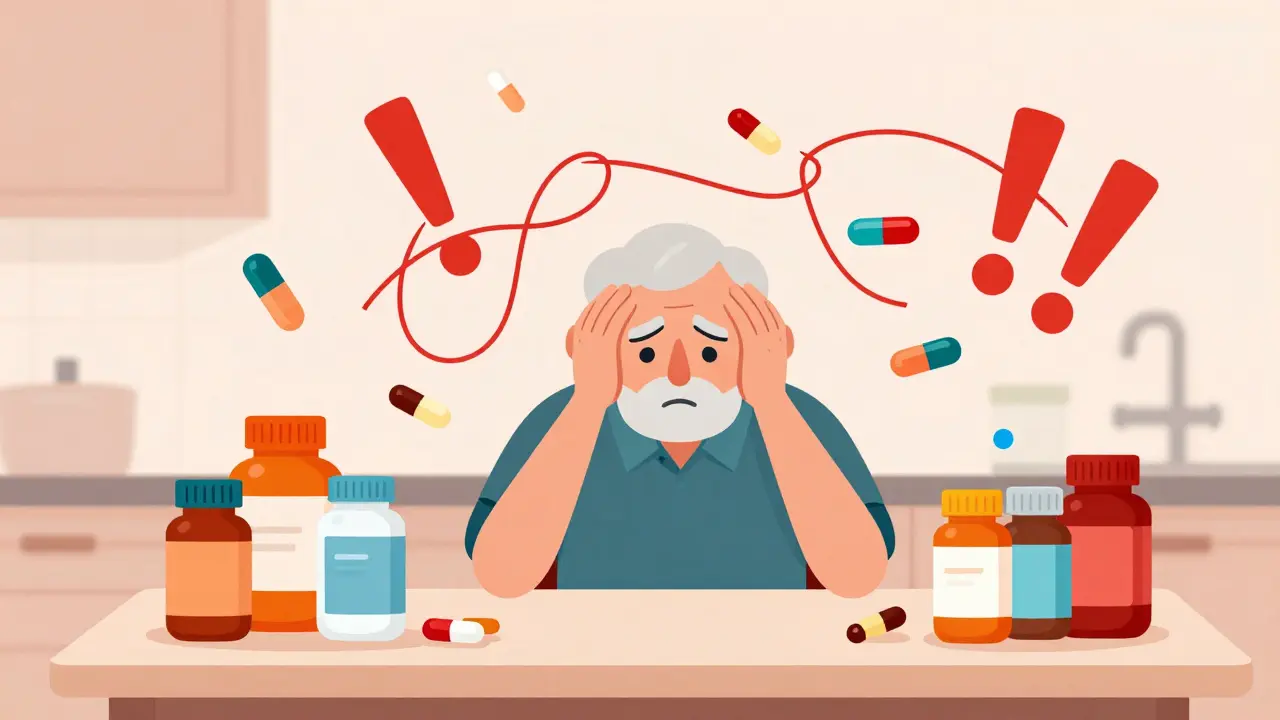
Imagine you are taking five different medications. One for your blood pressure, another for cholesterol, a painkiller for your back, an antibiotic for an infection, and a daily multivitamin. It sounds like a standard routine for many people, especially as we age. But what if two of those pills cancel each other out? Or worse, what if they combine to create a dangerous side effect that lands you in the hospital? This is not a hypothetical scare tactic; it is a real risk known as polypharmacy, defined as the concurrent use of multiple medications by a single patient. According to a 2019 report from the World Health Organization, adverse drug events account for approximately 6.7% of all hospital admissions. That is a staggering number of preventable emergencies.
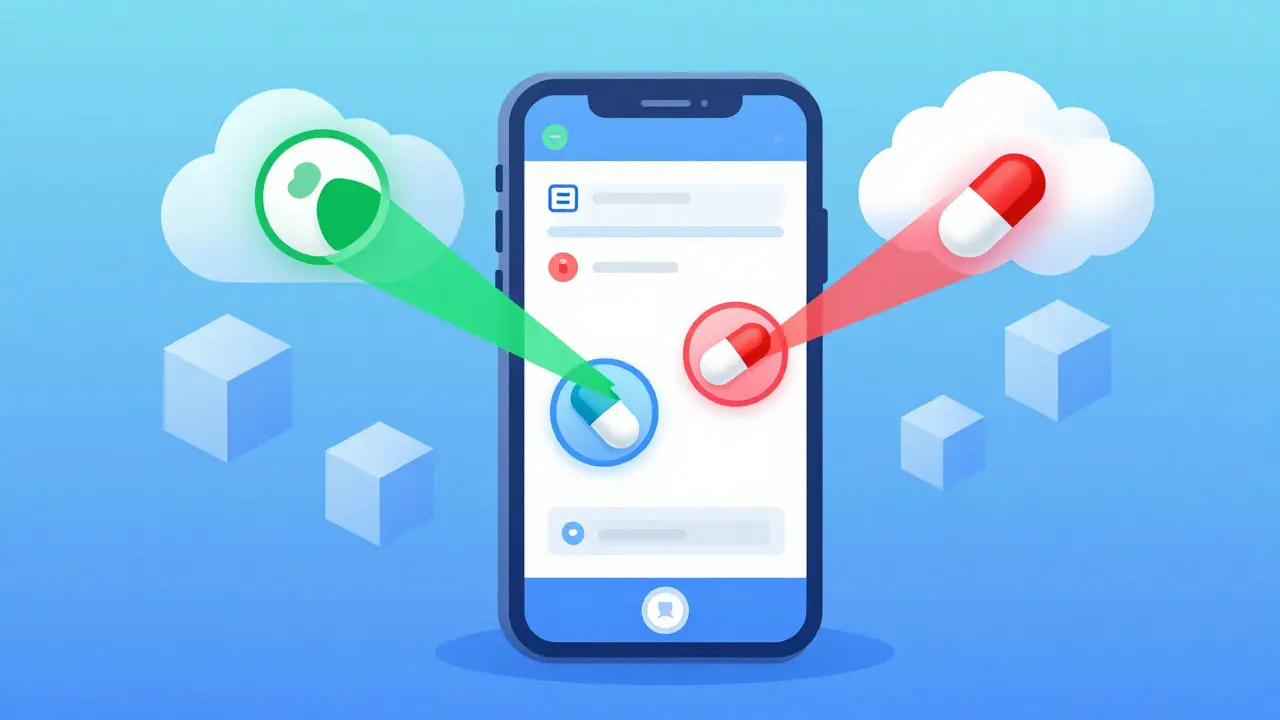
This is where a drug interaction checker comes into play. These tools are specialized software designed to compare the ingredients of your medications against vast databases of known pharmacological interactions. They act as a digital safety net, flagging potential conflicts before they become health crises. However, using these tools effectively requires more than just typing names into a search bar. You need to understand how they work, their limitations, and which ones are reliable enough to trust with your health.
Understanding How Drug Interaction Checkers Work
To use a drug interaction checker effectively, you first need to know what it is actually doing behind the scenes. These tools do not guess; they calculate. They operate by comparing medication ingredients against extensive databases of known pharmacological interactions using algorithms that assess pharmacokinetic and pharmacodynamic properties. In simpler terms, they look at how your body absorbs, distributes, metabolizes, and excretes drugs (pharmacokinetics) and how those drugs affect your body’s functions (pharmacodynamics).
Most checkers analyze three primary types of interactions:
- Drug-Drug Interactions: This occurs when two medications affect each other’s metabolism. For example, one drug might slow down the liver enzyme responsible for breaking down another, causing the second drug to build up to toxic levels in your bloodstream.
- Drug-Food or Drink Interactions: Certain foods or beverages can interfere with medication. The most famous example is grapefruit juice, which can dangerously increase the concentration of some statins and blood pressure medications. Alcohol is another major culprit that interacts with countless prescriptions.
- Drug-Condition Interactions: Sometimes, a medication is safe on its own but risky if you have a specific health condition. For instance, certain antacids can be harmful if you have kidney disease, a nuance that standard drug-drug checkers might miss unless specifically programmed to consider comorbidities.
A study published in the National Institutes of Health (PMC5084483) in 2016 evaluated five major DDI software programs: Lexi-Interact, Micromedex Drug Interactions, iFacts, Medscape, and Epocrates. The findings established that while these tools are essential clinical decision support systems, their performance varies significantly. Understanding this variation is key to choosing the right tool for your needs.
Choosing the Right Tool: Professional vs. Consumer Options
Not all drug interaction checkers are created equal. The market is divided into professional-grade systems used by doctors and pharmacists, and consumer-friendly tools available to the public. Knowing the difference helps you set realistic expectations.
| Tool Name | Target Audience | Sensitivity/Accuracy | Key Strengths | Limitations |
|---|---|---|---|---|
| Lexi-Interact | Clinicians | 77% Sensitivity | High detection rate for clinically relevant interactions | Can generate excessive false-positive alerts |
| Micromedex | Clinicians | 78% Specificity | Reduces alert fatigue; high precision | May miss some rare interactions due to high specificity |
| University of Liverpool COVID-19 Checker | Clinicians & Public | Gold Standard for Paxlovid | Updated weekly; clear color-coding system | Focused primarily on COVID-19 therapeutics |
| Drugs.com / WebMD | Consumers | ~60% Accuracy | Free, accessible, easy to use | Lower accuracy; less detailed clinical context |
| Epocrates | Mobile Users | 60.3% Accuracy | Strong mobile interface | Incomplete supplement database |
For general consumers, WebMD and Drugs.com offer free, accessible tools. They are great for a quick sanity check but should not be your sole source of truth for complex regimens. On the professional side, Lexi-Interact and Micromedex demonstrate the best overall performance. Lexi-Interact has superior sensitivity, meaning it catches almost every possible interaction, though this can lead to "alert fatigue" where users ignore warnings because so many are minor. Micromedex, with higher specificity, filters out irrelevant warnings better but might occasionally miss a nuanced interaction.
A special mention goes to the University of Liverpool’s COVID-19-specific DDI Checker. Developed in 2020, it uses a sophisticated color-coding system: red circles for medications that shouldn’t be taken together, orange squares for significant interactions requiring monitoring, yellow triangles for weak interactions, and green diamonds for no expected issues. Dr. Paul Offit, Director of the Vaccine Education Center at Children's Hospital of Philadelphia, praised it as "the most comprehensive resource for COVID-19 drug interactions," noting it updates within 72 hours of new evidence. If you are taking Paxlovid or similar antivirals, this is the tool you should prioritize.
The Step-by-Step Process for Effective Checking
Using a drug interaction checker effectively is not about finding a "safe" button; it is about gathering information for a conversation with your healthcare provider. The Cleveland Clinic recommends a structured three-step process to maximize accuracy and minimize anxiety.
- Compile a Complete Medication List: This is the most critical step. Many people forget to include over-the-counter (OTC) drugs, herbal supplements, and vitamins. According to the Cleveland Clinic, OTC products and supplements account for approximately 23% of clinically significant interactions. Write down everything you take, including dosage and frequency. If you use a brand name, note the generic name as well, as some tools respond better to one than the other.
- Input Medications into a Trusted Checker: Enter your complete list into a reputable tool. For consumers, Drugs.com or WebMD are good starting points. For professionals, Lexi-Interact or Micromedex are preferred. If you are checking for COVID-19 treatments, use the University of Liverpool tool. Be meticulous with spelling; a typo can lead to missing data entirely.
- Review Results Focusing on Severity: Do not panic at the first warning. Most checkers categorize interactions by severity. Focus on "Major" or "Severe" interactions. According to NIH data, only 5-10% of flagged interactions are truly severe. Minor interactions might just mean taking a pill with food instead of on an empty stomach. Document any severe flags to discuss with your pharmacist.
Learning curve assessments indicate that patients typically need 15-20 minutes to navigate consumer tools effectively. Take your time. Rushing leads to errors.
Recognizing Limitations and False Reassurance
Here is the hard truth: No current drug interaction checker has been validated to replace pharmacist review for complex regimens involving five or more medications. The FDA’s 2022 Drug Safety Communication explicitly cautioned against relying solely on these tools. Why? Because they are imperfect.
First, there is the issue of false negatives. A prominent case documented in the Journal of Patient Safety (March 2022) involved a patient who relied solely on a free online checker that failed to flag a dangerous interaction between sertraline (an antidepressant) and linezolid (an antibiotic). This combination led to serotonin syndrome, a potentially life-threatening condition. The tool missed it because the interaction was rare or not yet fully cataloged in its specific database version.
Second, there is the problem of false positives. Dr. Adam Gaffney of Harvard Medical School warned in a 2021 NEJM Catalyst article that "overreliance on DDI checkers without clinical context can lead to therapeutic inertia." He noted that 32% of high-severity alerts in hospital systems represent theoretically possible but clinically irrelevant interactions. For example, a checker might flag a minor interaction that would only matter if the patient had liver failure, even if their liver function is normal. Ignoring clinical context can cause patients to stop necessary medications unnecessarily.
Furthermore, newly approved medications often lack comprehensive testing against all possible combinations. Clinical trials are practical and limited; they cannot test every new drug against every existing drug on the market. Therefore, newer drugs may have unknown interactions that checkers cannot predict.
Best Practices for Patients and Caregivers
To get the most out of a drug interaction checker, follow these expert-backed best practices:
- Use Multiple Tools: The American Society of Health-System Pharmacists (ASHP) 2022 guidelines recommend using at least two independent checkers for high-risk patients. There is a 15-20% discrepancy rate between major systems. If two different tools flag the same interaction, it is likely significant.
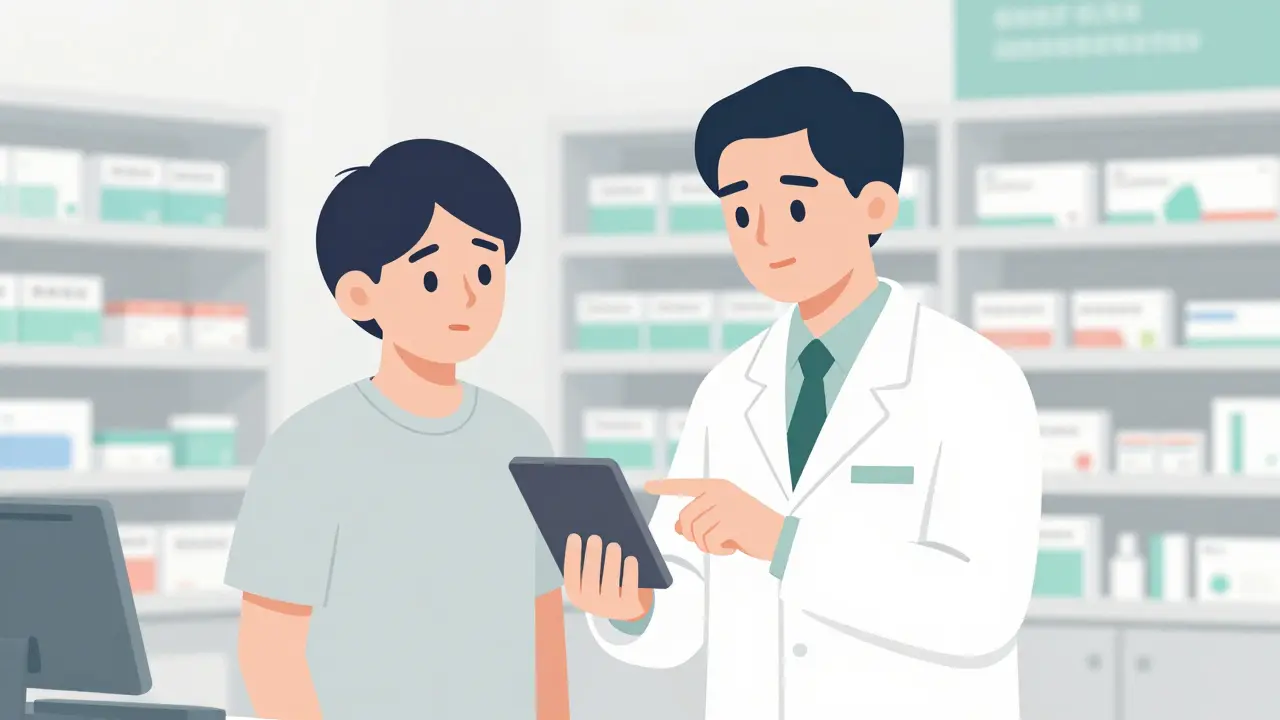
- Always Consult a Pharmacist: Pharmacists are trained to interpret these results. They can distinguish between a theoretical risk and a real-world threat based on your specific health history. A 2023 survey by the National Community Pharmacists Association found that 68% of pharmacists recommend patients use online checkers but emphasize they should "always confirm with your pharmacist."
- Update Regularly: Your medication list changes. Every time you start a new prescription, add a supplement, or begin a new treatment, run a check again. Drug interactions are dynamic, not static.
- Be Honest About Substances: Include alcohol, recreational drugs, and herbal remedies in your check. St. John’s Wort, for example, interacts with dozens of medications, including birth control and antidepressants. Checkers need the full picture to give accurate advice.
Dr. David Flockhart, former Chief of Clinical Pharmacology at Indiana University, summarized the approach perfectly in a 2020 JAMA commentary: "DDI checkers are essential but imperfect tools that must be paired with clinical judgment." Treat the checker as a starting point for inquiry, not the final verdict.
The Future of Drug Interaction Checking
The landscape of drug interaction checking is evolving rapidly. The clinical decision support market, including DDI checkers, reached $1.24 billion USD in 2023, growing at 14.7% year-over-year. This growth is driven by increasing polypharmacy among aging populations-patients over 65 now take an average of 4.8 prescription medications-and regulatory requirements for meaningful Electronic Health Record (EHR) use.
Current developments focus on artificial intelligence integration. The NIH’s 2023-funded DDI-AI project aims to improve prediction accuracy for novel drug combinations by applying machine learning to adverse event databases. Preliminary results show an 18.3% improvement in sensitivity over traditional methods. In the future, AI could predict interactions for drugs that have never been tested together by analyzing molecular structures and biological pathways.
We are also seeing a shift from standalone tools to integrated systems. Epic Systems rolled out "InteractionGuard" in 2024, which analyzes medication timing and dosing schedules within the EHR-a capability lacking in current standalone web tools. This allows for real-time monitoring rather than periodic checks. However, challenges remain. As the NIH study authors noted, "process-related limitations" prevent comprehensive DDI testing during drug development. Until then, human expertise combined with advanced software will remain the gold standard for medication safety.
Is it safe to rely solely on online drug interaction checkers?
No. While online checkers are valuable screening tools, they are not perfect. They may miss rare interactions or generate false alarms. The FDA advises that no current checker replaces pharmacist review, especially for complex regimens with five or more medications. Always verify results with a healthcare professional.
Do I need to include vitamins and supplements in my drug interaction check?
Yes, absolutely. Over-the-counter drugs and supplements account for approximately 23% of clinically significant interactions. Herbal remedies like St. John’s Wort or Garlic can interact powerfully with prescription medications. Including them ensures a complete and accurate assessment.
Which drug interaction checker is the most accurate?
For professionals, Lexi-Interact and Micromedex are considered top-tier, with Lexi-Interact offering high sensitivity (77%) and Micromedex offering high specificity (78%). For consumers, Drugs.com and WebMD are accessible but have lower accuracy (~60%). For COVID-19 treatments, the University of Liverpool’s checker is the gold standard.
What does a "Major" interaction warning mean?
A "Major" or "Severe" warning indicates a high likelihood of a serious adverse effect that could require medical attention or hospitalization. Only about 5-10% of flagged interactions are this severe. You should discuss any Major warnings with your doctor or pharmacist immediately to adjust dosages or switch medications.
Why do different checkers give different results for the same drugs?
Different tools use different databases and algorithms. There is a 15-20% discrepancy rate between major systems. One tool might prioritize sensitivity (catching everything), while another prioritizes specificity (filtering out noise). Using two independent checkers can help identify consistent risks.