
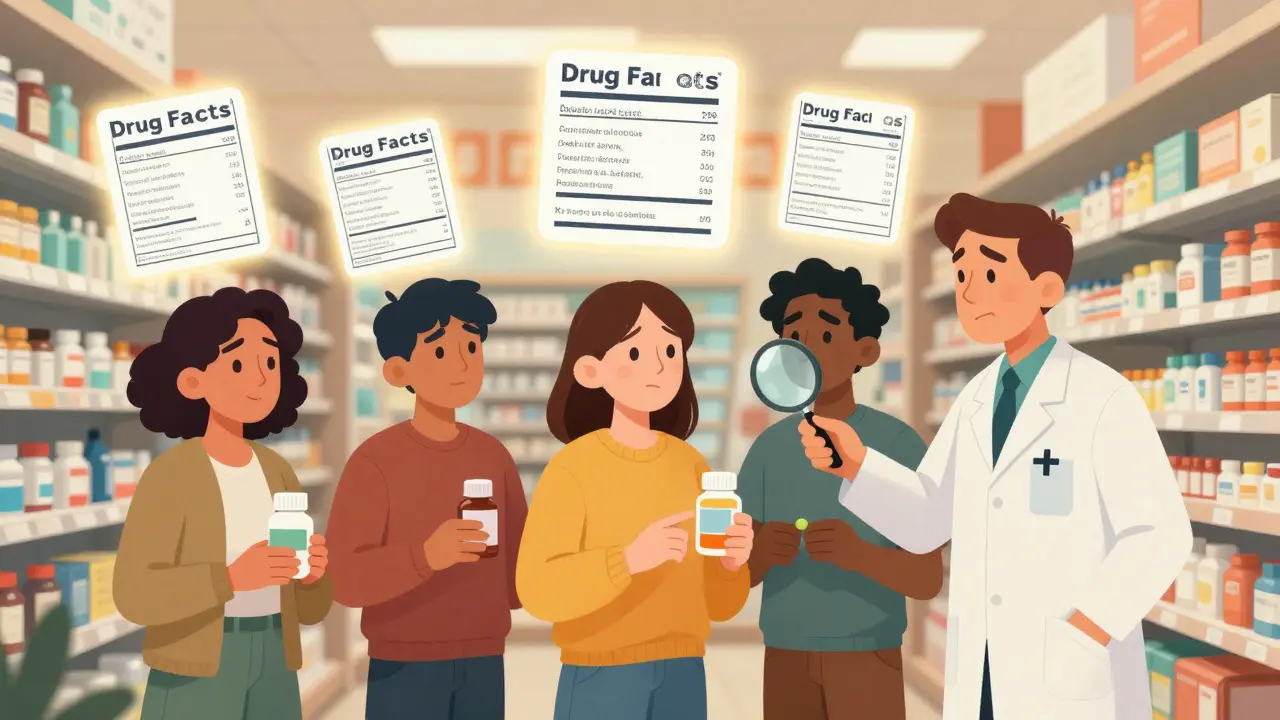
Learn how to safely choose OTC medications at the pharmacy by reading labels, understanding active ingredients, avoiding dangerous combinations, and talking to your pharmacist. Simple steps can prevent serious harm.
Read More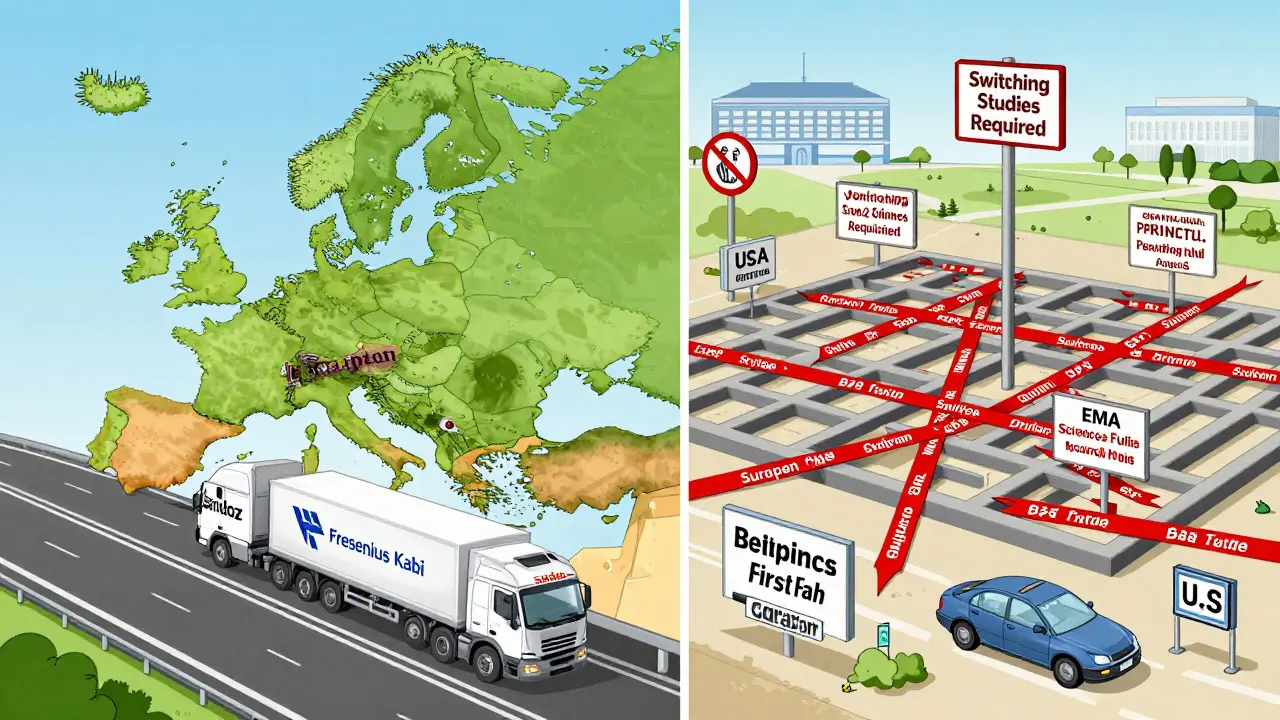
Europe led the biosimilar market since 2006 with clear regulations and fast adoption. The U.S. lagged due to legal and regulatory barriers - until 2024, when the FDA removed key roadblocks. Now, the U.S. is racing to catch up, with biosimilars poised to save billions in healthcare costs.
Read More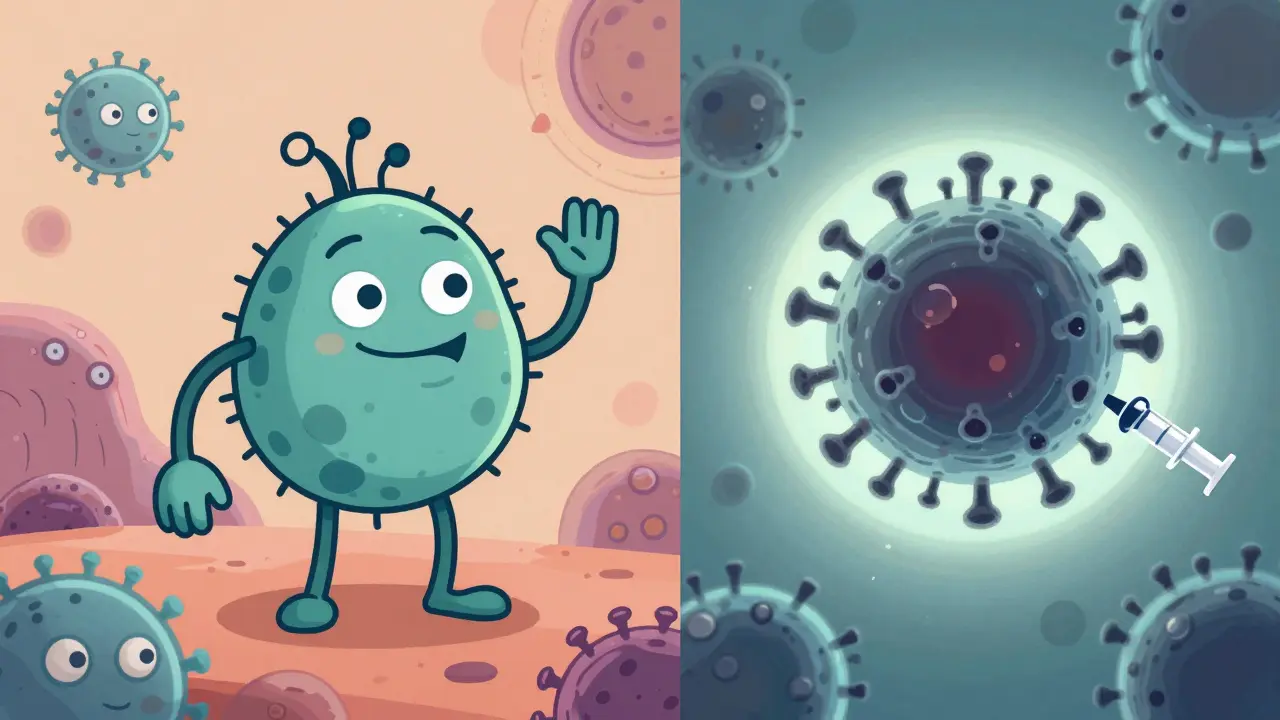
Learn how to tell bacterial and viral infections apart, why antibiotics don't work for colds or flu, and what treatments actually help. Stop unnecessary antibiotics and protect yourself from resistance.
Read More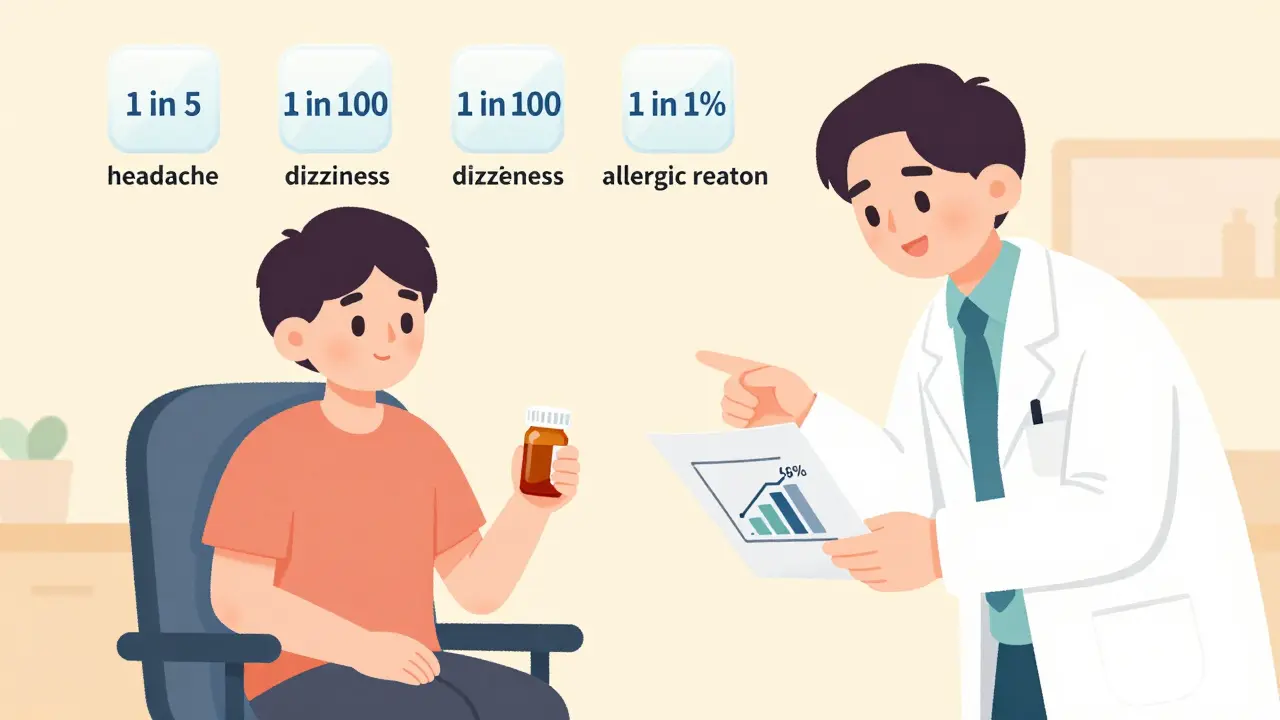
Learn how to talk to your doctor about medication side effects with clear, actionable steps. Discover what patients really want to know, how to ask for specific risk numbers, and why vague warnings lead to medication non-adherence.
Read More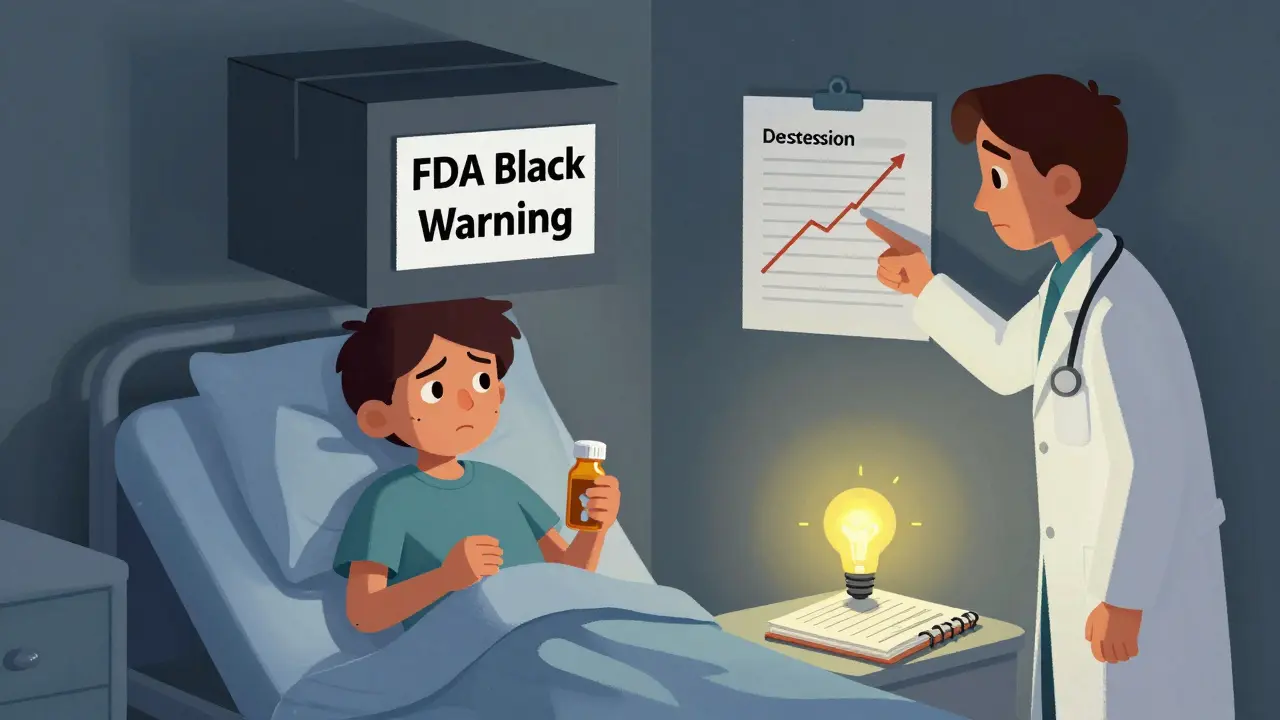
Antidepressants for teens carry a black box warning about increased suicide risk, but recent evidence shows untreated depression is often more dangerous. Learn how to monitor safely and make informed treatment decisions.
Read More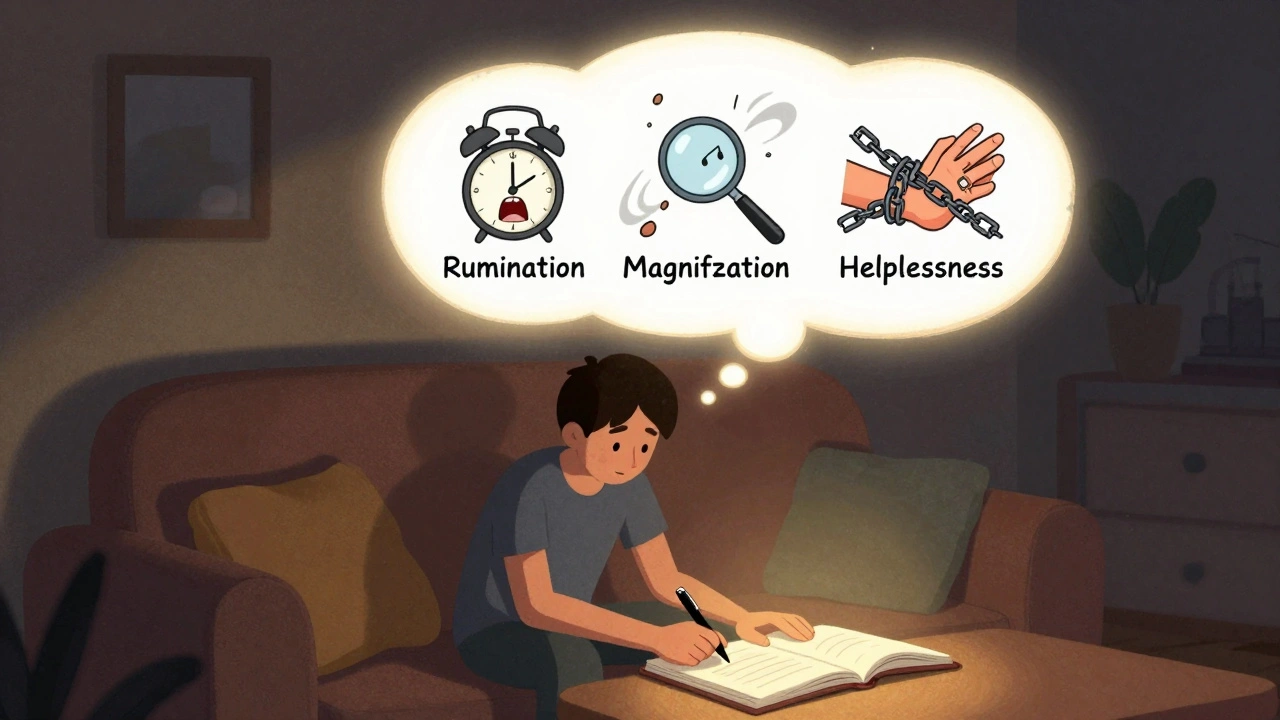
Pain catastrophizing makes chronic pain feel worse by fueling fear, helplessness, and rumination. CBT offers proven tools to break this cycle - helping you manage distress, reduce pain amplification, and reclaim daily life without denying your experience.
Read More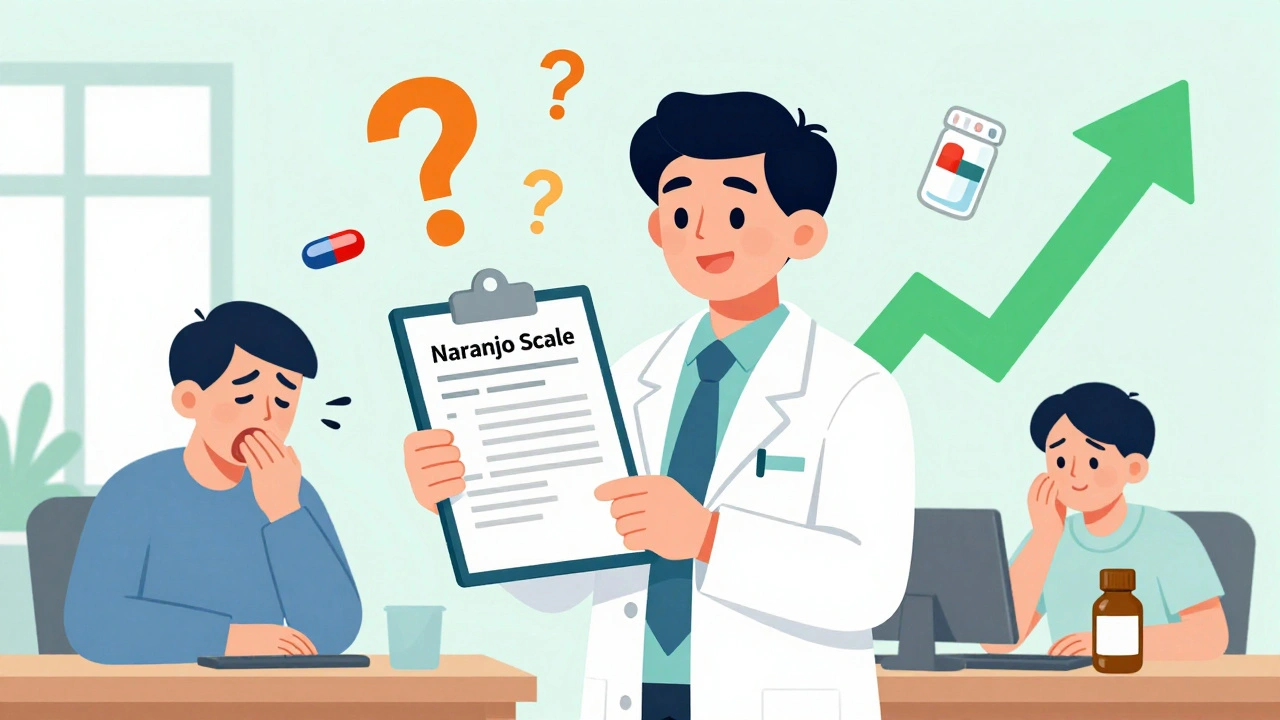
The Naranjo Scale is a proven, 40-year-old tool used by healthcare professionals to determine if a drug caused an adverse reaction. Learn how it works, when it's useful, and why it's still the gold standard in drug safety.
Read More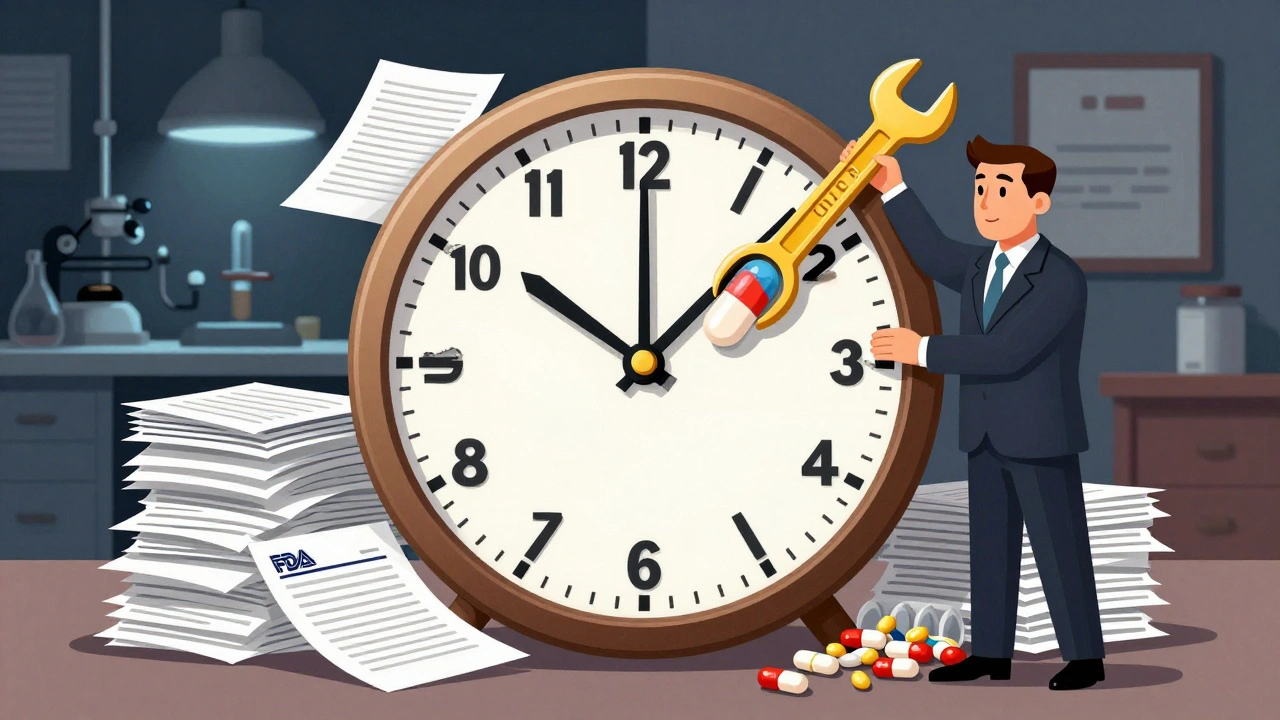
Patent Term Restoration (PTE) lets drugmakers recover lost patent time due to FDA delays. Learn how it works, who qualifies, why it's controversial, and what's changing in 2025.
Read More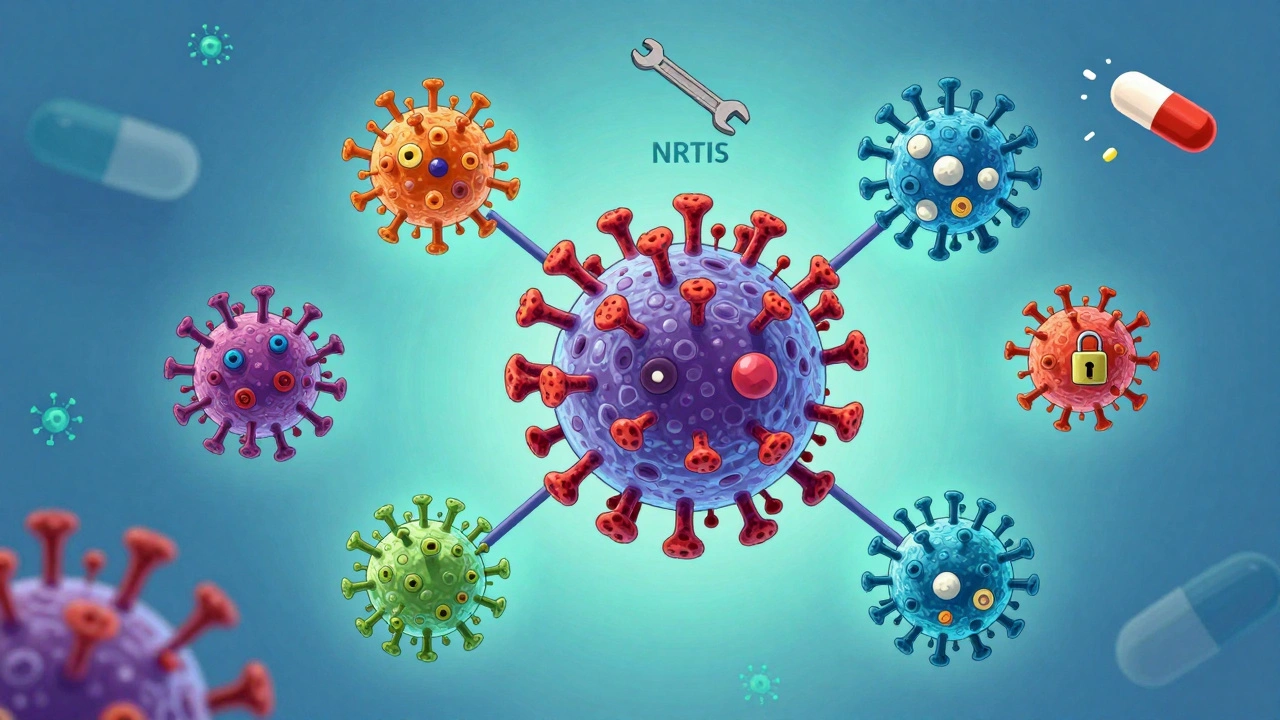
Antiretroviral HIV medications have transformed HIV into a manageable condition, but drug resistance and complex interactions remain serious challenges. Learn how modern regimens work, why adherence matters, and what new treatments are changing the game.
Read More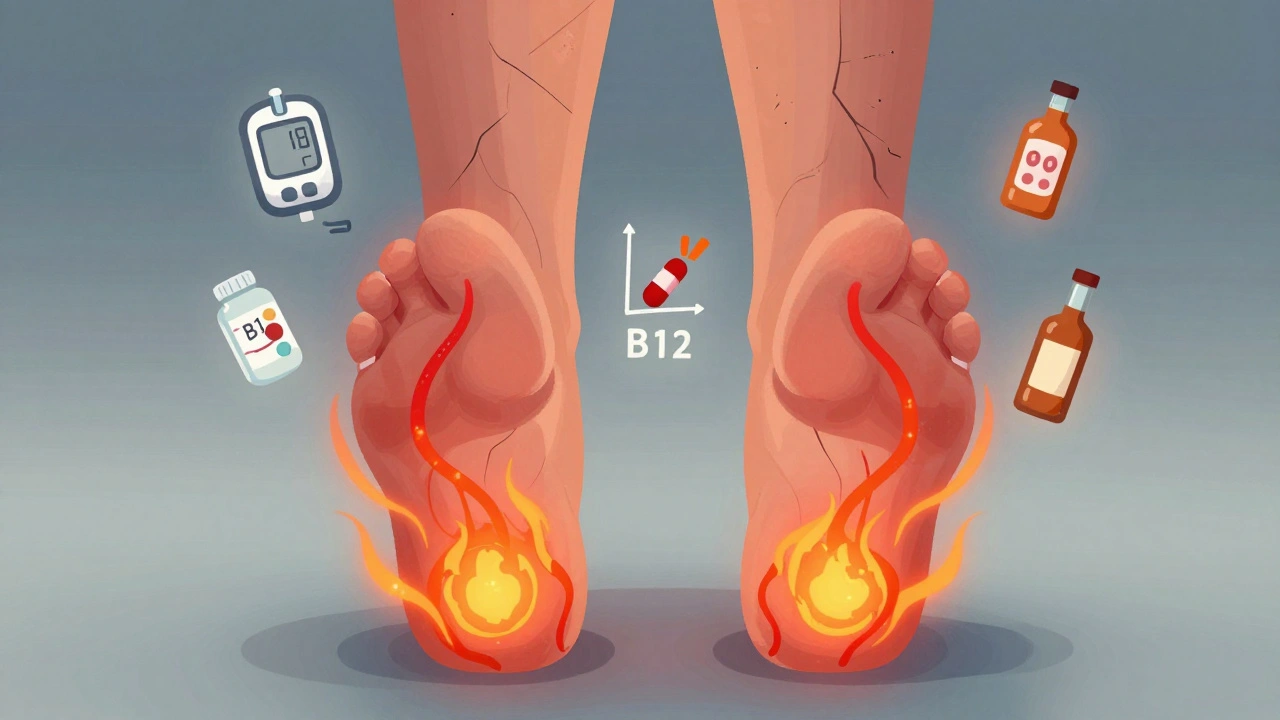
Peripheral neuropathy causes burning, numbness, and pain-often from diabetes or B12 deficiency. Learn the real causes, proven treatments like pregabalin and scrambler therapy, and how to manage symptoms without opioids.
Read More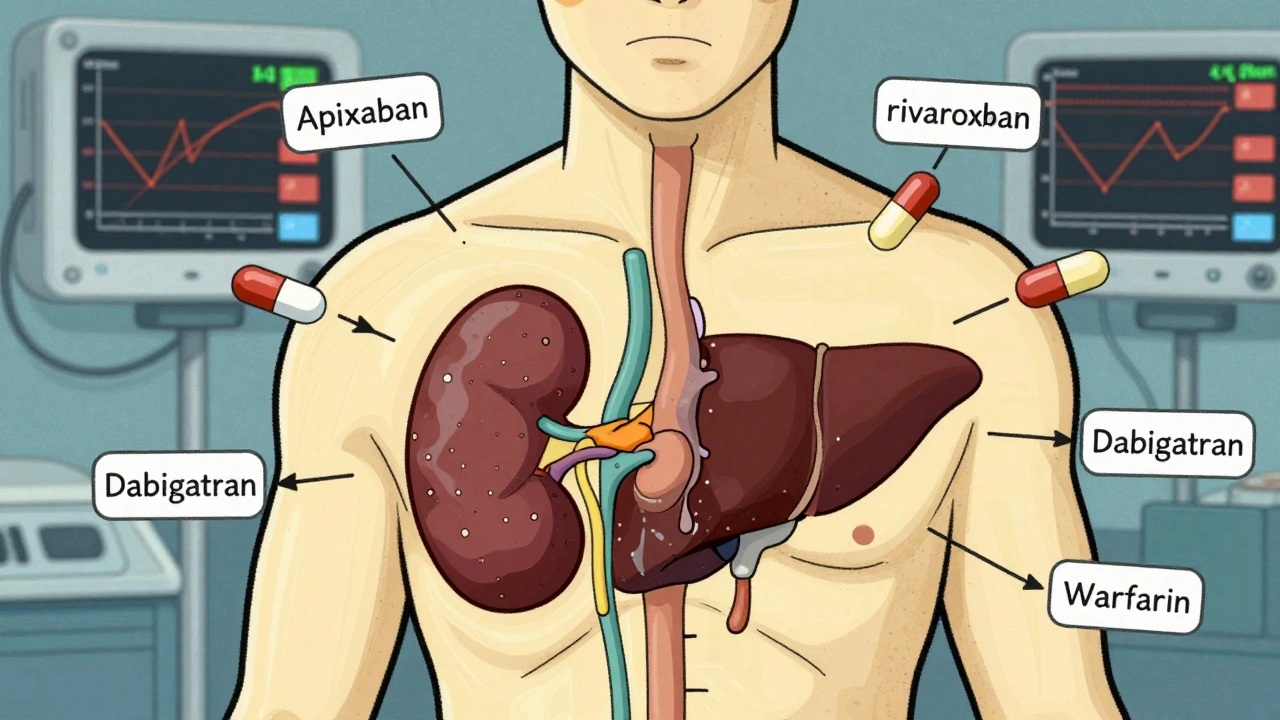
Managing blood thinners in kidney and liver disease requires careful balancing of clot and bleed risks. Apixaban is often the safest DOAC choice, while warfarin remains tricky due to unreliable INR in liver disease. Real-world data guides decisions when trials don't.
Read More
Counterfeit drugs look real but can be deadly. Learn how to spot fake medicines, where they come from, and what steps you can take right now to protect yourself and your family.
Read More