
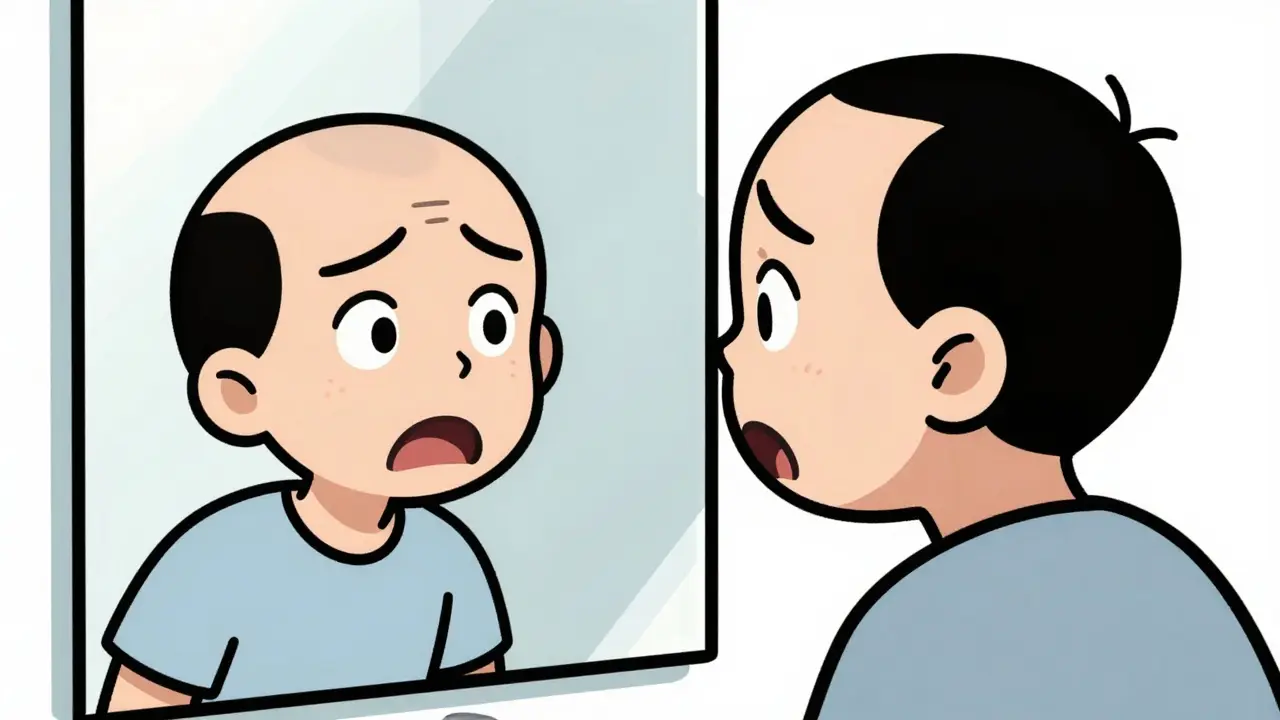
One day you look in the mirror, and a patch of your scalp is completely bare. It’s not gradual thinning; it’s sudden, smooth, and shocking. This isn’t just stress or bad genetics-it’s Alopecia Areata, a chronic autoimmune condition where the body's immune system mistakenly attacks hair follicles, causing sudden, non-scarring hair loss. While it doesn't threaten physical health, the emotional toll is immense. But here is the good news: unlike scarring alopecias that destroy follicles permanently, alopecia areata leaves the door open for regrowth. With modern treatments ranging from traditional injections to groundbreaking oral medications, managing this condition is more feasible than ever.
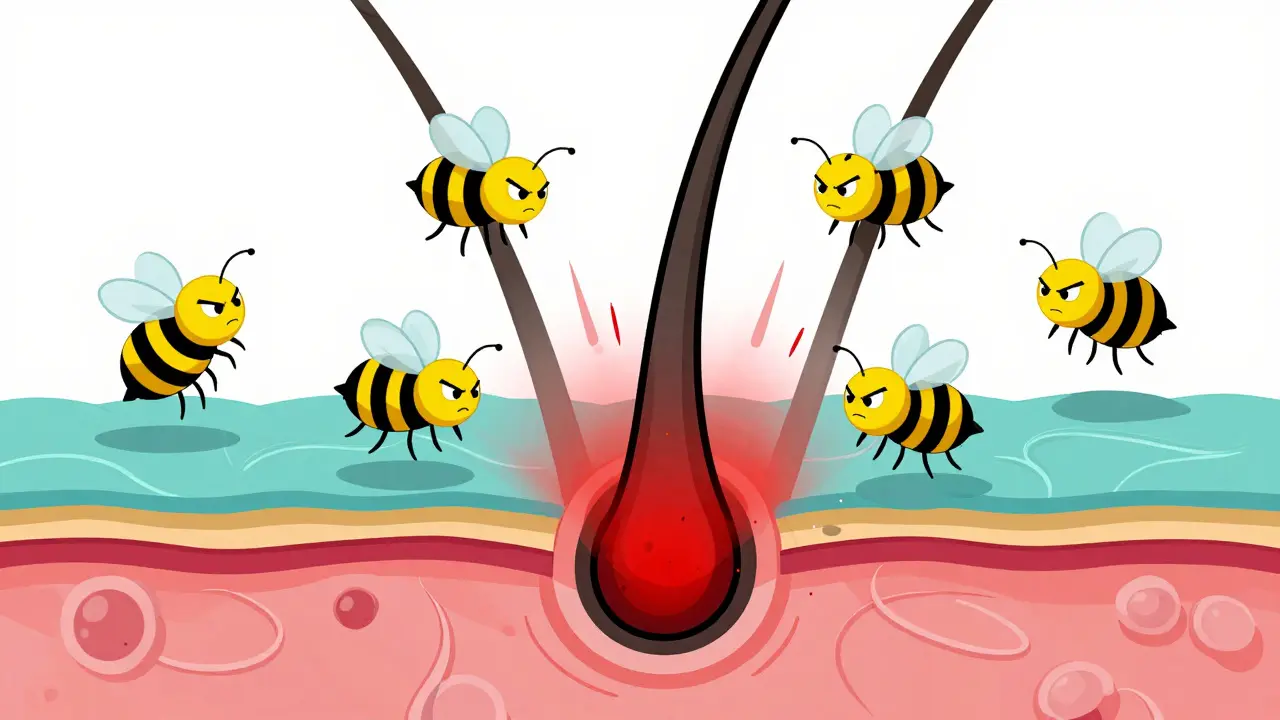
You might be wondering why this is happening to you. To understand the treatment, you first need to understand the mechanism. Your hair follicles usually have "immune privilege," meaning they hide from your immune system. In alopecia areata, this shield collapses. Immune cells, specifically CD8+ T-cells, swarm around the hair bulb like bees attacking a hive. They force the follicle into a premature resting phase (telogen) or transition phase (catagen), stopping growth abruptly. The result? Round, coin-sized bald patches, typically 2.5 to 5 cm in diameter. Crucially, the follicle itself is not destroyed. It is dormant, waiting for the inflammation to subside so it can wake up and grow again.
Recognizing the Signs and Variants
Alopecia areata presents differently for everyone. For most, it starts as distinct, round bald spots on the scalp. You might feel tingling, itching, or burning in those areas days before the hair falls out-a warning sign known as prodromal symptoms. However, the condition has several forms:
- Patchy Alopecia Areata: The most common form, featuring one or more smooth, non-inflamed bald patches.
- Alopecia Totalis: Complete loss of all scalp hair.
- Alopecia Universalis: Loss of all body hair, including eyebrows, eyelashes, and body hair.
- Ophiasis Pattern: A band-shaped loss of hair around the sides and back of the head, resembling a Greek wreath.
- Diffuse Alopecia Areata: Sudden, widespread thinning without distinct patches, often mistaken for normal shedding.
Keep an eye on your nails too. About 10-50% of patients experience nail changes, such as tiny pits (pitting), rough surfaces (trachyonychia), or redness under the nail lunula. These signs help dermatologists confirm the diagnosis, distinguishing it from other conditions like telogen effluvium (stress-related shedding) or androgenetic alopecia (pattern baldness).
The Emotional Reality of Hair Loss
Let’s talk about what statistics miss: the human cost. Losing your hair affects your identity. According to the National Alopecia Areata Foundation (NAAF), 68% of patients report significant social anxiety. Many avoid swimming, beaches, or intimate situations because of visible hair loss. Dr. Natasha Mesinkovska from UC Irvine notes that 30% of patients suffer from moderate to severe anxiety, and 28% experience clinical depression. The NIH even ranks alopecia areata as having the highest disease burden per patient among all skin conditions, surpassing psoriasis and eczema in quality-of-life impact. Acknowledging this pain is the first step toward healing. You are not alone in feeling this way.
Traditional Treatments: What Works?
If you’ve been diagnosed, your dermatologist will likely start with first-line therapies. These aim to suppress the local immune attack.
Intralesional Corticosteroid Injections are the gold standard for limited patchy alopecia. A doctor injects triamcinolone acetonide directly into the bald patches every 4-6 weeks. Studies show 60-67% efficacy for regrowth in these cases. It’s effective but can be painful and requires regular clinic visits. For those who dread needles, topical corticosteroids (like betamethasone valerate lotion) are an option, though they take 6-12 months to show results and have lower efficacy rates (25-30%).
For more extensive hair loss, doctors may use Contact Immunotherapy. This involves applying a chemical called diphenylcyclopropenone (DPCP) to the scalp to induce a controlled allergic reaction. This distraction tricks the immune system into stopping its attack on hair follicles. It requires weekly applications for 6-12 months and causes intentional dermatitis, but it shows 30-60% efficacy in severe cases.
| Treatment | Efficacy Rate | Time to Results | Best For |
|---|---|---|---|
| Corticosteroid Injections | 60-67% | 1-3 months | Limited patchy loss |
| Topical Steroids | 25-30% | 6-12 months | Mild cases, children |
| DPCP Immunotherapy | 30-60% | 6-12 months | Extensive/severe loss |

The Game Changer: JAK Inhibitors
Until recently, treatments only managed symptoms, not the root cause. That changed with the approval of JAK Inhibitors, a class of oral medications that block specific immune pathways involved in alopecia areata, allowing hair to regrow. Approved by the FDA in 2022 and 2023, drugs like baricitinib (Olumiant) and ritlecitinib (Litfulo) target the Janus Kinase (JAK) pathway, which signals the immune cells to attack the follicle.
The results have been dramatic. In the BRAVE-AA1 trial, 35.6% of patients taking baricitinib achieved 80% scalp coverage within 36 weeks. Similarly, the ALLEGRO trial showed 29.8% of patients on ritlecitinib reached 80% coverage at 24 weeks. For many, seeing gray hair return first, then slowly regain color, is described as magical. However, there are catches. These drugs are expensive-often $10,000 to $15,000 monthly-and insurance denials are common. Additionally, relapse is high; 75% of patients lose hair again if they stop the medication. They manage the condition rather than cure it permanently.
Navigating Treatment Decisions
Choosing a path depends on your severity, budget, and tolerance for side effects. If you have small patches, stick with injections-they’re proven and cost-effective. If you have totalis or universalis, ask about JAK inhibitors, but be prepared for financial hurdles and potential side effects like increased infection risk or lipid changes. Always consult a dermatologist specializing in hair disorders. Self-treating with minoxidil alone rarely works for extensive alopecia areata, as it doesn’t address the underlying immune attack.
Remember, alopecia areata is unpredictable. Some people regrow hair spontaneously within a year. Others struggle for decades. Support groups, both online and offline, provide invaluable community. Sharing experiences helps mitigate the isolation that comes with this invisible yet highly visible condition.
Is alopecia areata permanent?
No, alopecia areata is not permanent in the sense that it destroys hair follicles. The follicles remain alive but dormant. Approximately 80% of patients with limited patchy alopecia experience spontaneous regrowth within one year. However, the condition is chronic and relapsing, meaning hair loss can recur unpredictably.
What is the most effective treatment for severe alopecia areata?
JAK inhibitors, such as baricitinib and ritlecitinib, are currently the most effective treatments for severe alopecia areata, including alopecia totalis and universalis. Clinical trials show they can achieve 80% scalp coverage in about 30-35% of patients within 6-9 months.
Can stress cause alopecia areata?
Stress does not directly cause alopecia areata, which is an autoimmune disorder. However, significant physical or emotional stress can trigger flare-ups in susceptible individuals by exacerbating the immune system's response. Managing stress is part of holistic care but not a standalone cure.
Why do some people lose their eyebrows and eyelashes?
This occurs in variants like alopecia universalis or severe totalis. The immune attack is not limited to scalp follicles. Eyebrows and eyelashes share similar immune structures, making them vulnerable when the body's immune privilege fails across multiple body regions.
Are JAK inhibitors safe for long-term use?
JAK inhibitors carry risks, including increased susceptibility to infections, changes in blood lipids, and rare serious events. They require regular monitoring by a dermatologist. Long-term safety data is still being gathered, but current guidelines suggest they are manageable for many patients under medical supervision.