
Imagine taking a simple over-the-counter cough syrup or eating a piece of aged cheddar, only to end up in the intensive care unit with a blood pressure spike that threatens your life. This isn't a medical thriller; it's a real risk for people taking MAO Inhibitors is a class of potent antidepressant medications that block the enzyme monoamine oxidase to increase levels of neurotransmitters like serotonin, norepinephrine, and dopamine. Also known as MAOIs, these drugs are incredibly effective for treatment-resistant depression, but they come with a narrow margin of safety. A single wrong pill or a specific food choice can trigger a systemic emergency.
The Chemistry of the Danger Zone
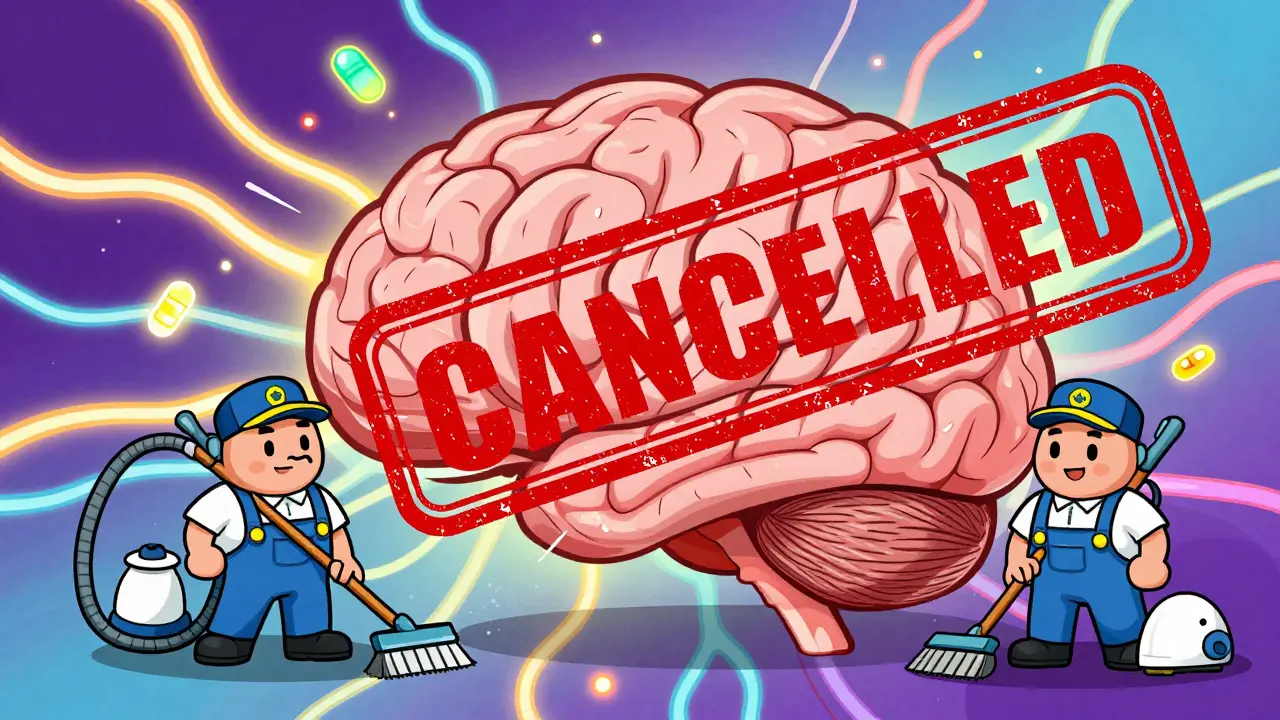
To understand why these interactions happen, you have to look at how these drugs work. Normally, the enzyme monoamine oxidase acts like a cleanup crew, breaking down excess chemicals in your brain. When you take an MAOI, you effectively fire the cleanup crew. This is great for lifting a deep depression, but it means that if you introduce something that boosts those same chemicals, they build up to toxic levels.
There are two main ways this goes wrong: a hypertensive crisis and serotonin syndrome. A hypertensive crisis is essentially a blood pressure explosion. When you consume tyramine (found in aged foods) or certain stimulants, your body releases a flood of norepinephrine. Because the MAOI has blocked the breakdown process, your blood pressure can jump by 50 to 100 mmHg in under two hours. We're talking about levels hitting 250 mmHg, which can lead to strokes or organ failure.
Then there is Serotonin Syndrome, which is a potentially life-threatening condition caused by an excessive accumulation of serotonin in the nervous system. It's not just "feeling jittery." Severe cases can push body temperatures above 106°F (41.1°C), leading to metabolic acidosis and muscle breakdown known as rhabdomyolysis. This usually happens when MAOIs are mixed with other serotonergic drugs, like certain painkillers or other antidepressants.
Common Medications That Trigger a Crisis
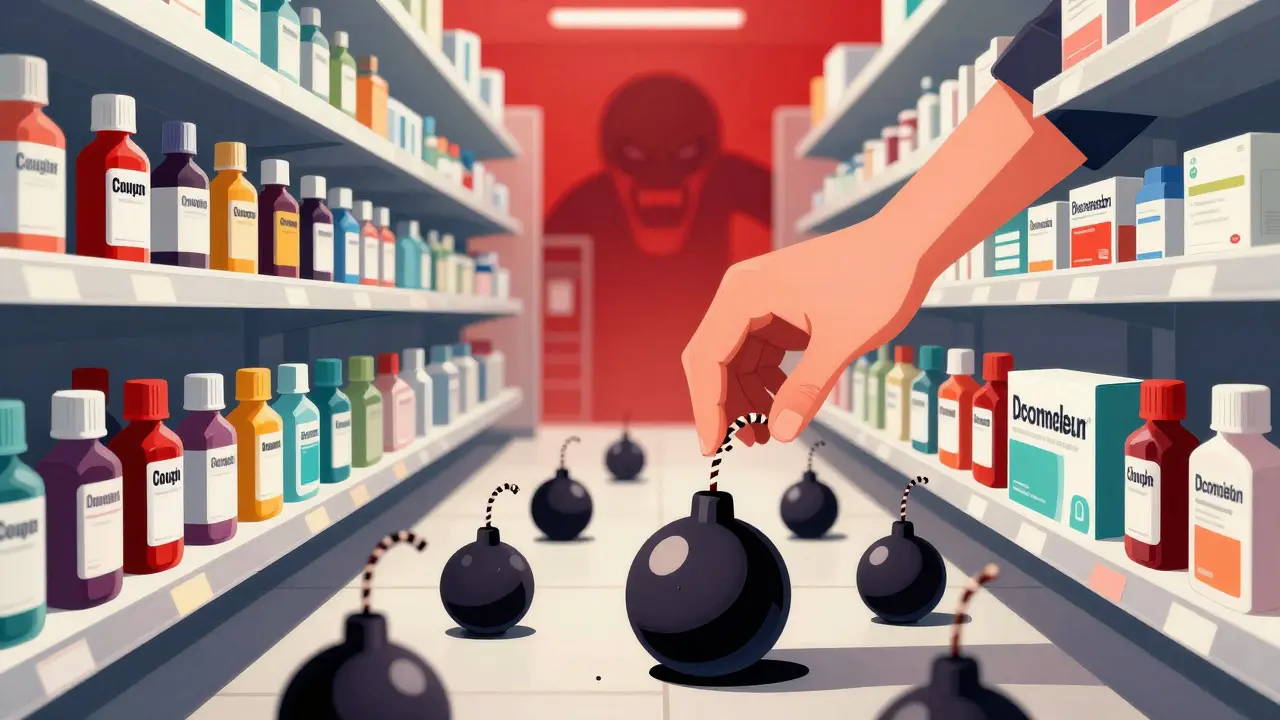
Many people assume that as long as they don't take other prescription antidepressants, they are safe. That is a dangerous misconception. Some of the most hazardous interactions come from the pharmacy aisle or the medicine cabinet.
First, look at your cold and flu remedies. Phenylephrine, a common decongestant, stimulates vascular receptors that can send your blood pressure skyrocketing when combined with MAOIs. Even more dangerous is Dextromethorphan, found in over 100 cough suppressants. There are documented cases of patients experiencing severe hyperthermia and agitation after just one 30mg dose while on an MAOI. If the bottle says "DM," be extremely cautious.
Pain management is another minefield. Certain opioids are strictly forbidden. Tramadol, meperidine, and methadone are absolutely contraindicated. Mixing tramadol with a drug like selegiline can lead to rapid respiratory failure and the need for emergency intubation. Even some antibiotics, specifically Linezolid, act as MAO inhibitors themselves, creating a "double-dose" effect that can trigger serotonin syndrome.
| Drug Class | Specific Examples | Primary Risk | Danger Level |
|---|---|---|---|
| Decongestants | Phenylephrine, Ephedrine | Hypertensive Crisis | Critical |
| Cough Suppressants | Dextromethorphan | Serotonin Syndrome | High |
| Opioid Painkillers | Tramadol, Meperidine | Serotonin Syndrome | Critical |
| Antibiotics | Linezolid | Serotonin Syndrome | High |
| Other Antidepressants | SSRIs (Fluoxetine, Citalopram) | Serotonin Syndrome | Critical |
The "Hidden" Triggers: Supplements and Diet
It's not just pharmacy drugs. Natural supplements can be just as lethal. Many people reach for St. John's Wort or 5-HTP to help with mood, but these are potent serotonergic agents. Combining 100mg of phenelzine with 200mg of 5-HTP has been known to cause blood pressure spikes of 220/110 mmHg and dangerously high fevers. Even ginseng has been linked to tremors and mania in MAOI patients.
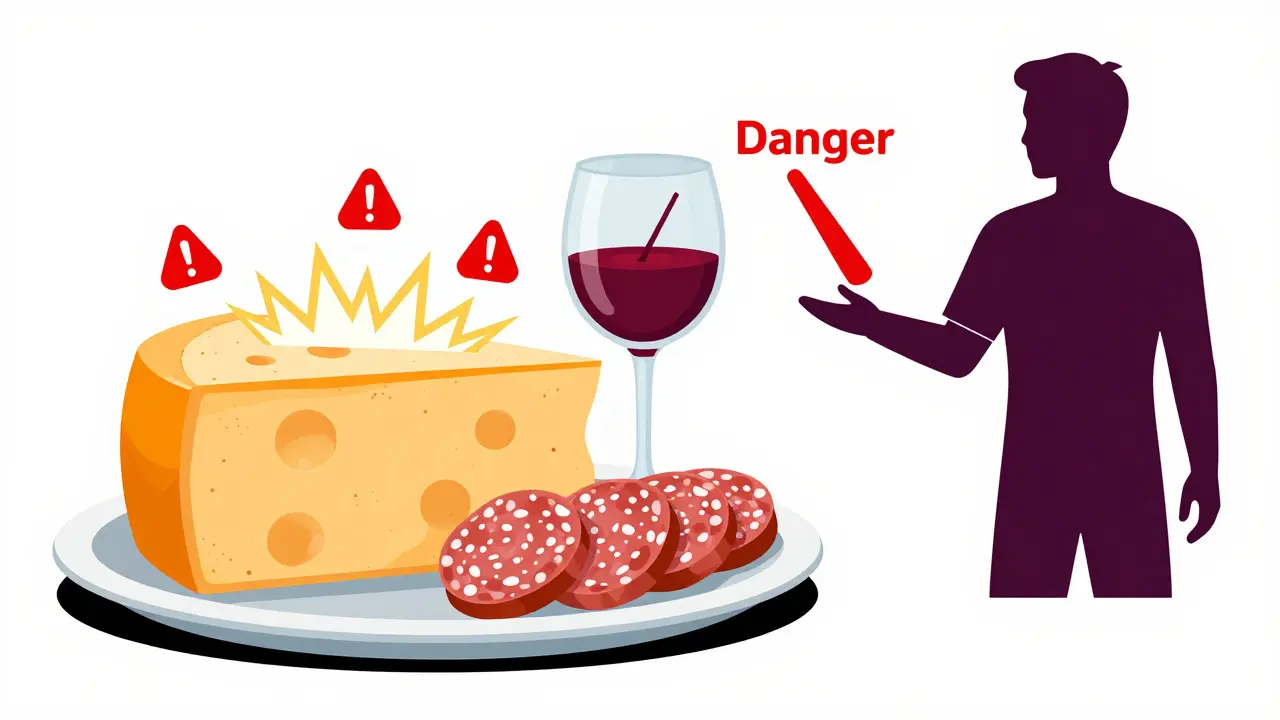
Then there is the "cheese effect." Tyramine is an amino acid that occurs naturally in foods as they age or ferment. When the MAO enzyme is blocked, tyramine enters the bloodstream and forces the release of norepinephrine. You have to be careful with:
- Aged Cheeses: Anything aged over 6 months, like sharp cheddar or gorgonzola.
- Cured Meats: Pepperoni, salami, and smoked meats.
- Fermented Soy: Soy sauce, miso, and tofu.
- Certain Drinks: Draft beers, Chianti, and other unfiltered wines.
A single ounce of strong aged cheese can contain 15mg of tyramine-more than enough to trigger a crisis in some people.
Managing the Risk Safely
If you are prescribed an MAOI, the most important thing is the "washout period." You cannot simply switch from an MAOI to an SSRI overnight. Because these drugs permanently disable enzymes, your body needs time to grow new ones. A 14-day break is the standard, but if you were on fluoxetine, you might need up to 5 weeks because that drug lingers in your system far longer than others.
Modern medicine has tried to make this safer. The Emsam patch (transdermal selegiline) is a game-changer at the 6mg/24hr dose. Because the drug is absorbed through the skin, it bypasses much of the initial breakdown in the gut, significantly reducing the risk of dietary interactions. This allows some patients to eat moderate amounts of tyramine without the constant fear of a hypertensive emergency.
Since many primary care doctors don't see MAOIs often, they might not remember every interaction. This is why carrying a wallet card listing your medication and its contraindications is a lifesaver. In an emergency room setting, that small piece of paper can be the difference between the right treatment and a fatal drug interaction.
Can I take Tylenol or Advil with MAOIs?
Generally, yes. Acetaminophen (Tylenol) and Ibuprofen (Advil/Motrin) do not typically interact with the MAO enzyme or serotonin levels. However, you must check the labels of "multi-symptom" versions of these drugs, as they often contain dextromethorphan or phenylephrine, which are dangerous.
How long does it take for a tyramine reaction to start?
A hypertensive crisis usually happens quickly, often within 30 to 120 minutes after eating a tyramine-rich food. Symptoms include a sudden, severe headache, nausea, and heart palpitations.
Is the dietary restriction permanent?
You must follow the diet as long as you are taking the medication and for about two weeks after your last dose. Once your enzymes have recovered, you can return to your normal diet.
Why are MAOIs rarely prescribed today?
The rise of SSRIs in the 1980s provided a much safer alternative with fewer dietary and drug restrictions. MAOIs are now typically reserved for patients who haven't responded to other antidepressants.
What should I do if I accidentally take a contraindicated drug?
Seek emergency medical attention immediately. If you feel a sudden, "thunderclap" headache or experience extreme shivering and confusion, call emergency services. These reactions can escalate into life-threatening emergencies within minutes.
Next Steps for Patients
If you are starting MAOI therapy, your first step is to audit your medicine cabinet. Throw away or lock up any multi-symptom cold medicines and check your vitamins for 5-HTP or St. John's Wort. Next, coordinate with your primary care doctor and any specialists to ensure they are aware of the prescription, as electronic health records are the primary defense against prescribing errors.
For those struggling with the strict diet, discuss the possibility of a transdermal patch with your psychiatrist. Depending on the dosage, this could offer a significant improvement in your quality of life while still treating your depression effectively.
Comments (14)
Rauf Ronald
April 9, 2026 AT 09:42This is a solid breakdown of the risks. One thing to add for anyone on these is to be incredibly careful with pseudoephedrine too, not just phenylephrine. Some "12-hour" cold meds are basically bombs if you're on an MAOI. Always keep that wallet card handy because ER docs usually just see SSRIs these days and might not even think to ask about MAOIs before giving you a standard cocktail of meds.
Ethan Davis
April 10, 2026 AT 11:45Funny how they push these "dangerous" warnings while the pharma companies make billions off the same chemicals. Just another way to keep us scared and dependent on their specific "safe" patches.
Christopher Cooper
April 10, 2026 AT 13:14It is truly fascinating how a simple dietary choice like a piece of cheese can fundamentally alter systemic blood pressure. The biochemical bridge between tyramine and norepinephrine is a perfect example of why personalized medicine is so critical. I wonder if there are newer enzyme replacement therapies that could mitigate this without requiring such a strict washout period.
Daniel Trezub
April 10, 2026 AT 19:45Actually, the "cheese effect" is a bit overstated for some of the newer MAOIs. I mean, obviously, don't go eat a whole wheel of gorgonzola, but people act like a single cracker will kill you. It's mostly just the really aged stuff that's the problem. But hey, keep playing it safe if it makes you feel better.
Benjamin cusden
April 12, 2026 AT 18:26The nuance regarding the Emsam patch is a basic pharmacological fact. Anyone with a rudimentary understanding of first-pass metabolism would know that bypassing the gut reduces the tyramine interaction. It is simply a matter of bioavailability and enzyme saturation in the intestinal wall.
jack hunter
April 13, 2026 AT 12:55who cares about cheese when the whole system is broken anyway... its all just chemcials in a botle and we are just lab rats in a gigeant experiment. probly dont even need a washout period if u just believe in natural healing lol
shelley wales
April 15, 2026 AT 03:51It can feel so overwhelming to manage all these restrictions, but remember that these medications often work when nothing else does. Be gentle with yourself while navigating the diet and don't hesitate to reach out to your support system if the isolation of the diet gets to you.
Sarabjeet Singh
April 16, 2026 AT 16:10Keep staying safe everyone.
Vivek Hattangadi
April 18, 2026 AT 05:07I totally agree with the point about auditing the medicine cabinet! It's such a practical first step. Maybe we could even make a checklist for others to use to make sure they didn't miss anything like the hidden dextromethorphan in those multi-symptom liquids. Let's keep helping each other stay safe while getting the treatment we need!
Michael Flückiger
April 19, 2026 AT 14:44This is so important!!! Please, please read the labels every single time!!! I can't stress enough how dangerous a "simple" cold pill can be!!! Stay vigilant!!!
Jamar Taylor
April 20, 2026 AT 17:01You've got this! Just take it one day at a time and keep that wallet card ready. It's just a bit of extra planning for a better quality of life.
dwight koyner
April 21, 2026 AT 23:00From a clinical perspective, the risk of serotonin syndrome is often underestimated by patients switching medications. The 14-day washout is non-negotiable. I have seen cases where patients attempted a 3-day switch and experienced severe autonomic instability. Please adhere strictly to the timeline provided by your psychiatrist to ensure your safety.
Rupert McKelvie
April 22, 2026 AT 15:44It is quite heartening to see such detailed warnings available. While the restrictions seem daunting, the effectiveness of these drugs for treatment-resistant cases is a beacon of hope for many who have suffered in silence for years.
charles mcbride
April 23, 2026 AT 23:09The level of detail here is quite impressive. It is truly a testament to the complexity of human biochemistry. I believe that with the right guidance and modern delivery methods like the patch, many can successfully manage these risks and find the mental stability they deserve.