
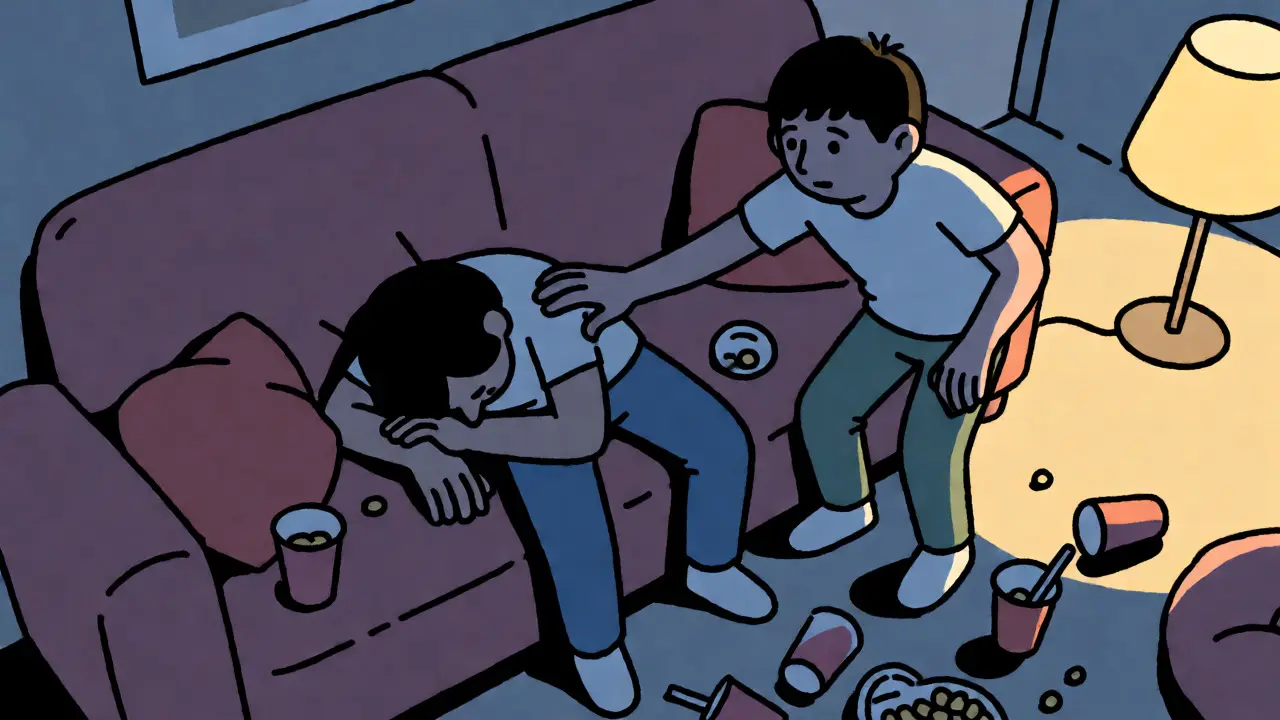
You’re at a party, or maybe just hanging out with friends, and someone slumps over. You shake them. Nothing. You shout their name. Still nothing. Their breathing looks weird-maybe too slow, maybe not happening at all. Panic sets in. Is it alcohol? A bad trip? Or is this an opioid overdose? If you don’t act fast, the outcome could be fatal. But here’s the good news: you can save a life right now, without being a doctor. The key is knowing what to look for and having Naloxone (often known by the brand name Narcan) on hand.
This isn’t just about statistics, though they are grim. In the UK alone, drug poisoning deaths remain high, with opioids playing a major role. Globally, the crisis has evolved. Synthetic opioids like fentanyl have made overdoses faster and more deadly. Understanding how to recognize the signs and administer reversal medication is no longer just for paramedics-it’s a vital skill for anyone who might witness an overdose.
The Science Behind the Silence
To understand why an overdose kills, you need to know what opioids do to your brain. They bind to specific receptors, particularly the mu-opioid receptors in the brainstem. This area controls automatic functions, most importantly, breathing. When too many opioids flood these receptors, they essentially tell your brain to stop sending signals to your lungs. This condition is called respiratory depression.
Normal breathing rates for adults sit between 12 and 20 breaths per minute. In an opioid overdose, that rate drops drastically. We’re talking fewer than 8 breaths per minute, or sometimes just one breath every few seconds. Without oxygen, your brain starts to suffer damage within four minutes. That’s why speed matters so much. It’s not just about waking someone up; it’s about restoring oxygen flow before permanent injury occurs.
How to Spot an Opioid Overdose
People often confuse sleep with unconsciousness. How do you know if someone is just passed out from drinking or actually overdosing? Look for the classic triad of symptoms. First, check for unresponsiveness. Try shaking their shoulders firmly and shouting their name. If there’s no reaction, move to the next step.
Second, check their breathing. Tilt their head back slightly and lift their chin. Look, listen, and feel for breath for no more than 10 seconds. If you see less than two breaths in 15 seconds, or if their breathing sounds like gurgling or snoring, that’s a red flag. Third, look at their pupils. Opioids cause pinpoint pupils-tiny black dots in the center of the eye, even in dim light.
| Symptom | Opioid Overdose | Stimulant Overdose (e.g., Cocaine) |
|---|---|---|
| Breathing Rate | Slow or stopped (<8/min) | Rapid or labored (>24/min) |
| Pupils | Pinpoint (very small) | Dilated (large) |
| Skin Color | Blue, purple, gray, or ashen | Flushed or pale/sweaty |
| Body Temperature | Cold and clammy | High fever possible |
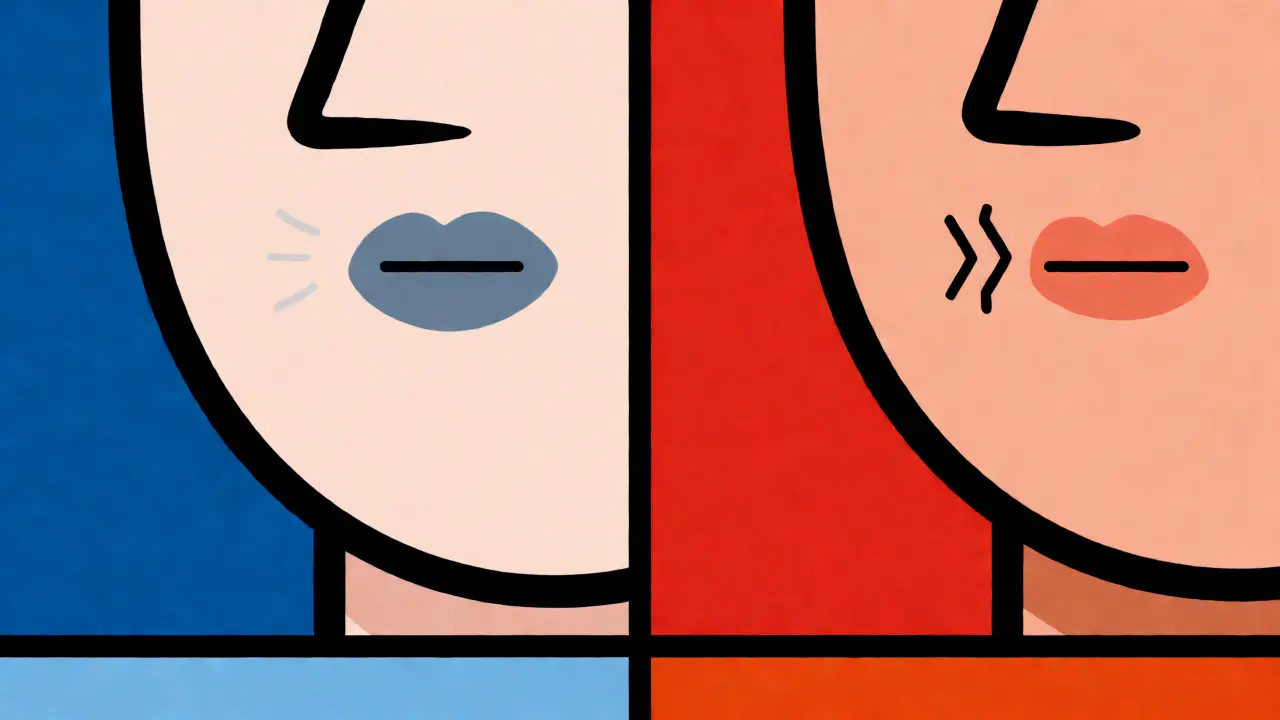
Another critical sign is cyanosis. This is when lips, fingernails, or skin turn blue, purple, or gray due to lack of oxygen. For people with darker skin tones, this might appear as a grayish or ashen color rather than bright blue. Don’t wait for perfect conditions. If you suspect an opioid overdose, treat it as such immediately.
Naloxone: The Reversal Agent
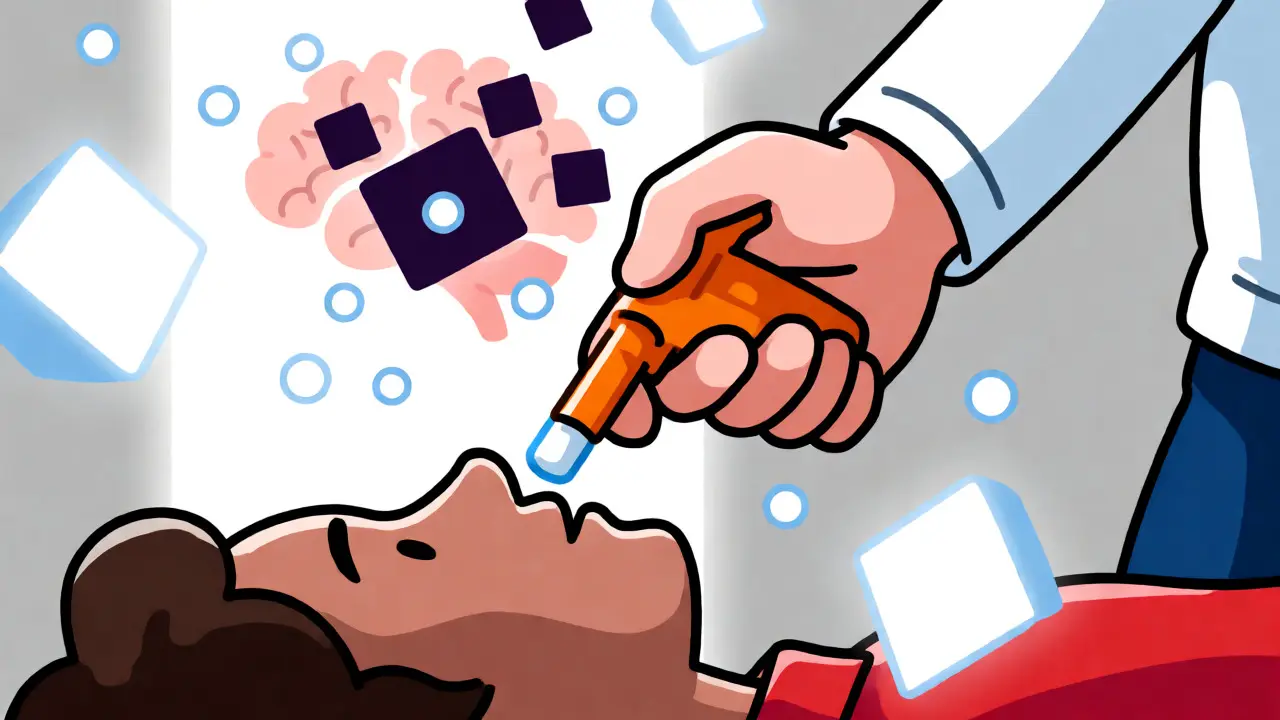
Naloxone is an opioid antagonist. Think of it as a competitive blocker. It binds to those same opioid receptors in the brain but doesn’t activate them. Instead, it knocks the opioids off the receptors, allowing normal breathing to resume. It works fast-usually within 2 to 5 minutes when given intramuscularly or intranasally.
Naloxone is remarkably safe. If you give it to someone who isn’t overdosing on opioids, it does nothing. There are no harmful side effects for non-opioid users. This safety profile means you should never hesitate to use it if you’re unsure. It’s better to reverse a deep sleep than to miss a fatal overdose.
Availability has improved significantly. In the US, it’s available over-the-counter in all states. In the UK, while traditionally prescription-only, community harm reduction services and some pharmacies now provide it freely or at low cost. Common forms include nasal sprays (like Narcan) and auto-injectors (like Evzio). Nasal sprays are generally easier for bystanders to use because they require no needle skills.
Step-by-Step Emergency Response
When you spot the signs, follow these steps immediately. Do not delay to gather more information.
- Call for Help: Dial 999 (UK) or 911 (US) immediately. Tell the dispatcher you suspect an opioid overdose. Stay on the line if possible.
- Administer Naloxone: If using a nasal spray, insert the nozzle into one nostril and press the plunger firmly. If using an auto-injector, press it against the outer thigh through clothing. Hold for the specified time (usually 5-10 seconds).
- Rescue Breathing: While waiting for the naloxone to work, provide rescue breaths if the person isn’t breathing normally. Tilt the head back, lift the chin, pinch the nose, and give one breath every 5 seconds. Watch for chest rise.
- Monitor and Repeat: Wait 2-3 minutes. If there’s no improvement in breathing or responsiveness, administer a second dose. Some potent opioids like fentanyl may require multiple doses.
- Recovery Position: Once the person starts breathing on their own, roll them onto their side. This prevents choking if they vomit, which is common during withdrawal induced by naloxone.
A crucial mistake people make is leaving after the person wakes up. Naloxone wears off in 30 to 90 minutes. Many opioids, especially long-acting ones or synthetic variants like fentanyl, last longer. The person can slip back into overdose once the naloxone fades. Always ensure they get medical evaluation, even if they seem fine.
Common Pitfalls and Myths
There are dangerous myths surrounding overdose response. One is the idea of putting someone in a cold shower or bathtub to “sober them up.” This is risky. An unconscious person can drown easily. Another myth is giving coffee or stimulants. These don’t counteract respiratory depression and can increase heart strain.
Fear of legal repercussions also stops people from calling for help. In many jurisdictions, Good Samaritan laws protect individuals who seek medical assistance for an overdose victim from prosecution for simple drug possession. Check your local laws, but generally, saving a life outweighs minor legal risks. Remember, polysubstance use is common. Someone might have taken opioids mixed with alcohol or benzodiazepines. Naloxone only reverses opioids, but it’s still the first line of defense because respiratory failure is the immediate killer.
Preparation is Key
Don’t wait until an emergency to figure out how to use naloxone. Practice with trainer kits, which are often free from harm reduction organizations. Keep naloxone in accessible places: your bag, your car, near your front door. Store it away from extreme heat, as temperatures above 40°C (104°F) can degrade the medication.
Consider carrying a kit if you know someone at risk, or if you live in an area with high overdose rates. Training takes less than 30 minutes. Skills retention remains high months after training. By being prepared, you transform from a panicked bystander into a capable first responder.
Does naloxone hurt if the person isn't overdosing?
No. Naloxone has no effect on people who haven't taken opioids. It is completely safe to administer if you are unsure whether the person is overdosing on opioids or another substance. The worst-case scenario is that it does nothing.
Why did the person wake up aggressive or confused?
Naloxone rapidly removes opioids from the body's system. This throws the person into sudden, acute withdrawal. Symptoms include agitation, nausea, vomiting, sweating, and anxiety. This is uncomfortable but temporary. Ensure they are in a safe environment and stay with them until emergency services arrive.
Can I use naloxone on children?
Yes, naloxone can be used on infants and children experiencing opioid overdose. However, dosing may differ depending on the product and the child's weight. Always consult the specific product instructions or call emergency services for guidance. In many cases, standard pediatric doses are lower than adult doses.
How long does naloxone last compared to opioids?
Naloxone typically lasts 30 to 90 minutes. Many opioids, especially synthetic ones like fentanyl or methadone, can last several hours. This discrepancy means the person can fall back into overdose after the naloxone wears off. Continuous monitoring and professional medical care are essential.
What if the person doesn't respond to the first dose?
Wait 2 to 3 minutes. If there is no improvement in breathing or consciousness, administer a second dose. Continue rescue breathing if necessary. Some potent opioids require multiple doses to fully displace the drugs from the receptors. Never assume the first dose was enough if the person remains unresponsive.