
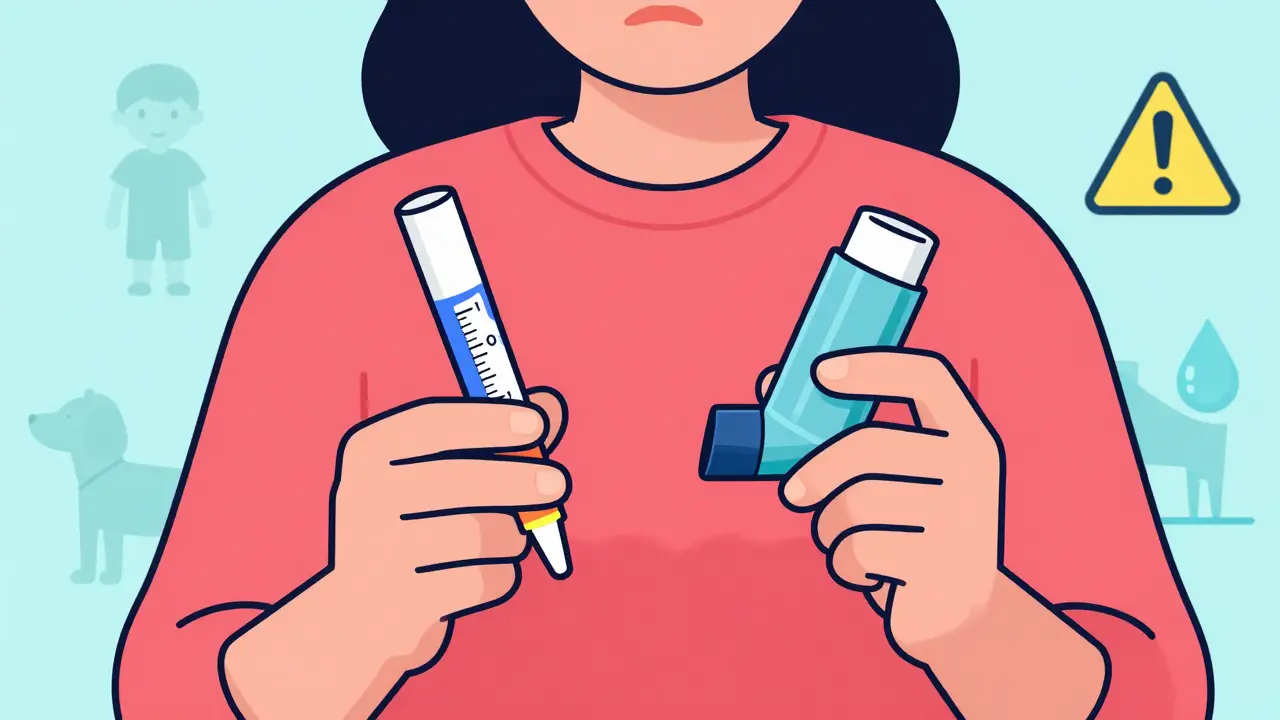
You check the date on your emergency medication, and it’s past due. Maybe it’s an EpiPen sitting in your glovebox, a half-used metered-dose inhaler for asthma, or a leftover nicotine patch from last winter. It feels harmless to just toss them in the trash, but that simple act can put kids, pets, sanitation workers, and the environment at risk. These aren’t ordinary household items; they contain potent drugs, pressurized gases, or sharp needles. Disposing of them incorrectly is illegal in many places and dangerous everywhere.
The good news? You don’t need to be a hazmat expert to handle this right. There are clear, safe ways to get rid of these items without exposing yourself to risk. Whether you live in a city with drop-off bins or a rural area with limited options, there’s a protocol that works. Let’s break down exactly how to dispose of each type of device safely and legally.
Key Takeaways
- EpiPens are classified as sharps because of their needles. Never throw them loose in the trash. Use a puncture-proof container or a pharmacy take-back program.
- Inhalers are pressurized aerosol cans. They can explode if crushed or incinerated. Check local recycling rules or use specialized hazardous waste drop-offs.
- Medicated patches often contain residual drugs. Fold sticky sides together and seal them. Some high-risk patches (like fentanyl) must be flushed immediately per FDA guidelines.
- Take-back events are the safest option. The DEA hosts National Prescription Drug Take Back Days twice a year, and many pharmacies accept returns daily.
- State laws vary. Always check your local regulations before disposing of medical waste at home.
Why Proper Disposal Matters
It’s easy to overlook the danger of expired medicine. After all, if it’s too old to work, isn’t it useless? Not quite. An expired epinephrine auto-injector still contains epinephrine, a powerful hormone that affects heart rate and blood pressure. If a child or pet finds it, even a small exposure can cause serious harm. According to the FDA, accidental pediatric poisonings involving improperly discarded medications account for a significant portion of emergency room visits.
Then there’s the environmental angle. When drugs end up in landfills or sewage systems, they leach into waterways. Studies have found pharmaceutical residues in 80% of sampled U.S. waterways. These chemicals can disrupt aquatic ecosystems and even affect human health through drinking water sources. Plus, some devices, like inhalers, contain propellants that contribute to greenhouse gas emissions if not handled correctly.
Finally, there’s the legal side. Many states classify certain medical devices as hazardous waste. Throwing them in regular trash can violate local ordinances, leading to fines or other penalties. Knowing the right way to dispose of these items protects you, your community, and the planet.
How to Dispose of Expired EpiPens
An EpiPen is more than just a plastic tube-it’s a medical sharp. The needle inside remains hazardous long after the drug expires. That means you can’t just toss it in the recycling bin or leave it on the counter. Here’s what you should do instead:
- Use a Sharps Container. The gold standard is a FDA-approved sharps container. These are rigid, puncture-proof boxes designed specifically for needles and auto-injectors. You can buy them at most pharmacies or online for $5-$15.
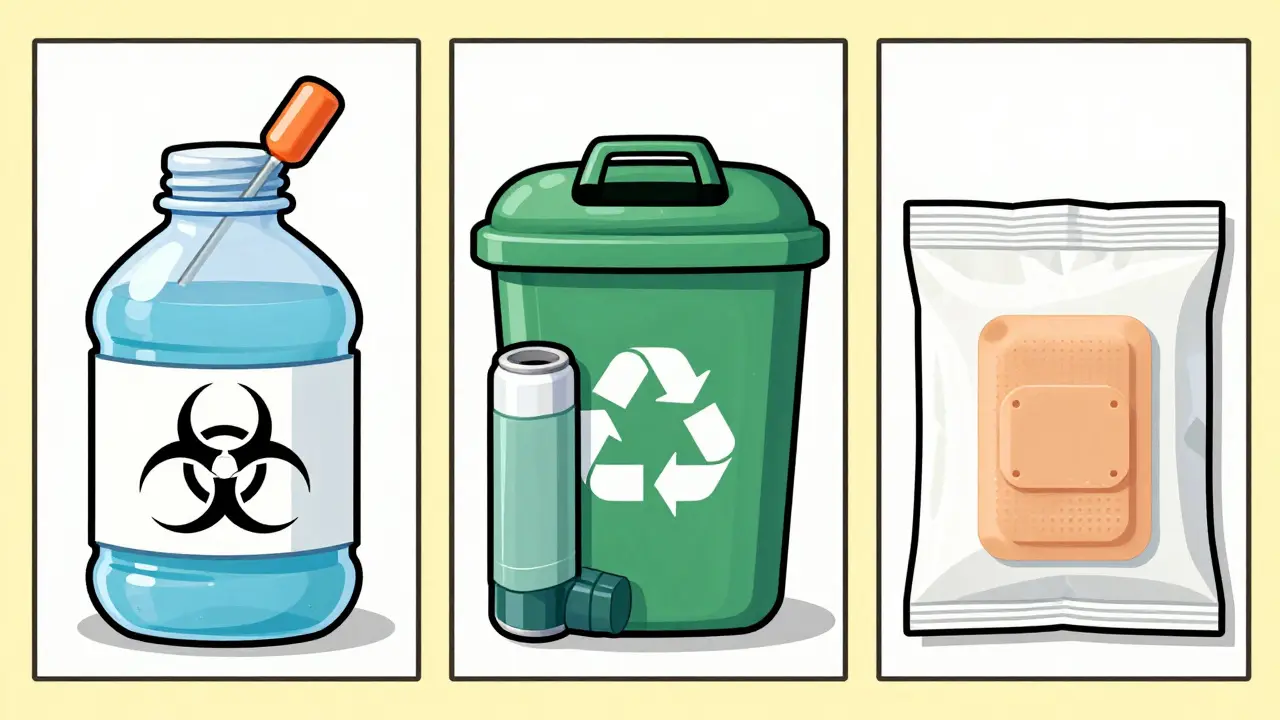
- DIY Alternative. If you can’t find a commercial container, use a heavy-duty plastic bottle, like a laundry detergent jug. Make sure it has a tight-fitting lid. Label it clearly with “BIOHAZARD,” “SHARPS,” and “DO NOT RECYCLE.”
- Don’t Dismantle It. Never try to remove the needle or battery from an EpiPen. Devices like the Auvi-Q contain lithium batteries that can leak or ignite if tampered with. Leave it intact.
- Find a Drop-Off Location. Most hospitals, clinics, and large pharmacies (like CVS or Walgreens) have sharps disposal kiosks. You can also search for DEA-designated take-back sites using the DEA locator tool.
- Check State Laws. In California, you must use designated collection centers or mail-back programs. Texas allows disposal in household trash if properly contained and labeled. Always verify your state’s rules.
If you’re getting a new prescription, ask your doctor’s office if they’ll take back the old one. Many providers have sharps bins specifically for this purpose.
How to Dispose of Expired Inhalers
Inhalers are tricky because they’re essentially small aerosol cans. A metered-dose inhaler (MDI) contains medication suspended in a pressurized gas. If you crush it, puncture it, or throw it in a fire, it can explode. Even empty-looking inhalers may retain enough pressure to be dangerous.
Here’s how to handle them:
- Read the Label First. The FDA requires manufacturers to include disposal instructions on the packaging. Look for warnings about heat, fire, or crushing.
- Empty the Canister Completely. Before disposal, make sure no medication remains. Actuate the inhaler until no mist comes out. Do this outdoors or in a well-ventilated area.
- Check Local Recycling Rules. Some municipalities accept empty inhalers in curbside recycling, but only if they’re completely empty and free of liquid. New York City, for example, has special aerosol collection sites.
- Use Hazardous Waste Programs. If your local trash service doesn’t accept inhalers, look for Household Special Waste Drop-Off Sites. These facilities handle pressurized containers safely.
- Avoid Regular Trash. Unless explicitly allowed by your city, don’t throw inhalers in the general waste stream. They pose explosion risks during compaction or incineration.
About 300 million inhalers are discarded annually in the U.S., and improper disposal contributes significantly to greenhouse gas emissions. By choosing the right method, you help reduce that footprint.
How to Dispose of Expired Medicated Patches
Medicated patches-whether for pain, nicotine, or hormones-are different from pills or liquids. The adhesive surface holds onto active ingredients, meaning even used patches can deliver a dose if touched or ingested. This makes them particularly risky around children and pets.
Follow these steps for safe disposal:
- Fold Sticky Sides Together. Immediately after removal, fold the patch so the adhesive surfaces stick to each other. This prevents accidental contact with the drug residue.
- Seal in a Bag or Container. Place the folded patch in a sealed plastic bag or an unused pill bottle. This adds an extra layer of protection.
- Check the Flush List. The FDA maintains a list of medications that should be flushed down the toilet if unused or expired. Fentanyl patches are on this list because of their high potency and abuse potential. If your patch isn’t on the flush list, proceed to the next step.
- Mix with Unpleasant Substances. For non-flushable patches, mix them with coffee grounds, cat litter, or dirt in a sealed container. This deters scavengers and masks any remaining scent.
- Dispose in Household Trash. Once mixed and sealed, you can throw the container in your regular trash. Just ensure it’s out of reach of kids and animals until pickup day.
Note: Don’t use DisposeRx packets for patches. These gel-based disposal kits work great for pills but aren’t effective for transdermal devices.
Best Options: Take-Back Programs vs. Home Disposal
While home disposal methods exist, experts strongly recommend using take-back programs whenever possible. Why? Because they eliminate guesswork and ensure professional handling.
| Method | Safety Level | Convenience | Environmental Impact | Best For |
|---|---|---|---|---|
| Pharmacy/Hospital Drop-Off | High | Medium | Low | EpiPens, Inhalers, Patches |
| DEA Take-Back Events | Very High | Low (scheduled dates) | Lowest | All types, especially controlled substances |
| Home Sharps Container + Trash | Medium | High | Medium | EpiPens only (if no drop-off available) |
| Mixing with Coffee Grounds | Medium | High | Medium-High | Pills, capsules (not patches or sharps) |
| Flushing (FDA Flush List Only) | High (for specific drugs) | High | High (water contamination) | Fentanyl patches, certain opioids |
The DEA’s National Prescription Drug Take Back Day happens twice a year, usually in April and October. In 2022, over 985,000 pounds of medications were collected nationwide. If you miss those dates, many law enforcement agencies and pharmacies offer permanent drop-boxes.
For rural residents, access can be harder. A 2022 study found only 37% of rural counties had permanent disposal locations compared to 89% of urban areas. In these cases, consider saving up multiple items and making a trip to a nearby city or using mail-back services offered by companies like Sharps.com.
Common Mistakes to Avoid
Even well-meaning people make errors when disposing of medical waste. Here are the most frequent pitfalls:
- Throwing EpiPens Loose in Trash. Sanitation workers can get stuck by exposed needles. Always use a container.
- Recycling Pressurized Inhalers Without Emptying Them. Recycling plants aren’t equipped to handle explosions. Ensure the canister is fully depleted first.
- Leaving Patch Adhesives Exposed. Kids might peel off a discarded patch thinking it’s candy. Always fold and seal.
- Ignoring State Regulations. What’s legal in one state might be prohibited in another. Check local laws before acting.
- Assuming All Pharmacies Accept Everything. Not every store takes back sharps or inhalers. Call ahead or check their website.
A 2023 Consumer Reports survey revealed that 73% of users were unaware of state-specific disposal rules. Knowledge is power here-take five minutes to research your local guidelines.
When to Flush vs. When to Throw Away
This is where confusion often arises. Should you flush your meds or throw them away? The answer depends on the substance.
The FDA publishes a flush list containing 15 high-risk medications that pose immediate danger if misused. These include fentanyl patches, oxycodone, and morphine. If your item is on this list, flushing is actually the recommended action to prevent accidental ingestion.
For everything else-including most EpiPens, inhalers, and nicotine patches-flushing is discouraged. Instead, opt for take-back programs or proper containment followed by trash disposal.
Remember: Flushing introduces drugs directly into water treatment systems, which may not fully remove them. This harms aquatic life and potentially enters our food chain. Reserve flushing strictly for items on the FDA’s official list.
Staying Prepared: Monthly Checks and Storage Tips
Prevention starts with organization. Set a calendar reminder to check expiration dates monthly. Keep a dedicated drawer or box for emergency meds so nothing gets forgotten in a junk drawer or car console.
Store EpiPens at room temperature (68°F-77°F). Extreme heat or cold can degrade the epinephrine faster. Similarly, keep inhalers away from direct sunlight and moisture. Patches should remain sealed until use.
If you travel frequently, carry a small sharps container for used needles. Many airports allow medically necessary sharps in carry-on luggage with proper declaration.
Frequently Asked Questions
Can I throw an expired EpiPen in the regular trash?
No, you should never throw an EpiPen loose in the regular trash. Because it contains a needle, it is classified as a sharp. You must place it in a puncture-proof container, such as an FDA-approved sharps container or a heavy-duty plastic bottle labeled "BIOHAZARD." Then, dispose of the container at a designated drop-off location like a pharmacy, hospital, or hazardous waste facility. Some states allow disposal in household trash if the container is securely sealed and labeled, but check your local laws first.
Do I need to empty my inhaler before throwing it away?
Yes, you should always empty the inhaler completely before disposal. Actuate the device until no mist or spray comes out. This ensures that the pressurized canister is truly empty, reducing the risk of explosion during recycling or landfill processing. However, even empty inhalers should not go into curbside recycling unless your municipality explicitly allows it. Contact your local waste management authority for specific instructions.
Should I flush my expired nicotine patch?
Generally, no. Nicotine patches are not on the FDA’s flush list. Instead, fold the patch in half with the sticky sides together, seal it in a plastic bag or unused pill bottle, and throw it in the household trash. If you want extra caution, mix it with coffee grounds or cat litter first. Flushing is reserved for high-risk medications like fentanyl patches, which pose an immediate danger if accessed by others.
Where can I find a drug take-back location near me?
You can find authorized collectors using the DEA’s online locator tool at deadiversion.usdoj.gov. Additionally, major pharmacy chains like CVS and Walgreens often participate in take-back programs. You can also check with local hospitals, police stations, or county health departments. During National Prescription Drug Take Back Days (usually April and October), hundreds of additional temporary sites open across the country.
Is it illegal to dispose of medical waste in the trash?
It depends on your state and local regulations. In many jurisdictions, discarding sharps (like EpiPens) or controlled substances in the trash without proper containment is illegal and can result in fines. States like California have strict laws requiring use of designated collection centers. Other states may allow trash disposal if items are properly sealed and labeled. Always consult your local health department or waste management agency to understand the legal requirements in your area.
What if I live in a rural area with no drop-off sites?
If you’re in a rural area, consider using a mail-back sharps disposal kit. Companies like Sharps.com or Safe-T-Sharp offer prepaid containers that you fill and send via USPS. Another option is to save up your medical waste and make a periodic trip to the nearest city with a hazardous waste facility. You can also contact your county health department-they may have resources or partnerships for remote residents.
Can I recycle the plastic parts of an EpiPen?
No, you cannot recycle the plastic parts of an EpiPen separately. The entire device must be treated as a sharp because the needle is integrated into the mechanism. Attempting to dismantle it is dangerous and unnecessary. Place the whole unit in a sharps container and dispose of it through approved channels. Recycling facilities are not equipped to handle contaminated medical plastics.
How do I know if a medication is on the FDA flush list?
The FDA maintains an updated list of medications that should be flushed down the toilet if unused or expired. This list includes high-risk drugs like fentanyl, oxycodone, and hydromorphone. You can view the current list on the FDA’s website under "Medication Guides." If your medication is not on this list, do not flush it. Instead, use a take-back program or follow home disposal guidelines for non-controlled substances.