
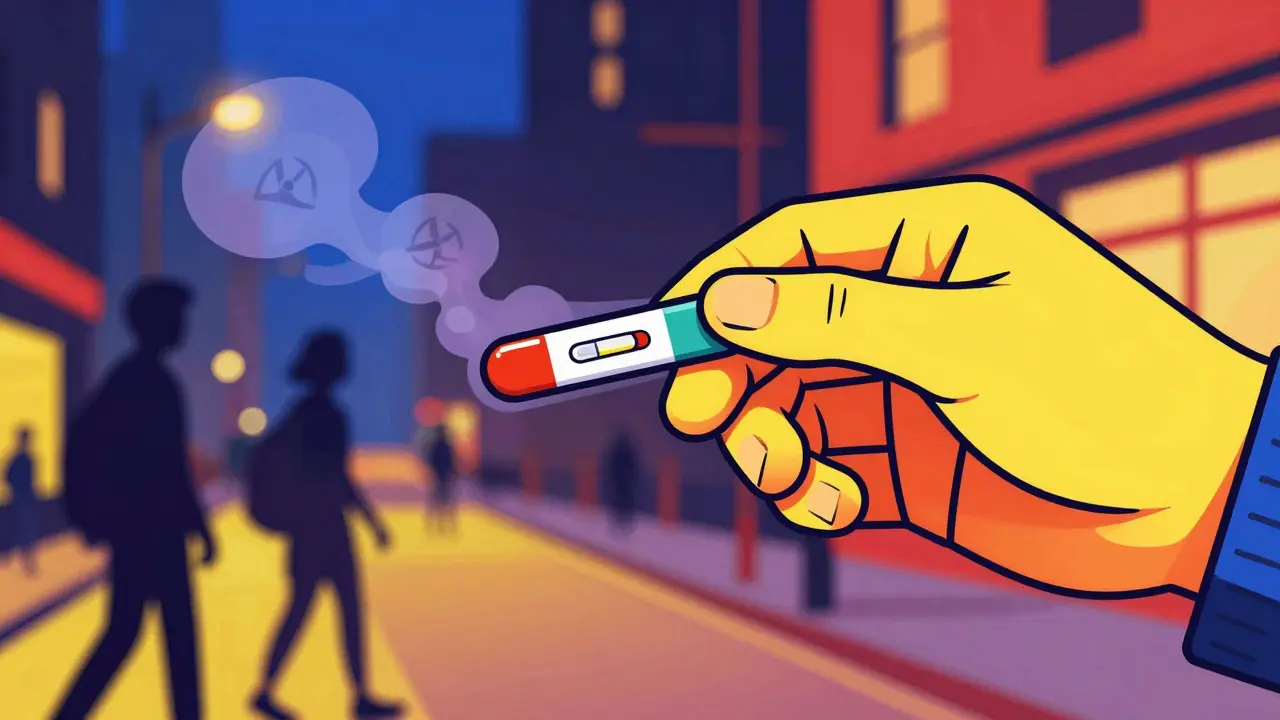
Overdose is not just a statistic; it is a daily reality for millions of people living with Substance Use Disorders (SUDs) and their communities. The crisis has shifted dramatically over the last two decades, moving from prescription pills to illicitly manufactured fentanyl, which is now involved in roughly 80% of opioid-related deaths. If you are looking for ways to protect yourself or someone you care about, understanding the tools available today is the first step toward survival. This guide breaks down evidence-based strategies that work, from carrying life-saving medication to navigating treatment options.
Understanding the Current Landscape
To prevent overdose, we first need to understand what we are up against. The drug supply today is unpredictable and often far more potent than in previous years. According to data from the Centers for Disease Control and Prevention (CDC), over 750,000 people died from drug overdoses in the United States between 1999 and 2019, and those numbers continue to rise. The primary driver is synthetic opioids, particularly fentanyl, which is 50 to 100 times more potent than morphine.
The danger lies in the inconsistency of the street drug supply. A person might use the same amount of a substance they have used before, but if that batch contains fentanyl or other potent contaminants like xylazine (a veterinary sedative not reversed by standard overdose meds), the risk of fatal respiratory depression skyrockets. Polysubstance use-mixing opioids with stimulants like cocaine or methamphetamine-is also common, complicating the physiological response and making overdose harder to predict.
The Power of Naloxone Distribution
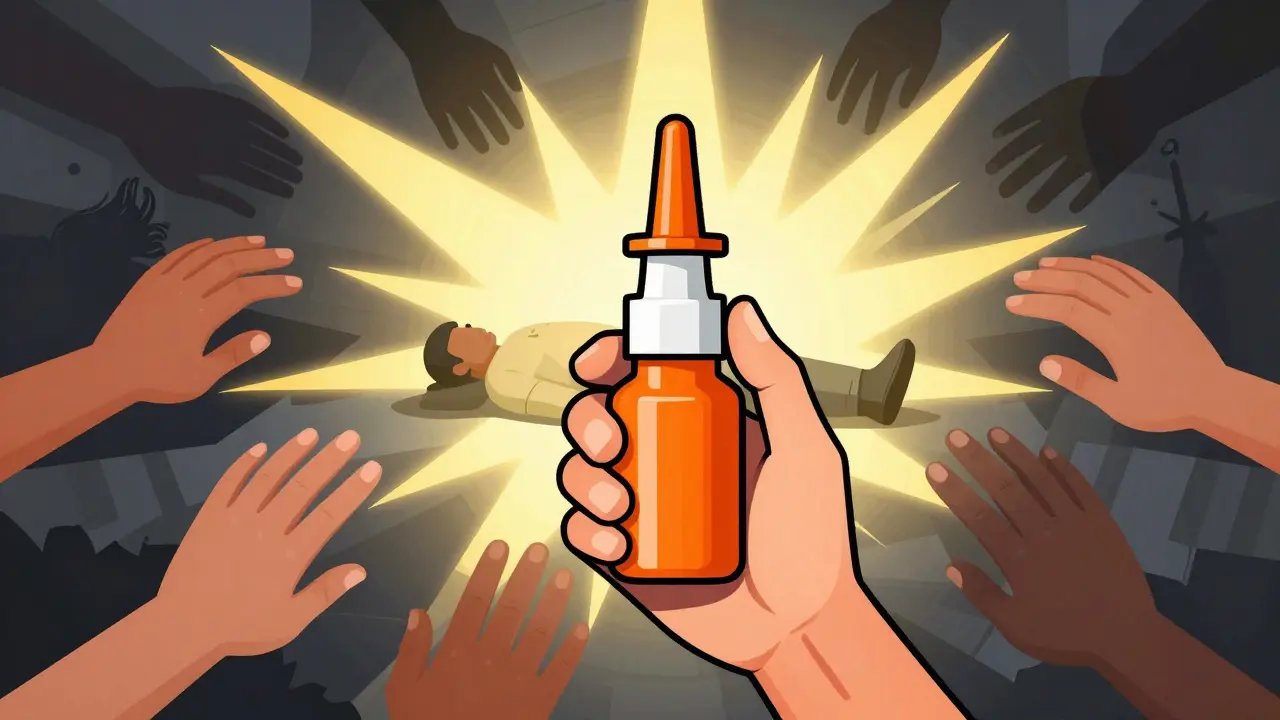
Naloxone is the most critical tool in overdose prevention. It is an opioid antagonist, meaning it binds to opioid receptors in the brain and blocks the effects of opioids, effectively reversing an overdose within minutes. Brands like Narcan and Kloxxado are widely available, and as of March 2023, the FDA approved the first over-the-counter version of Narcan, removing the need for a prescription.
You do not need medical training to use it. Studies show that 96% of individuals trained in basic naloxone administration successfully reverse overdoses. The intranasal spray is designed for ease of use: remove the foil seal, insert the nozzle into one nostril, and press firmly while holding the other nostril closed. One dose may not be enough if the person has ingested a large amount of fentanyl; be prepared to administer additional doses every 2-3 minutes until emergency services arrive. Carrying naloxone is not enabling drug use; it is buying time for professional help to arrive.
Fentanyl Test Strips: Checking Your Supply
If you cannot eliminate the presence of fentanyl, you can detect it. Fentanyl test strips (FTS) are small paper strips that can detect the presence of fentanyl in various substances, including powders, pills, and injectables. They work similarly to pregnancy tests, showing a line if the test is valid, regardless of whether fentanyl is present. If no second line appears, fentanyl is likely present at concentrations as low as 0.25-1.0 nanograms.
Using these strips requires minimal instruction but benefits from understanding their limitations. They provide a snapshot of the sample tested, not the entire batch. A negative result does not guarantee safety, as fentanyl may not be evenly distributed. However, a positive result allows users to make informed decisions, such as using less, using with someone else, or avoiding the substance entirely. Harm reduction organizations emphasize that testing is a proactive step that empowers individuals to manage their risk in real-time.
Medication-Assisted Treatment (MAT)
Prevention is not just about acute intervention; it is about long-term stability. Medication-Assisted Treatment (MAT), also known as Medications for Opioid Use Disorder (MOUD), is the gold standard for treating opioid addiction. The World Health Organization reports that opioid agonist maintenance treatment reduces overdose mortality by 50%. There are three FDA-approved medications:
- Methadone: Available since 1947, this full opioid agonist stabilizes patients without producing a high. It must be dispensed through specialized clinics due to strict regulations.
- Buprenorphine: Approved in 2002, this partial opioid agonist has a ceiling effect on respiratory depression, making it safer in terms of overdose risk. It can be prescribed by qualified doctors in office settings.
- Naltrexone: Approved for opioid use disorder in 2010, this opioid blocker prevents the euphoric effects of opioids if they are used. It is non-addictive and has no abuse potential.
Despite its effectiveness, access remains a barrier. Only about 18% of U.S. counties have adequate access to all three medications, creating "treatment deserts" especially in rural areas. Expanding access to MAT is considered the single most effective clinical intervention for preventing overdose deaths among people with opioid use disorder.

Safety Planning and Community Resources
Individual actions are powerful, but community support amplifies them. Creating a personal safety plan is a structured way to reduce risk. This includes identifying triggers, having naloxone accessible, and establishing a buddy system. The "Never Use Alone" hotline, operational since 2020, provides real-time monitoring during substance use events. Operators stay on the line with the user and can dispatch emergency services if there is no response. In October 2023, the service reported notifying operators of approximately 12,000 overdose incidents monthly, highlighting the scale of reliance on this resource.
Community education programs also play a vital role. New York State’s mandate for overdose prevention education, provided to individuals regardless of diagnosis, has been linked to a 37% reduction in fatal overdoses in participating communities. These programs teach bystanders how to recognize signs of overdose-such as pinpoint pupils, slow breathing, and unresponsiveness-and how to respond calmly and effectively.
| Strategy | Type | Effectiveness/Data | Accessibility |
|---|---|---|---|
| Naloxone | Acute Reversal | 96% success rate when administered correctly | High (OTC available) |
| Fentanyl Test Strips | Detection | Detects fentanyl at low concentrations | Moderate (Harm reduction centers) |
| Medication-Assisted Treatment | Long-term Management | Reduces overdose mortality by 50% | Low-Moderate (Access varies by region) |
| Never Use Alone Hotline | Monitoring | Handles ~12,000 incidents/month | High (Phone/App based) |
Addressing Barriers and Stigma
Even with these tools, barriers persist. Stigma remains a significant obstacle, with 41% of people with SUDs avoiding treatment due to fear of judgment. Geographic disparities also affect outcomes; rural counties experience 30% higher overdose mortality rates despite having fewer treatment facilities. Additionally, the evolving nature of the drug supply introduces new challenges, such as xylazine, which is not reversed by naloxone. This highlights the need for comprehensive harm reduction approaches that include clean syringe programs, safe consumption spaces, and robust mental health support.
Funding plays a crucial role in sustaining these efforts. Federal funding for state overdose prevention programs increased from $100 million in 2016 to $1.5 billion in 2023. Continued investment is essential to expand access to MAT, distribute naloxone, and support community-based initiatives. Without sustained policy support and funding, the gains made in overdose prevention could be lost.
What are the signs of an opioid overdose?
Common signs include pinpoint pupils, slow or stopped breathing, choking or gurgling sounds, limp muscles, pale or clammy skin, and inability to wake up. If you suspect an overdose, call emergency services immediately and administer naloxone if available.
Can I get in trouble for calling 911 during an overdose?
Many states have Good Samaritan laws that protect callers from prosecution for minor drug offenses when seeking emergency help for an overdose. Check your local laws, but saving a life should always be the priority.
How long does naloxone last?
Naloxone typically lasts 30 to 90 minutes. Since some opioids last longer, the person may slip back into overdose after the naloxone wears off. Continuous monitoring and multiple doses may be necessary until emergency medical help arrives.
What is the difference between Methadone and Buprenorphine?
Methadone is a full opioid agonist that must be taken at specialized clinics. Buprenorphine is a partial agonist with a ceiling effect on respiratory depression, allowing it to be prescribed by doctors in office settings. Both are effective in reducing cravings and withdrawal symptoms.
Are fentanyl test strips legal?
Legality varies by state and country. In many places, they are available through harm reduction organizations or online. Even where not explicitly legalized, possession for personal use is often tolerated. Always check local regulations.
What should I do if naloxone doesn't work?
If naloxone does not reverse the overdose, the person may have ingested a non-opioid substance like xylazine, or a combination of drugs. Continue rescue breathing if trained, and keep administering naloxone every 2-3 minutes while waiting for emergency services. Do not give up; persistent effort can save lives.
How can I find Medication-Assisted Treatment near me?
You can search for providers using the SAMHSA National Helpline (1-800-662-HELP) or their online treatment locator. Many telehealth services now offer buprenorphine prescriptions, expanding access for those in remote areas.
Comments (8)
Raymond Roberts
May 13, 2026 AT 08:18look i know this is heavy stuff but we gotta talk about the fentanyl test strips bc honestly they are a game changer for sure. i used to think you had to be some kind of chemist to use them but its really just like a pregnancy test u know? dip it in and wait. if the line doesnt show up then yeah thats bad news bears basically. its not perfect obviously cause the powder might not be mixed evenly but its better than flying blind into a storm every single time. people say its enabling but come on its literally keeping us alive while we figure out the next steps. i carry mine everywhere now and ive saved my own skin twice already so dont let shame stop u from checking your stash.
Laura ciotoli
May 13, 2026 AT 22:52The article fails to address the critical issue of enforcement. While naloxone distribution is statistically effective, it creates a moral hazard by allowing individuals to continue dangerous behaviors without consequence. The state should prioritize incarceration over harm reduction programs that merely delay inevitable outcomes. We must stop subsidizing addiction with taxpayer-funded test strips and instead focus on strict border control measures. This approach lacks accountability and enables criminal activity rather than solving the root cause of substance abuse disorders in our society today.
Sarah O'Donnell
May 15, 2026 AT 03:32Ugh why do people always ignore the real problem here 😒 Its not about the drugs its about the lack of spiritual grounding in modern society 🙄 You cant just slap a bandaid on a bullet hole and expect it to heal properly. The government is feeding you lies about safety when they should be focusing on soul restoration instead of these cheap chemical fixes. Stop pretending that science can save you from your own brokenness because it clearly cannot 🚫
Jannet Suen
May 17, 2026 AT 00:26I have to agree with the sentiment here regarding the limitations of current methods, though I find the tone a bit harsh perhaps? :) It is true that we often look for quick fixes in medical solutions when the underlying social fabric is fraying. However, dismissing MAT entirely seems counterproductive to those who are trying their best to survive day by day. We need compassion more than judgment, don't you think? The stigma mentioned in the post is very real and hurts far more than any policy change could help right now.
Claire A
May 18, 2026 AT 04:27This guide is such a breath of fresh air! I was so overwhelmed reading about the statistics until I saw the section on safety planning. It makes me feel like there is actually something concrete I can do to help my brother who has been struggling for years. The part about the Never Use Alone hotline gave me hope that he is not completely alone even when I am not there. Thank you for breaking this down so clearly and without all the scary jargon that usually makes me want to close the tab immediately.
andrew iregbayen
May 18, 2026 AT 15:12Hey guys just wanted to drop a quick note saying that buprenorphine changed my life honestly. I was skeptical at first because everyone told me it was just swapping one drug for another but man was that wrong. Being able to get my prescription from a regular doctor office instead of going to a clinic every single day made such a huge difference in my daily routine. If anyone is on the fence about trying MAT please give it a shot because stability feels amazing after being chaotic for so long.
Kevin S
May 18, 2026 AT 16:28Great info here 👍 Just remember that naloxone wears off faster than some of the newer opioids so you gotta keep watching them closely. I learned that the hard way once when I thought I was done helping but my friend started slipping again an hour later. Keep multiple doses handy if you can afford it because every minute counts in those situations. Stay safe out there everyone 💪
Madison Jones
May 20, 2026 AT 06:59I found the comparison table incredibly useful!!! It really highlights how accessible naloxone has become compared to other options which is fantastic news for rural communities especially. I wish more schools would teach this basic information alongside driver's ed or health class because ignorance really is deadly in this context. Please share this with anyone you know who might be at risk or caring for someone who is; knowledge truly is power here!