
Taking three different pills for a single bout of severe back pain is a hassle, but taking one pill that does the work of three is a game-changer. This is the core idea behind fixed-dose combinations is a pharmaceutical approach where two or more active ingredients are combined into a single dosage form, such as a tablet or capsule. Instead of just cranking up the dose of one drug-which often leads to more side effects-these products use a "dose-sparing effect." This means they hit the pain from different angles, allowing each drug to work at a lower, safer dose while delivering a stronger overall punch.
Why Combine Painkillers?
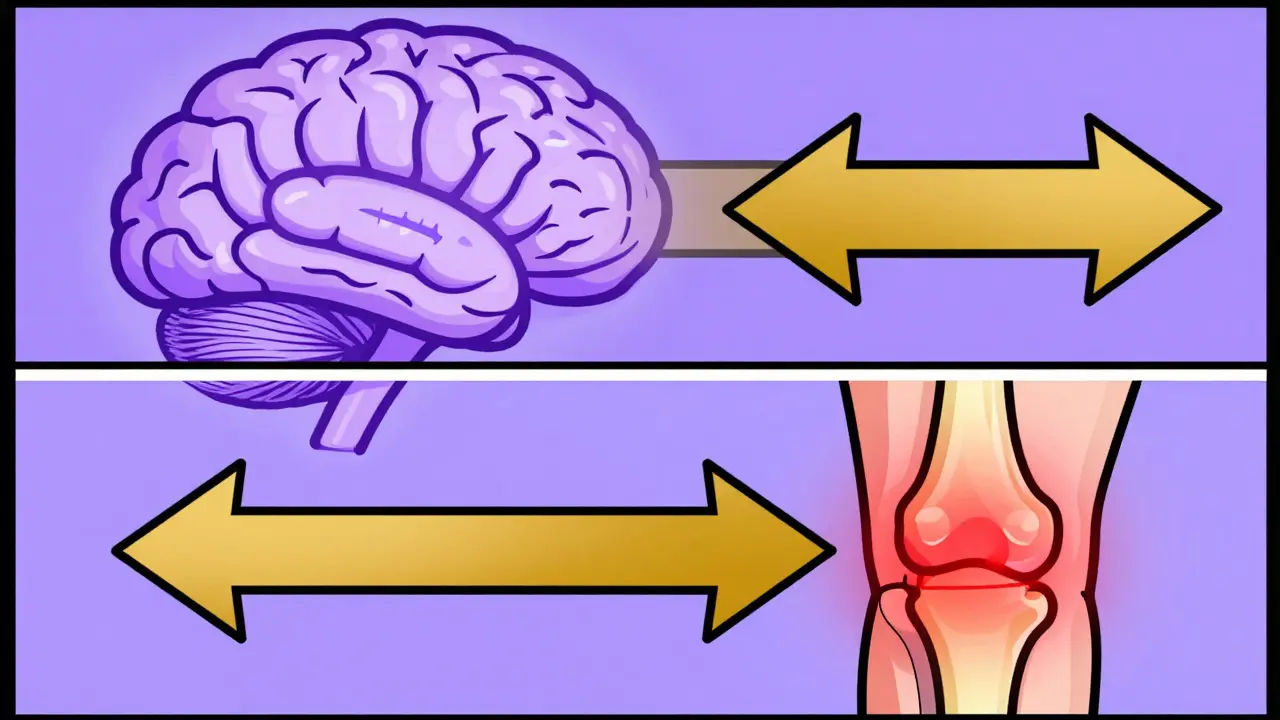
If you've ever wondered why some medications combine a mild pain reliever with a stronger one, it's all about multimodal analgesia the use of multiple analgesic drugs with different mechanisms of action to produce a synergistic effect ]. When you use a single drug, you're targeting one specific pain pathway. But pain is complex. By combining a centrally acting agent (which works on the brain and spinal cord) with a peripherally acting agent (which works at the site of injury), you can block pain more effectively.
For example, consider a combination of Tramadol a centrally acting analgesic that affects mu-opioid receptors and inhibits the reuptake of serotonin and norepinephrine ] and an NSAID. While the Tramadol calms the central nervous system's response to pain, the NSAID reduces the inflammation and swelling at the actual wound. This teamwork often results in a combined effect that is greater than the sum of the two drugs used alone.
Common Generic Fixed-Dose Products
The market is full of generic versions of these combinations, making them more affordable and accessible. Depending on the type of pain-whether it's a dental procedure, a sports injury, or postoperative recovery-different pairings are used.
| Combination Components | Typical Dosing (Generic) | Primary Use Case | Key Benefit |
|---|---|---|---|
| Acetaminophen + Ibuprofen | Varies by OTC brand | Dental pain, mild-to-moderate acute pain | Fast onset, low opioid risk |
| Tramadol + Acetaminophen | Tramadol 37.5mg / Acetaminophen 325mg | Moderate to severe acute pain | Stronger analgesia than either alone |
| Tramadol + Diclofenac | Tramadol 50mg / Diclofenac 50mg | Musculoskeletal and postoperative pain | High efficacy for inflammatory pain |
| Drotaverine + Acetaminophen | Drotaverine 80mg / Acetaminophen 500mg | Abdominal and spasmodic pain | Relieves both pain and muscle spasms |
The Pros and Cons of Fixed-Dose Combinations
Switching from "loose-dose" (taking two separate pills) to a fixed-dose product isn't just about convenience. There are clinical trade-offs to consider.
The Advantages:
- Reduced Pill Burden: Fewer tablets mean better patient compliance. No one likes swallowing five pills three times a day.
- Predictable Results: Because the ratio is fixed, you get the exact same dose of each drug every time, reducing the risk of dosing errors.
- Better Tolerability: By using lower doses of two different agents, you can often avoid the high-dose side effects of a single-agent therapy. A Cochrane review noted that paracetamol and ibuprofen combinations provided better analgesia after wisdom tooth removal with fewer adverse events than high-dose monotherapy.
The Drawbacks:
- Rigid Dosing: You can't adjust the dose of one ingredient without also increasing the other. If you only need more acetaminophen but not more tramadol, a fixed-dose pill won't work.
- Combined Contraindications: If you are allergic to NSAIDs but can take opioids, you cannot take a combination product that contains both.
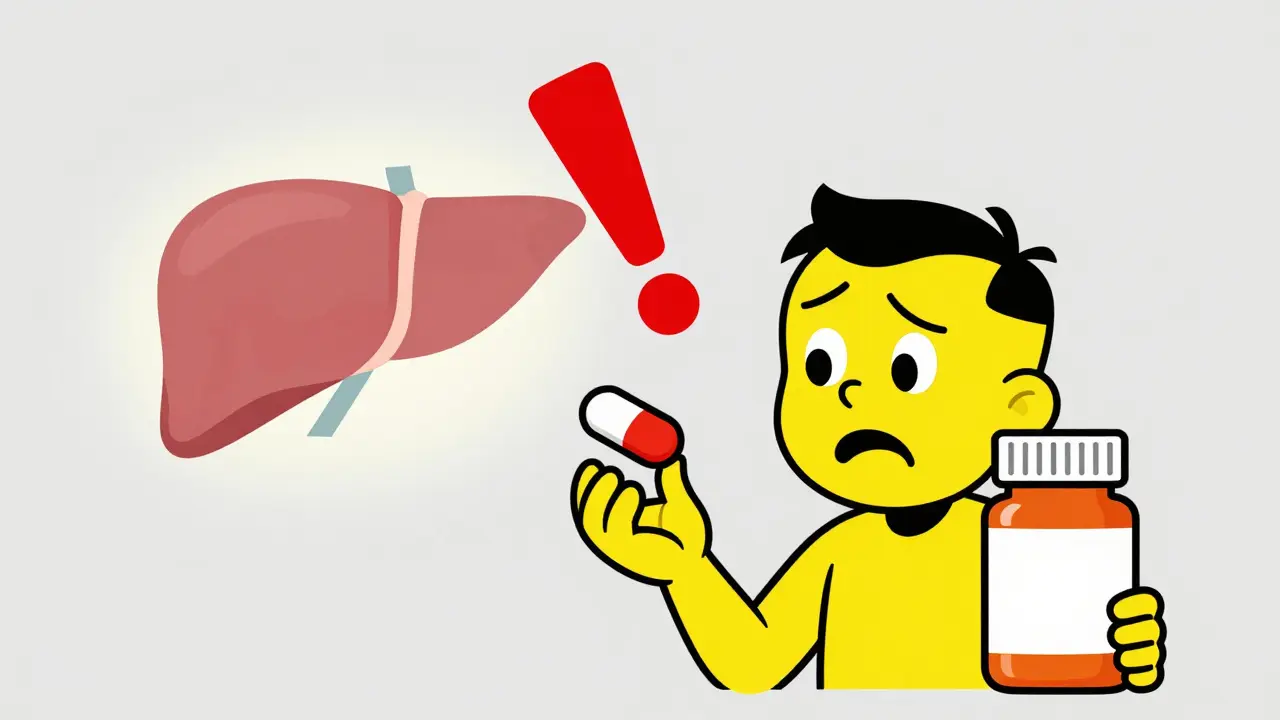
- Overdose Risks: A major pitfall is "hidden" ingredients. For example, if you take a combination product containing acetaminophen and then take a separate dose of Tylenol, you risk liver toxicity. The ISMP reported that about 22% of medication errors in 2022 involved accidental acetaminophen overdose from these products.
Managing Risks and Side Effects
Using these combinations requires a bit more caution than a simple over-the-counter pill. You have to monitor the organs affected by both components. For products containing NSAIDs Non-steroidal anti-inflammatory drugs that inhibit cyclo-oxygenase enzymes to reduce inflammation ], renal function is a priority. For those containing acetaminophen, hepatic (liver) health is the main concern.
Side effects can also overlap. In studies of chronic low back pain, patients using a tramadol/acetaminophen combination reported significantly higher rates of nausea and dizziness compared to a placebo. Specifically, about 35% of patients experienced nausea. If you are prone to motion sickness or vertigo, these combinations might be a challenge.
Practical Tips for Use
If you are considering these medications, here is a quick rule of thumb for a safer experience:
- Check the Label: Always look for the active ingredients. If "Acetaminophen" or "Paracetamol" is listed, do not take any other product containing those names.
- Limit Duration: Use combinations like ibuprofen/acetaminophen for only a few days. Prolonged use of NSAIDs can lead to gastric ulcers or kidney issues.
- Time Your Doses: Be aware of peak plasma concentrations. For instance, in a tramadol/diclofenac pill, diclofenac usually peaks around 2.5 hours, while tramadol peaks closer to 3.5 hours. This means the full effect takes a few hours to kick in.
- Consult a Pro: If you have a history of liver or kidney disease, these combinations should only be used under strict medical supervision.
The Future of Pain Relief
The industry is moving toward "NSAID-sparing" combinations. The goal is to find the lowest possible dose of an anti-inflammatory that still works when paired with another agent, reducing the risk of stomach bleeding. While the global market for these products is booming-valued at nearly $15 billion-there is a growing effort to limit the use of opioid-containing combinations to avoid the risks of misuse and addiction.
Are generic fixed-dose combinations as effective as brand names?
Yes. Generic versions are required to demonstrate bioequivalence to the original brand. This means they have the same active ingredients and deliver the drug into the bloodstream at a similar rate and concentration.
Can I take a combination pill and a separate painkiller at the same time?
This is dangerous and not recommended without a doctor's guidance. The biggest risk is "double-dosing" on ingredients like acetaminophen, which can lead to severe liver damage if the 4g per day limit is exceeded.
Why is the "dose-sparing effect" important?
The dose-sparing effect allows you to achieve superior pain control using lower doses of each individual drug. This reduces the likelihood of dose-related side effects, such as the severe constipation seen with high-dose opioids or the gastric distress caused by high-dose NSAIDs.
Which combinations are best for dental pain?
Based on clinical reviews and user feedback, the paracetamol/ibuprofen combination is highly effective for dental procedures. For more severe cases, tramadol/acetaminophen is often used, though it carries a higher risk of nausea.
What are the most common side effects of opioid-NSAID combinations?
The most frequent issues include gastrointestinal upset (nausea, vomiting), dizziness, and constipation. Because they combine two potent classes of drugs, the risk of an adverse reaction is generally higher than with a single-agent pill.
Comments (9)
Vivek Hattangadi
April 5, 2026 AT 14:28This is a great breakdown of how these combos actually work. I've always found that keeping track of multiple prescriptions is the hardest part of recovery, so anything that simplifies the routine is a huge win for patient adherence. It's all about finding that balance between effectiveness and safety!
Danielle Kelley
April 6, 2026 AT 01:54Convenience my foot! This is just another way for Big Pharma to lock us into their proprietary cocktails so we can't control our own dosages. They want us dependent and mindless while they rake in billions from these "generic" scams. Wake up and stop trusting every single pill they tell you to swallow!
Rauf Ronald
April 6, 2026 AT 04:24Spot on regarding the dose-sparing effect. In my experience, the synergy between a central agent and a peripheral agent really is the gold standard for acute pain. For those wondering about the liver risk, just remember that the 4g limit for acetaminophen is a hard ceiling. If you're using a combo pill, you're already halfway there, so be incredibly careful with any additional cold meds or sleep aids that might also contain it. Stay safe and keep monitoring those symptoms!
charles mcbride
April 7, 2026 AT 00:41It is truly encouraging to see such a comprehensive guide on accessible healthcare options.
Timothy Burroughs
April 8, 2026 AT 13:40typical corporate garbage just giving you a recipe for addiction while the real american medical system crumbles under its own weight no one cares about your liver they just want you numb so you dont notice the world burning down around u
Rupert McKelvie
April 8, 2026 AT 23:11Really glad to see the mention of the Cochrane review. Having evidence-based data on why combining paracetamol and ibuprofen beats high-dose monotherapy makes a lot of sense and gives a lot of confidence to people dealing with dental pain.
Alexander Idle
April 9, 2026 AT 09:04I find the utter audacity of suggesting a table as a sufficient guide for pharmacological intervention to be simply exhausting. The sheer banality of these generic lists is a tragedy in itself. One must ponder if the medical industry has completely devolved into a series of checkboxes and spreadsheets. It is a most distressing state of affairs indeed, and frankly, the formatting of this entire a-la-carte menu of narcotics is a visceral insult to the complexity of human suffering. I can hardly bear the thought of such reductionist logic being passed off as a practical guide. Truly a farce of the highest order. My soul weeps for the nuance of medicine. What a joke. Absolutely pathetic.
Sarabjeet Singh
April 10, 2026 AT 23:45Keep pushing forward with the recovery process everyone. Just follow the labels and stay consistent!
shelley wales
April 12, 2026 AT 13:26It's so important to be gentle with ourselves when we're in pain. I appreciate the reminder to check the labels carefully because it's so easy to get confused when you're not feeling your best. Just take it one step at a time and lean on your healthcare providers for support.