
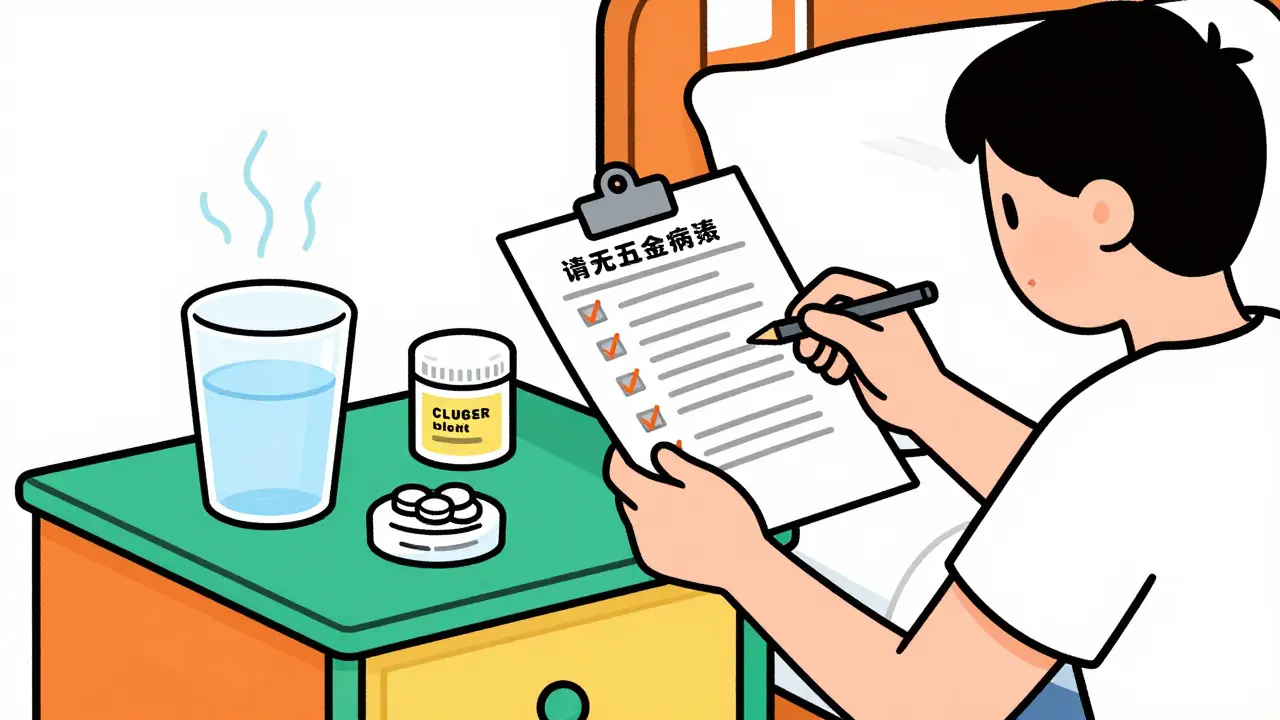
Managing blood sugar isn't just about picking the right pill or injection; it's about knowing how those choices affect your body in real-time. Whether you're dealing with type 1 or type 2 diabetes, the medications you use-ranging from the classic metformin to advanced insulin pumps-come with a specific set of rules to keep you safe. The biggest danger isn't usually the disease itself, but the risk of your blood sugar dropping too low or reacting poorly to a drug interaction.
The Quick Safety Checklist
- Hypoglycemia: Know your red flags (shaking, sweating, confusion) and always carry fast-acting glucose.
- Kidney Health: If you're on metformin or SGLT2 inhibitors, keep a close eye on your eGFR levels.
- Surgery Prep: SGLT2 inhibitors usually need to be stopped 24 hours before elective surgery to avoid DKA.
- Injection Technique: Rotate your sites to avoid lumps and avoid injecting into muscle.
- Dietary Awareness: Be careful with very low-carb or ketogenic diets if you're using newer SGLT2 drugs.
Understanding Insulin and Its Risks
Insulin is a life-saving hormone, but it's also the most potent tool in the kit, meaning the margin for error is small. Insulin is a medication used to lower blood glucose levels by helping cells absorb glucose from the bloodstream. Depending on how fast it works, it's split into rapid-acting (like lispro), short-acting, intermediate-acting, and long-acting (like glargine).
The primary risk here is hypoglycemia-when your sugar drops too low. While common, the real danger comes with concentrated formulations like Humulin R U-500. Because these are much stronger than standard insulin, a small dosing error can lead to a severe crash. To stay safe, always double-check your unit markings and avoid "insulin stacking," which happens when you take a second dose before the first one has finished working.
Another practical issue is where you inject. If you keep hitting the same spot, you can develop lipohypertrophy (fatty lumps), which actually makes your insulin absorption unpredictable. This means your blood sugar might be high one day and plummet the next, simply because the medication is leaking out of a lump slowly. Rotating your sites across the abdomen, thighs, and arms is the only way to prevent this.
Oral Agents: From Metformin to SGLT2s
Not all diabetes pills work the same way. Some trigger your pancreas to make more insulin, while others change how your kidneys handle sugar. This difference is where the safety risks diverge.
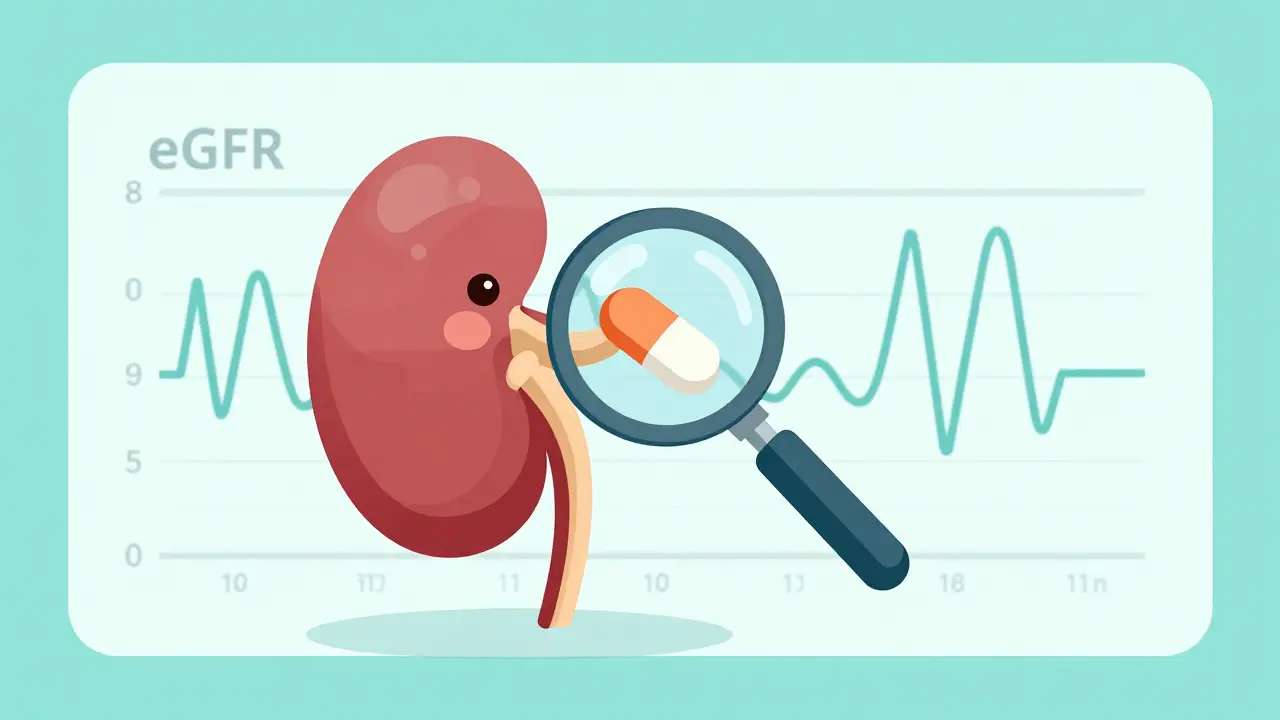
Metformin is a biguanide medication that lowers glucose production in the liver and improves insulin sensitivity. It's generally the first choice for type 2 diabetes because it doesn't cause hypoglycemia on its own. However, it has a serious relationship with your kidneys. If your eGFR (estimated glomerular filtration rate) drops below 30 mL/min/1.73m², metformin can build up in your system and cause lactic acidosis, a rare but life-threatening condition. This is why your doctor needs to check your kidney function at least once a year.
Then you have SGLT2 Inhibitors, which work by blocking the kidneys from reabsorbing glucose, causing it to be excreted through urine. While these are great for heart and kidney protection, they come with a weird side effect: genital yeast infections occur in about 4-5% of users. More seriously, they can cause "euglycemic DKA." This is a scary scenario where you have diabetic ketoacidosis, but your blood sugar levels look normal, making it harder to diagnose.
| Medication Class | Hypoglycemia Risk | Main Safety Concern | Key Monitoring Metric |
|---|---|---|---|
| Insulins | Very High | Severe hypoglycemia / Injection site lumps | Blood Glucose / CGM |
| Sulfonylureas | High | Nocturnal hypoglycemia (up to 30%) | Blood Glucose |
| Metformin | Low | Lactic Acidosis | eGFR (Kidney Function) |
| SGLT2 Inhibitors | Low | DKA / Yeast Infections | Hydration / Ketones |
| GLP-1 Receptor Agonists | Low | Nausea and Vomiting (30-50%) | GI Tolerance |
The Danger of the "Sugar Crash": Hypoglycemia
If you are taking sulfonylureas (like glimepiride) or insulin, hypoglycemia is your biggest enemy. Statistics show that 20-40% of patients on sulfonylureas experience these drops. For some, it's a mild shake; for others, it's a severe episode where they lose consciousness and need third-party help.
A particularly dangerous trend is "hypoglycemia unawareness," which is common in older adults. This happens when your body stops giving you the warning signs (like racing heart or anxiety) before a crash. You might just feel a bit dizzy and then suddenly faint. This is why dizziness in seniors is such a red flag-it often leads to falls and head injuries. If you find yourself not "feeling" the lows, it's time to talk to your doctor about adjusting your target glucose levels.
Be mindful of drug interactions. Some antibiotics, such as sulfamethoxazole, can actually amplify the effect of your diabetes meds, pushing your sugar lower than intended. Always tell your pharmacist every single medication you're taking, including herbal supplements, to avoid these accidental crashes.
Advanced Tech and Modern Safety
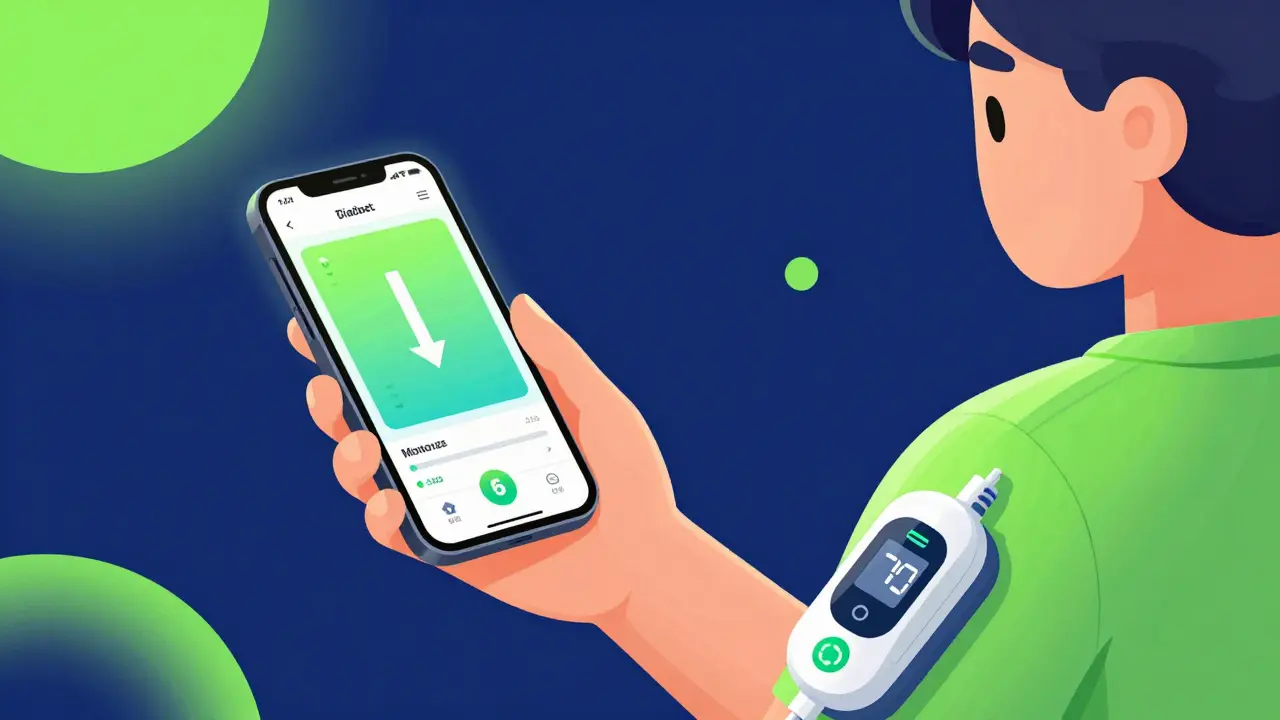
We've moved past just finger-pricks. Automated Insulin Delivery (AID) systems are "closed-loop" technologies that use a continuous glucose monitor and a pump to adjust insulin in real-time. These systems are a game-changer for safety because they can automatically throttle back insulin if they see your sugar dropping, drastically reducing the risk of nocturnal hypoglycemia.
Even with tech, the basics still matter. Using a Continuous Glucose Monitor (CGM) allows you to see the *direction* of your sugar (the trend arrow), not just a single number. This lets you act before the crash happens. For example, if your sugar is 90 but the arrow is pointing straight down, you know you need a snack immediately, whereas a steady 90 is perfectly fine.
Practical Tips for Daily Management
Safety isn't just about avoiding side effects; it's about the systems you put in place. Keep a detailed medication log. Don't just write the dose-note the time you took it and how you felt afterward. If you're starting a new GLP-1 agonist, expect some nausea. About 30-50% of people experience GI issues. The trick is to start with the lowest possible dose and increase it slowly to let your stomach adapt.
For those with kidney issues, not all drugs are created equal. For instance, if you're on a sulfonylurea but have renal impairment, glipizide is often the preferred choice because it's processed mostly in the liver, reducing the risk of the drug building up in your blood and causing a crash.
What should I do if I feel dizzy while taking diabetes medication?
Dizziness is often a sign of hypoglycemia (low blood sugar). Immediately check your glucose levels. If they are low, consume 15-20 grams of fast-acting carbs (like glucose tablets or fruit juice), wait 15 minutes, and check again. If you are an older adult, sit or lie down immediately to prevent falls, as dizziness can quickly lead to serious fractures or head injuries.
Is it safe to use SGLT2 inhibitors before surgery?
No, it can be dangerous. SGLT2 inhibitors increase the risk of diabetic ketoacidosis (DKA) during surgical stress. Current medical guidelines recommend stopping these medications at least 24 hours before an elective surgery. Always inform your surgical team and anesthesiologist about these specific medications.
Why do I need to check my eGFR for metformin?
Metformin is cleared by the kidneys. If your kidney function (measured by eGFR) is too low (typically below 30 mL/min/1.73m²), the drug can accumulate in your body, increasing the risk of lactic acidosis, a condition where lactate builds up in the bloodstream, causing potentially fatal metabolic imbalances.
How do I prevent insulin injection site lumps?
The best way to prevent lipohypertrophy is through strict site rotation. Avoid using the same spot for multiple doses. Instead, move your injection site in a grid pattern across your abdomen, thighs, or upper arms. If you notice a hard lump, stop injecting in that area until it resolves, as lumps can make your insulin absorption unpredictable.
What are the signs of DKA with SGLT2 inhibitors?
SGLT2 inhibitors can cause euglycemic DKA, where blood sugar isn't extremely high. Look for symptoms like nausea, vomiting, abdominal pain, shortness of breath, and confusion. Because your sugar levels might look "normal" or only slightly elevated, you should check for ketones in your urine or blood if you feel unwell.
Next Steps for Your Safety Plan
If you're just starting your medication journey or looking to update your routine, start by auditing your current list. Are you taking any new antibiotics or supplements? If so, schedule a check-in with your doctor to ensure there are no interactions. For those over 65, consider asking your provider about a more conservative glucose target to avoid the dangers of severe hypoglycemia.
If you're still relying on manual injections and struggle with "lows," talk to your endocrinologist about a CGM or an Automated Insulin Delivery system. The technology has advanced to the point where these tools can catch a crash before you even feel it, giving you a much higher quality of life and a significantly lower risk of emergency room visits.