
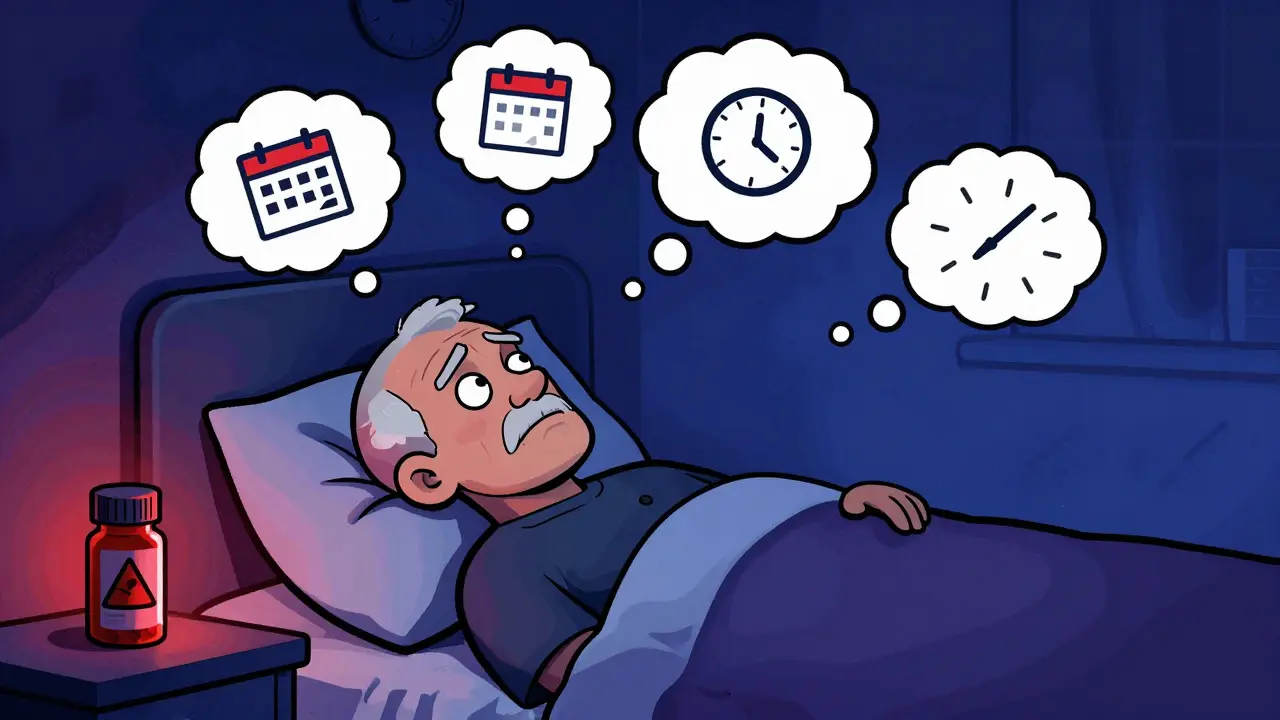
It is 3 a.m. You are staring at the ceiling, your mind racing with tomorrow’s worries while your body feels heavy but awake. For millions of adults over 65, this is not an occasional annoyance; it is a nightly battle. The instinctive response? Reach for a pill. But here is the hard truth that many doctors are now shouting from the rooftops: the very pills designed to help you sleep might be putting your brain, your bones, and your independence at serious risk.
Sleep changes as we age. It is normal to wake up more often or feel less rested. However, when insomnia becomes chronic, the temptation to use sleep medications is overwhelming. Yet, for seniors, these drugs behave differently than they do in younger bodies. Slower metabolism means drugs stay in your system longer, leading to next-day grogginess, confusion, and a significantly higher chance of falling. If you or a loved one relies on sedatives to get through the night, understanding safer alternatives is no longer just good advice-it is a critical safety measure.
The Hidden Dangers of Common Sleep Aids
To understand why caution is necessary, we need to look at how our bodies handle medication after 65. As we age, liver function declines and kidney filtration slows down. This means a dose of zolpidem (Ambien) or lorazepam that clears out of a 40-year-old’s system by morning might still be active in a 75-year-old’s bloodstream until noon.
| Medication Class | Common Examples | Primary Risks for Seniors | Beers Criteria Status |
|---|---|---|---|
| Benzodiazepines | Triazolam (Halcion), Flurazepam (Dalmane) | High fall risk, memory impairment, increased dementia risk | Avoid (Potentially Inappropriate) |
| Z-Drugs (Non-Benzodiazepine Hypnotics) | Zolpidem (Ambien), Eszopiclone (Lunesta) | Falls, complex sleep behaviors, next-day impairment | Use with Caution / Avoid Long-Term |
| Antihistamines (OTC) | Diphenhydramine (Benadryl), Doxylamine (Unisom) | Anticholinergic effects, confusion, dry mouth, urinary retention | Avoid (Potentially Inappropriate) |
| Orexin Receptor Antagonists | Lemborexant (Dayvigo), Suvorexant (Belsomra) | Drowsiness, potential for postural instability | Consider with Monitoring |
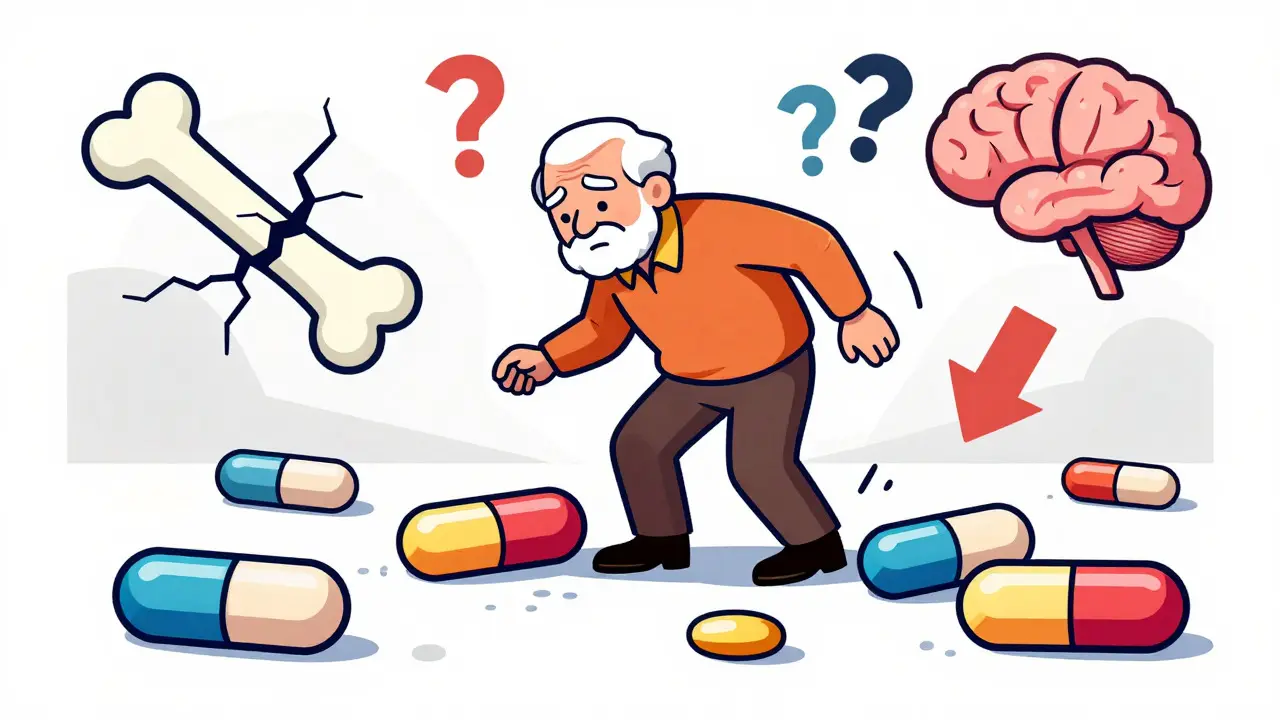
The American Geriatrics Society publishes the Beers Criteria, a widely respected list of medications that are potentially inappropriate for older adults. Updated recently, it explicitly flags benzodiazepines and certain Z-drugs as high-risk. Why? Because the link between these drugs and physical harm is undeniable. Studies show that long-acting benzodiazepines can increase the risk of falls by 50%. For a senior with osteoporosis, a fall isn’t just a bruise; it is often a hip fracture, which can lead to loss of independence and even mortality within a year.
There is also the cognitive concern. A landmark study published in the BMJ found that frequent use of benzodiazepines was associated with a 51% increased risk of developing Alzheimer’s disease. While correlation does not always equal causation, the signal is strong enough that neurologists like Dr. Michael Howell at Mayo Clinic advise avoiding these drugs whenever possible. Even over-the-counter aids like Benadryl carry hidden costs. They contain anticholinergic properties that can cause "brain fog," short-term memory loss, and confusion, especially when taken regularly.
Cognitive Behavioral Therapy for Insomnia (CBT-I): The Gold Standard
If pills are risky, what is the alternative? The answer has been clear for years, yet remains underutilized: Cognitive Behavioral Therapy for Insomnia (CBT-I). Unlike medication, which masks the symptom, CBT-I addresses the root causes of poor sleep-your thoughts and behaviors around bedtime.
The American Academy of Sleep Medicine recommends CBT-I as the first-line treatment for chronic insomnia in adults. It is not about talking through your childhood trauma; it is a structured, practical program typically lasting 6 to 8 weeks. Here is how it works:
- Sleep Restriction: This sounds counterintuitive, but limiting your time in bed to match your actual sleep time helps rebuild sleep drive. If you only sleep 6 hours but lie in bed for 9, you are training your brain to associate the bed with wakefulness. CBT-I tightens this window to make sleep more efficient.
- Stimulus Control: You learn to reserve the bed strictly for sleep and intimacy. No reading, no TV, no worrying in bed. If you cannot sleep after 20 minutes, you get up and go to another room until you are tired. This breaks the anxiety loop of lying there frustrated.
- Cognitive Restructuring: Many seniors have catastrophic thoughts about sleep: "If I don’t sleep tonight, I’ll have a heart attack tomorrow." CBT-I helps challenge and replace these irrational fears with realistic perspectives, reducing the anxiety that keeps you awake.
- Sleep Hygiene Education: Optimizing your environment. This includes managing light exposure, temperature, and noise.
You might wonder if this works for older adults. The data says yes. A 2019 study in JAMA Internal Medicine showed that telehealth-delivered CBT-I achieved a 57% remission rate for insomnia in adults over 60. Digital platforms like Sleepio have made this accessible without needing to travel to a clinic. One user on AgingCare.com shared that after six weeks of CBT-I, they reduced their Lunesta use to "as-needed" and slept better than they had in two decades. That is a result no pill can guarantee long-term.
When Medication Is Necessary: Safer Options
Let’s be realistic. Sometimes CBT-I takes too long, or the distress is too severe, and medication is needed as a bridge. If you must take a sleep aid, choosing the right one matters immensely. Not all sedatives are created equal.
Low-dose Doxepin (Silenor) is an antidepressant that, at very low doses (3mg to 6mg), acts as a potent histamine blocker specifically targeted at maintaining sleep. Unlike older antihistamines, it has minimal anticholinergic effects, meaning less confusion and dry mouth. Studies show it can improve sleep efficiency by over 5% and add nearly 30 minutes of total sleep time without significant next-day hangover effects.
Ramelteon (Rozerem) is another option worth discussing with your doctor. It is a melatonin receptor agonist, meaning it mimics the natural hormone melatonin to regulate your circadian rhythm. It does not work on GABA receptors like benzodiazepines, so it carries virtually no risk of dependence or withdrawal. It is particularly helpful for those who struggle with falling asleep rather than staying asleep.
Newer classes of drugs called Orexin Receptor Antagonists, such as Lemborexant (Dayvigo), are gaining traction. Orexin is a neurotransmitter that promotes wakefulness. These drugs block orexin, essentially turning off the "wake switch." Research suggests they may have a better safety profile regarding falls and cognitive impairment compared to traditional Z-drugs, though they are still relatively new and expensive.
If you are prescribed any of these, follow the principle of "start low and go slow." Your doctor should prescribe the lowest effective dose for the shortest duration possible. Never mix sleep medications with alcohol or other sedatives, as this exponentially increases the risk of respiratory depression and fatal accidents.
Deprescribing: How to Safely Stop Taking Sleep Meds
Many seniors find themselves on sleep medications for years, sometimes since middle age. Stopping abruptly is dangerous. It can cause rebound insomnia, anxiety, and even seizures in extreme cases. The process of deprescribing requires patience and medical supervision.
The STOPP/START criteria recommend tapering off benzodiazepines and Z-drugs gradually over 4 to 8 weeks. Here is a general framework for a safe exit strategy:
- Consult Your Doctor: Create a plan. Do not stop cold turkey.
- Reduce Gradually: Lower the dose by 10-25% every week or two. If you take 10mg, drop to 7.5mg, then 5mg, etc.
- Switch Formulations: Sometimes switching from a short-acting drug to a longer-acting one (like diazepam) makes the taper smoother because blood levels remain more stable.
- Implement CBT-I Simultaneously: Use behavioral techniques to manage the rebound insomnia that occurs during tapering.
- Monitor Symptoms: Keep a sleep diary. Note any anxiety or physical withdrawal symptoms. Adjust the pace if needed.
Remember, withdrawal is temporary. The goal is long-term freedom from dependency. Many patients report that once they break the psychological reliance on the pill, their natural sleep architecture begins to recover.

Practical Lifestyle Tweaks for Better Senior Sleep
Before reaching for a prescription, optimize your daily habits. Small changes can yield big results.
- Morning Light Exposure: Get outside within an hour of waking up. Natural sunlight resets your circadian clock, signaling your body to produce melatonin later in the evening. Aim for 15-30 minutes of outdoor time.
- Limit Naps: Napping is tempting, but it steals sleep pressure from the night. Limit naps to 20-30 minutes and finish them before 3 p.m.
- Watch the Caffeine and Alcohol: Caffeine has a half-life of 5-6 hours, meaning half of your morning coffee is still in your system at lunch. Cut off caffeine by noon. Alcohol might help you fall asleep, but it fragments sleep later in the night, causing early awakenings.
- Create a Cool, Dark Environment: Body temperature needs to drop to initiate sleep. Keep your bedroom cool (around 65°F or 18°C). Use blackout curtains and white noise machines if street noise is an issue.
- Manage Pain and Urination: Chronic pain and nocturia (frequent nighttime urination) are major sleep disruptors for seniors. Address underlying conditions like prostate issues, diabetes, or arthritis with your primary care provider. Treating the cause is better than masking it with sedatives.
Next Steps and Troubleshooting
If you are currently taking a sleep medication listed in the Beers Criteria, schedule an appointment with your geriatrician or primary care physician. Ask specifically: "Is this medication still appropriate for my age and health status? Can we try CBT-I or a safer alternative?" Bring a list of all your current medications, including supplements, to check for interactions.
If you have already tried CBT-I and lifestyle changes without success, ask about a referral to a sleep specialist. They can perform tests to rule out sleep apnea or restless legs syndrome, conditions that mimic insomnia but require different treatments. CPAP therapy for sleep apnea, for instance, can dramatically improve sleep quality without any sedative drugs.
Finally, involve your family. Caregivers play a crucial role in monitoring side effects like confusion or unsteadiness. If you notice increased daytime drowsiness or memory lapses after starting a new sleep aid, report it immediately. Your safety is paramount.
Are over-the-counter sleep aids like Melatonin safe for seniors?
Melatonin is generally considered safer than prescription sedatives because it is a hormone your body naturally produces. However, quality varies widely in supplements. Start with a low dose (1-3 mg) taken 1-2 hours before bed. High doses can cause vivid dreams or next-day grogginess. Always consult your doctor first, especially if you take blood thinners or immunosuppressants, as melatonin can interact with these medications.
What is the Beers Criteria and why does it matter?
The Beers Criteria is a clinical guideline published by the American Geriatrics Society that lists medications deemed potentially inappropriate for older adults due to heightened risks of adverse effects. It matters because it provides evidence-based recommendations to prevent hospitalizations, falls, and cognitive decline caused by common drugs like benzodiazepines and antihistamines.
Can CBT-I really replace sleeping pills?
Yes, for many people. Clinical guidelines from the American Academy of Sleep Medicine rank CBT-I as the first-line treatment for chronic insomnia. Studies show its benefits last longer than medication because it teaches skills to manage sleep rather than providing a temporary chemical fix. It is particularly effective when combined with a gradual tapering of existing sleep medications.
How long does it take to taper off benzodiazepines safely?
There is no one-size-fits-all timeline, but a safe taper usually takes several weeks to months. A common approach is reducing the dose by 10-25% every 1-2 weeks. Faster tapers increase the risk of severe withdrawal symptoms like anxiety, tremors, and rebound insomnia. Work closely with your doctor to adjust the pace based on your comfort level.
What are Orexin Receptor Antagonists?
These are a newer class of sleep medications, such as Dayvigo (lemborexant) and Belsomra (suvorexant). Instead of depressing the central nervous system like benzodiazepines, they block orexin, a chemical that promotes wakefulness. Early studies suggest they may have a lower risk of falls and cognitive impairment in seniors compared to traditional Z-drugs, though they are still being evaluated for long-term safety.