
Licorice & Medication Interaction Checker
Disclaimer: This tool is for educational purposes only and does not constitute medical advice. Always consult your healthcare provider regarding diet and medication.
Your Assessment Result
That bag of black licorice in your pocket might be doing more than just satisfying a sweet tooth. For many people, it is harmless candy. But for those taking certain medications, that same treat can trigger dangerous spikes in blood pressure or drop potassium levels to critical lows. It sounds dramatic, but the science behind Licorice is a plant root containing glycyrrhizin, which mimics aldosterone hormones in the body is well-documented and potentially life-threatening.
We often think of food-drug interactions as something involving grapefruit juice or alcohol. Licorice slips under the radar because it tastes like candy. However, the active compound in real licorice, called glycyrrhizin is the chemical responsible for mineralocorticoid-like effects that disrupt electrolyte balance, interferes with how your body processes hormones and drugs. Understanding these risks is not about fear-mongering; it is about knowing when to put the bag down.
How Licorice Tricks Your Body
To understand why licorice interacts with so many medications, you need to look at what happens inside your cells. The key player here is an enzyme called 11β-hydroxysteroid dehydrogenase type 2 is an enzyme that normally protects mineralocorticoid receptors from cortisol activation. Think of this enzyme as a gatekeeper. Its job is to convert cortisol (your stress hormone) into an inactive form before it reaches certain receptors in your kidneys.
When you consume significant amounts of glycyrrhizin, it blocks this gatekeeper. Cortisol then floods the system and binds to mineralocorticoid receptors are receptors in the kidneys that regulate sodium and potassium balance. This tricks your body into thinking it has too much aldosterone, a hormone that controls salt and water balance. The result? Your kidneys hold onto sodium and water while flushing out potassium.
This mechanism leads to three main problems:
- Sodium retention: Causes fluid buildup and raises blood pressure.
- Potassium loss (hypokalemia): Low potassium weakens heart muscle contractions and nerve signals.
- Fluid overload: Can lead to swelling and strain on the heart.
A case study published in PubMed Central highlighted a 47-year-old man who ate 200 grams of licorice daily. Within three weeks, his blood pressure skyrocketed to 210/120 mmHg, and his potassium dropped to a dangerous 2.6 mmol/L. He required hospitalization. This wasn't an anomaly; it was a predictable physiological response to high doses of glycyrrhizin.
The "Real" vs. "Fake" Licorice Confusion
Before you panic, there is a crucial distinction to make. Not all licorice candy contains glycyrrhizin. In the United States and many other markets, most "black licorice" is actually flavored with anise oil is a flavoring agent derived from the anise plant that does not contain glycyrrhizin. Anise-flavored licorice poses no risk of these hormonal interactions.
However, traditional European-style black licorice, particularly brands imported from the UK, Netherlands, or Scandinavia, often use real licorice root extract. These products contain the active glycyrrhizin. The problem is labeling. A 2023 survey found that 78% of black licorice products failed to disclose their glycyrrhizin content clearly. You cannot always tell by looking at the wrapper.
If you are sensitive to these effects or take interacting medications, you should check the ingredient list for "licorice root extract" or "glycyrrhiza glabra." If you see "anise oil" or "anisaldehyde," you are generally safe from the hormonal side effects, though you may still have digestive sensitivities to the sugar or texture.
Medications That Clash with Licorice
Licorice doesn't just raise blood pressure on its own; it amplifies the effects of some drugs and dangerously counteracts others. Here are the primary categories of medications that interact with licorice:
| Medication Class | Interaction Mechanism | Potential Risk |
|---|---|---|
| Diuretics (Water Pills) | Adds to potassium loss | Severe hypokalemia, muscle weakness, arrhythmias |
| Corticosteroids | Additive mineralocorticoid effect | Hypertension, fluid retention, edema |
| Digoxin (Heart Medication) | Low potassium increases toxicity | Digoxin poisoning, irregular heartbeat |
| Antihypertensives | Counteracts blood pressure lowering | Uncontrolled hypertension, stroke risk |
| Warfarin/Coumadin | Variable enzyme inhibition | Unpredictable INR levels, bleeding or clotting risk |
Diuretics are perhaps the most common concern. Drugs like hydrochlorothiazide or furosemide already encourage potassium excretion. Adding licorice accelerates this process. The University of Rochester Medical Center warns that this combination can drive potassium levels below 3.0 mmol/L rapidly, leading to fatigue, cramps, and in severe cases, cardiac arrest.
Digoxin users face a specific danger. Digoxin works by affecting the electrical activity of the heart, but it is highly sensitive to potassium levels. When licorice lowers potassium, digoxin becomes more potent and toxic. A documented case involved a patient developing digoxin toxicity solely due to licorice-induced hypokalemia, even though their digoxin dose hadn't changed.
Corticosteroids such as prednisone or fludrocortisone mimic aldosterone. Taking them with licorice creates a double-whammy effect. Medsafe reported a case where a patient on stable fludrocortisone therapy developed a panic attack and severe hypertension (205/110 mmHg) after consuming licorice. The drug interaction turned a manageable condition into an emergency.
The Enzyme Puzzle: CYP450 Interactions
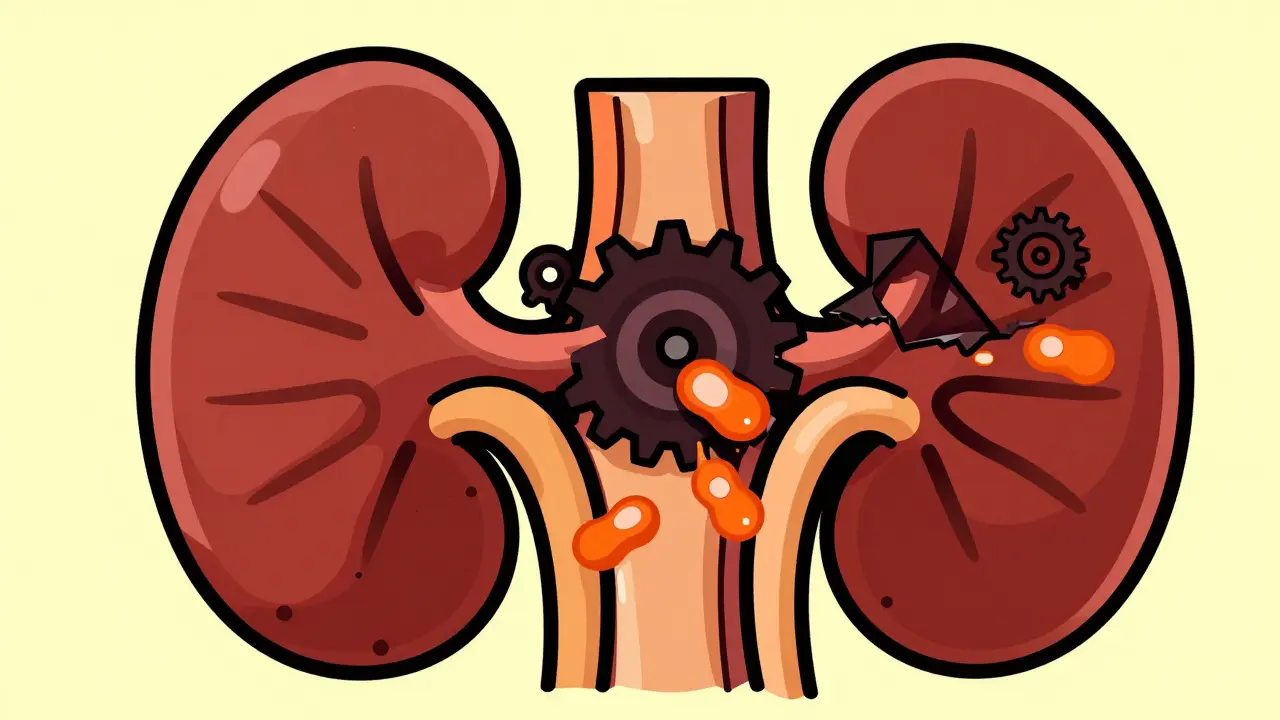
Beyond hormone mimicry, licorice affects liver enzymes that metabolize drugs. Specifically, the Cytochrome P450 is a family of liver enzymes responsible for breaking down many prescription medications system. This area is complex and somewhat controversial in medical literature.
Some constituents in licorice, like glabridin, can inhibit enzymes like CYP3A4 and CYP2D6. Inhibition means the enzyme works slower, causing drug levels to build up in your blood. This could increase the potency of drugs like statins, calcium channel blockers, or immunosuppressants like tacrolimus.
Conversely, other components may induce these enzymes, speeding up metabolism and rendering drugs less effective. A 2023 pharmacokinetic study suggested that standardized extracts might not cause clinically relevant changes in these enzymes for everyone. However, because commercial licorice products vary wildly in composition, relying on this "safety" is risky. Memorial Sloan Kettering Cancer Center maintains warnings about potential interactions with CYP3A4 substrates, advising caution until more consistent data is available.
Safe Consumption Guidelines
You don't necessarily have to give up licorice forever, but you need to manage your intake carefully. The European Food Safety Authority (EFSA) established a safe upper limit of 100 mg of glycyrrhizin per day for healthy adults. This equates to roughly 50 grams (about 1.7 ounces) of traditional black licorice candy containing 2% glycyrrhizin.
However, this guideline assumes you are not taking interacting medications. If you are on diuretics, steroids, or heart medications, the safe limit drops significantly-potentially to zero. Individual sensitivity also plays a role. Some people develop symptoms after just a few days of moderate consumption.
Consider Deglycyrrhizinated Licorice (DGL): If you enjoy the taste or use licorice for digestive issues (like heartburn), look for DGL products. DGL has had the glycyrrhizin removed, leaving the soothing flavonoids without the hormonal side effects. It has been marketed since the 1970s specifically for this purpose.
Monitor Your Body: If you choose to eat real licorice while on medication, watch for these red flags:
- Sudden weight gain (fluid retention)
- Muscle weakness or cramping (low potassium)
- Headaches or confusion (high blood pressure)
- Irregular heartbeat
If any of these occur, stop consuming licorice immediately and contact your healthcare provider. Blood tests can quickly determine if your potassium or blood pressure is off-balance.

What Healthcare Providers Are Saying
There is a significant knowledge gap among both consumers and some healthcare providers regarding licorice interactions. A 2021 study found that only 37% of community pharmacists could correctly identify all major licorice-drug interactions. This means you might not receive a warning when picking up a new prescription.
Proactive communication is essential. When visiting your doctor or pharmacist, explicitly ask: "Does my current medication list include anything that interacts with licorice or potassium-altering substances?" Bring a list of all supplements and candies you regularly consume. Many patients forget to mention occasional treats, assuming they are irrelevant.
The FDA classifies licorice as Generally Recognized As Safe (GRAS), but this designation applies to typical dietary consumption, not therapeutic or excessive use. The agency has issued warnings about excessive consumption, and adverse event reports show a steady stream of cases involving hypertension and hypokalemia linked to licorice.
FAQ
How much licorice is too much?
For healthy adults not taking interacting medications, the European Food Safety Authority suggests limiting intake to 100 mg of glycyrrhizin per day, which is approximately 50 grams (1.7 ounces) of traditional black licorice. However, if you take diuretics, corticosteroids, or heart medications, even small amounts can be risky. Consult your doctor for personalized advice.
Is red licorice safe with medications?
Yes, red licorice (like Twizzlers) typically contains no licorice root extract. It is flavored with artificial cherry or strawberry flavorings and does not contain glycyrrhizin. Therefore, it does not carry the same risk of raising blood pressure or lowering potassium.
Can licorice lower blood pressure?
No, licorice typically raises blood pressure. By inhibiting the enzyme that breaks down cortisol, it causes sodium and water retention, which increases blood volume and pressure. It can also interfere with blood pressure medications, making them less effective.
What are the symptoms of licorice toxicity?
Symptoms of pseudoaldosteronism caused by licorice include high blood pressure, low potassium levels (hypokalemia), muscle weakness, fatigue, headaches, confusion, and irregular heartbeat. In severe cases, it can lead to cardiac arrhythmias or paralysis.
Is Deglycyrrhizinated Licorice (DGL) safe?
DGL is generally considered safer for long-term use because the glycyrrhizin component has been removed. It retains the soothing properties beneficial for digestion without the risk of raising blood pressure or lowering potassium. However, always check labels to ensure it is truly deglycyrrhizinated.
Does licorice interact with birth control pills?
While not a direct metabolic interaction, licorice can affect estrogen levels and blood pressure. Women using oral contraceptives are already at a slightly higher risk for hypertension and blood clots. Adding licorice, which raises blood pressure, may exacerbate these risks. Consult your healthcare provider before regular consumption.