
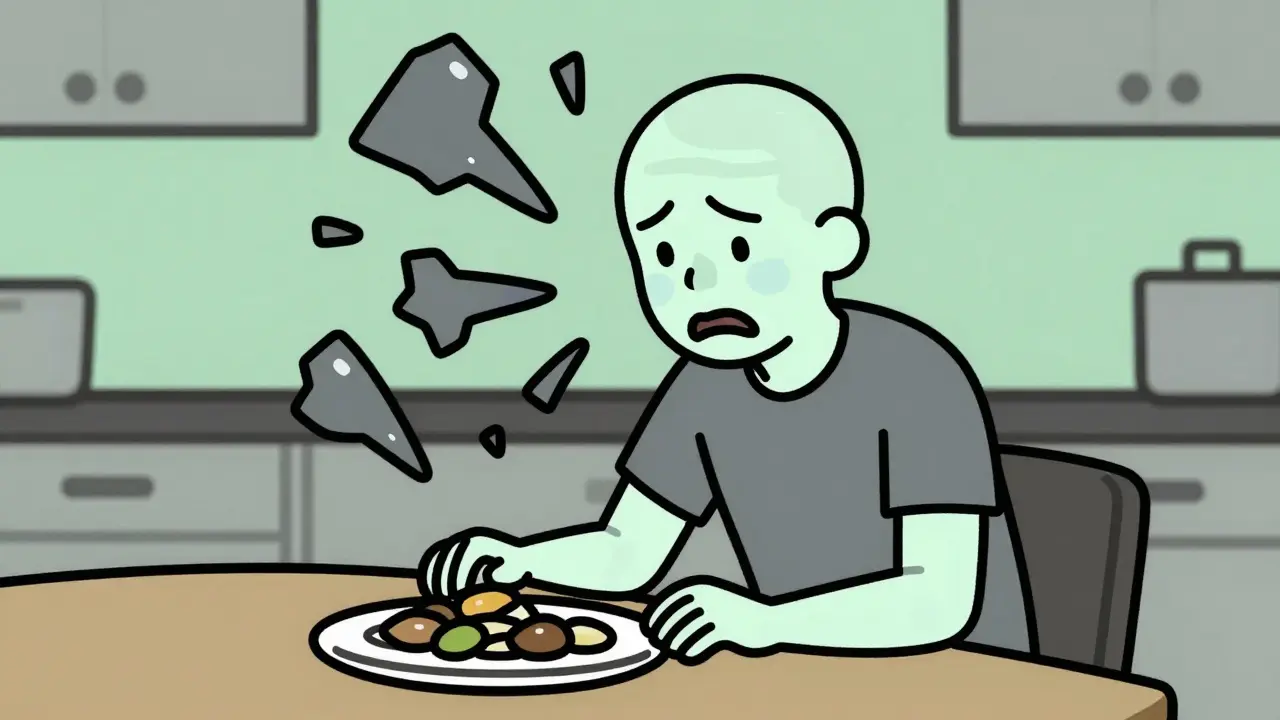
Imagine feeling like you’re swallowing sand every time you eat. Or scratching your skin until it bleeds because the itch won’t stop, especially at night. These aren’t just random annoyances; they are warning signs from your body that your kidneys can no longer filter waste effectively. This condition is known as uremia, a clinical syndrome caused by the buildup of nitrogenous waste products in the blood due to kidney failure. For people with chronic kidney disease (CKD), recognizing these specific symptoms early can mean the difference between managing discomfort and facing life-threatening complications.
Uremia was first described in 1827, but today we understand it much better thanks to modern guidelines from organizations like the National Kidney Foundation. If you are experiencing persistent nausea or unexplained itching, you might be wondering if it’s time for dialysis. The answer isn’t always simple, but understanding the connection between your symptoms and your kidney function is the first step toward getting relief.
What Is Uremia and Why Does It Happen?
To understand uremic symptoms, you need to know what your kidneys do. Healthy kidneys act as a sophisticated filtration system, removing toxins like urea and creatinine from your blood. When kidney function drops significantly-specifically when estimated glomerular filtration rate (eGFR) falls below 15 mL/min/1.73m²-you enter stage 5 CKD, also known as end-stage renal disease (ESRD). At this point, waste products accumulate.
The primary culprits behind uremic symptoms are metabolic waste products such as urea, creatinine, and middle molecules like p-cresyl sulfate and indoxyl sulfate. When serum urea nitrogen (BUN) levels exceed 60 mg/dL and creatinine surpasses 10 mg/dL, these toxins start affecting various systems in your body. This isn't just about numbers on a lab report; it's about how those chemicals interact with your brain, skin, and digestive tract. Historically, uremia was a terminal condition before the invention of hemodialysis in 1943. Today, while still serious, it is manageable with timely intervention.
Nausea: The Silent Appetite Killer
Nausea is one of the most common and distressing uremic symptoms, affecting approximately 68% of patients with stage 5 CKD. It usually starts subtly-a lack of appetite or a metallic taste in the mouth-but can quickly become severe enough to prevent eating altogether. Research from the Chronic Renal Insufficiency Cohort (CRIC) study shows that 92% of patients experience nausea onset between 6 to 12 weeks before starting dialysis.
Why does this happen? Uremic toxins stimulate the chemoreceptor trigger zone in the area postrema of the brain. Elevated levels of specific toxins like p-cresyl sulfate correlate directly with nausea severity. If you notice a sudden weight loss of more than 5% over three months, or if food begins to repulse you, this is a critical red flag. It’s not just "feeling sick"; it’s a physiological response to toxic buildup that requires medical attention. Ignoring it can lead to malnutrition, which makes managing kidney disease even harder.
Uremic Pruritus: More Than Just an Itch
If nausea affects your stomach, uremic pruritus (itching) attacks your peace of mind. Also called CKD-associated pruritus, this symptom affects up to 70% of hemodialysis patients and nearly 40% of non-dialysis CKD patients. Unlike a bug bite or dry skin, uremic itch is deep, pervasive, and often worse at night. According to the 2022 DOPPS study, 76% of affected patients report nocturnal exacerbation, leading to severe sleep deprivation.
The cause is complex. It involves inflammation, evidenced by higher C-reactive protein levels in patients with itch, and possibly nerve dysfunction. Diagnostic criteria require the itch to persist for more than six weeks without primary skin lesions. Doctors use the 5-D Itch Scale to measure severity based on duration, degree, direction, disability, and distribution. A score above 12 indicates severe pruritus that needs pharmacological intervention. Patients often describe the sensation as unbearable, with some changing careers or social habits due to the constant discomfort. It’s crucial to distinguish this from other causes like liver issues or allergies, which is why proper diagnosis by a nephrologist is essential.

When Should You Start Dialysis?
This is the million-dollar question. In the past, doctors waited until symptoms were severe before starting dialysis. However, current guidelines have shifted. The 2023 KDOQI guidelines suggest initiating dialysis when uremic symptoms become refractory to conservative management. This typically happens when eGFR falls below 10.5 mL/min/1.73m², accompanied by BUN >70 mg/dL and creatinine >8 mg/dL.
But numbers alone don’t tell the whole story. The decision must be individualized. Key triggers for starting dialysis include:
- Persistent nausea causing significant weight loss (>5% in 3 months).
- Uremic pericarditis (inflammation around the heart), detected via echocardiography.
- Refractory pruritus scoring >15 on the 5-D scale despite treatment.
- Fluid overload that doesn’t respond to diuretics.
There is debate among experts. Some argue for earlier initiation (eGFR 12-15 mL/min) to prevent complications, citing lower hospitalization rates in certain studies. Others, referencing the IDEAL trial, show no mortality benefit for early vs. late initiation if symptoms are managed well. The consensus is clear: don’t wait until you’re in crisis. Work with your nephrologist to monitor symptoms closely. Quality of life metrics showed 32% better symptom control in groups where symptoms were managed appropriately before hitting critical thresholds.
| Factor | Conservative Management | Dialysis Initiation |
|---|---|---|
| eGFR Threshold | >10.5 mL/min/1.73m² | <10.5 mL/min/1.73m² (with symptoms) |
| BUN Level | <70 mg/dL | >70 mg/dL |
| Symptom Control | Meds for nausea/itch | Direct toxin removal |
| Hospitalization Risk | Higher if symptoms worsen | Reduced with timely start |
Managing Symptoms Before and During Dialysis
You don’t have to suffer in silence while waiting for dialysis or adjusting to it. There are proven treatments for both nausea and itch.
For nausea, first-line treatment often includes ondansetron (4mg orally three times daily). If that doesn’t work, domperidone may be used, though caution is needed due to potential cardiac risks. Dietary changes, such as smaller, frequent meals and avoiding strong smells, can also help.
For uremic pruritus, the approach is tiered. Step 1 involves optimizing dialysis adequacy (target Kt/V ≥1.4 for hemodialysis). Step 2 adds medications like gabapentin, starting at 100mg nightly and titrating up. Step 3 utilizes newer drugs like nalfurafine or difelikefalin (Korsuva), which received FDA approval specifically for CKD-associated pruritus. Difelikefalin has been shown to reduce itch scores by over 30% within 48 hours. Additionally, keeping skin moisturized with fragrance-free lotions and wearing loose cotton clothing can provide minor relief.
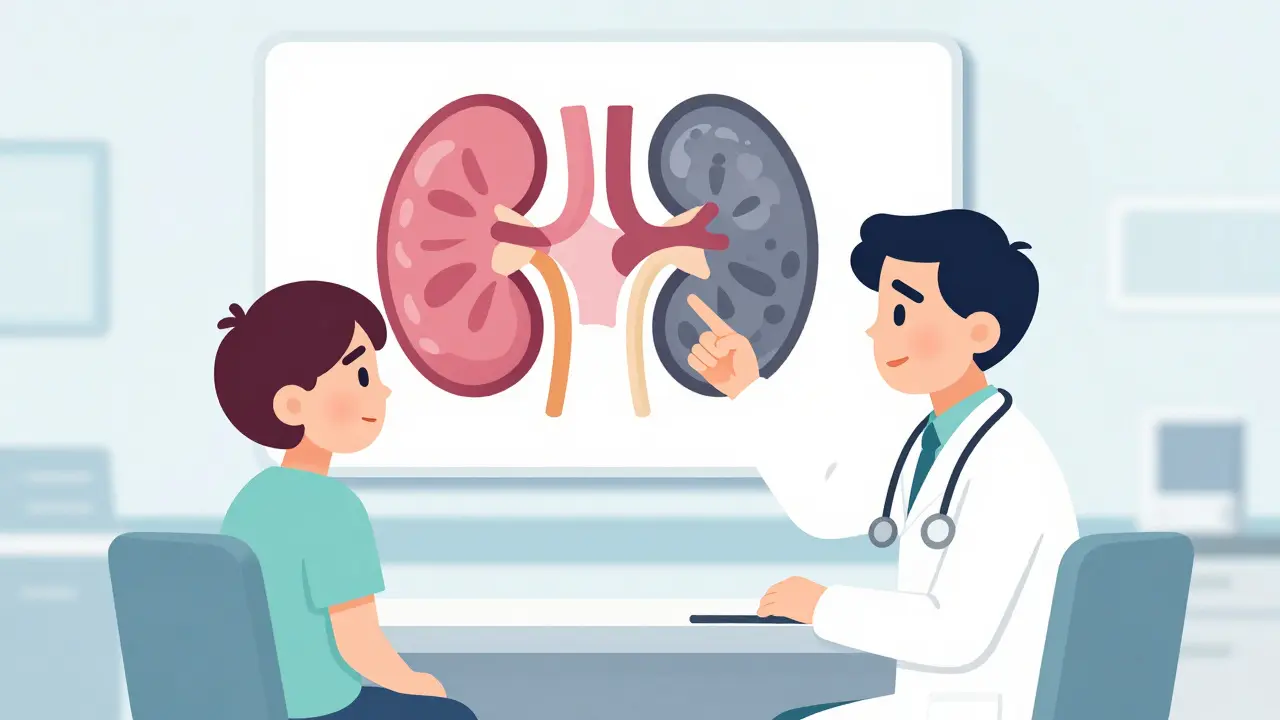
Living with Uremic Symptoms: Real-World Impact
The impact of these symptoms extends beyond physical discomfort. Patient surveys reveal that 64% of hemodialysis patients with pruritus report moderate-to-severe interference with daily activities. Sleep disruption is a major issue, with many patients reporting sleep scores dropping significantly. One patient shared that their Fitbit sleep score dropped from 85 to 42 for six months before dialysis. This fatigue affects work, relationships, and mental health.
Economic burden is also real. Patients with severe uremic pruritus incur higher annual healthcare costs due to increased hospitalizations. Delayed diagnosis is another hurdle; nearly half of CKD patients visit multiple physicians before getting the correct diagnosis. Advocating for yourself and seeking a specialist who understands uremic syndromes is crucial.
Future Directions and Hope
Research is advancing rapidly. New treatments like nemifitide, a selective kappa-opioid receptor agonist, show promise in reducing itch significantly. Future guidelines may incorporate patient-reported outcome measures (PROMs) as primary triggers for dialysis, meaning your personal experience will weigh heavily in medical decisions. Organizations like the NIH are funding research into non-opioid alternatives to improve quality of life. While uremia is a serious condition, awareness and better management tools are making it more manageable than ever.
What are the first signs of uremia?
The first signs often include persistent nausea, loss of appetite, a metallic taste in the mouth, and unexplained itching (pruritus). Fatigue and confusion may also occur as toxins build up in the bloodstream.
How do you treat uremic itching?
Treatment involves optimizing dialysis adequacy, using medications like gabapentin or difelikefalin, and maintaining skin hydration. Severe cases may require specialized prescription drugs approved for CKD-associated pruritus.
When is it time to start dialysis?
Dialysis is typically started when eGFR falls below 10.5 mL/min/1.73m² and uremic symptoms like nausea or itch become refractory to conservative management. Specific triggers include significant weight loss or fluid overload.
Can uremic symptoms go away after starting dialysis?
Yes, most patients experience significant relief from nausea and itching once dialysis begins, as the treatment removes the accumulated toxins from the blood. However, some may need additional medication for residual symptoms.
Is uremic pruritus dangerous?
While not life-threatening itself, uremic pruritus severely impacts quality of life, sleep, and mental health. It can lead to skin infections from excessive scratching and indicates underlying inflammation that needs management.